West Bengal
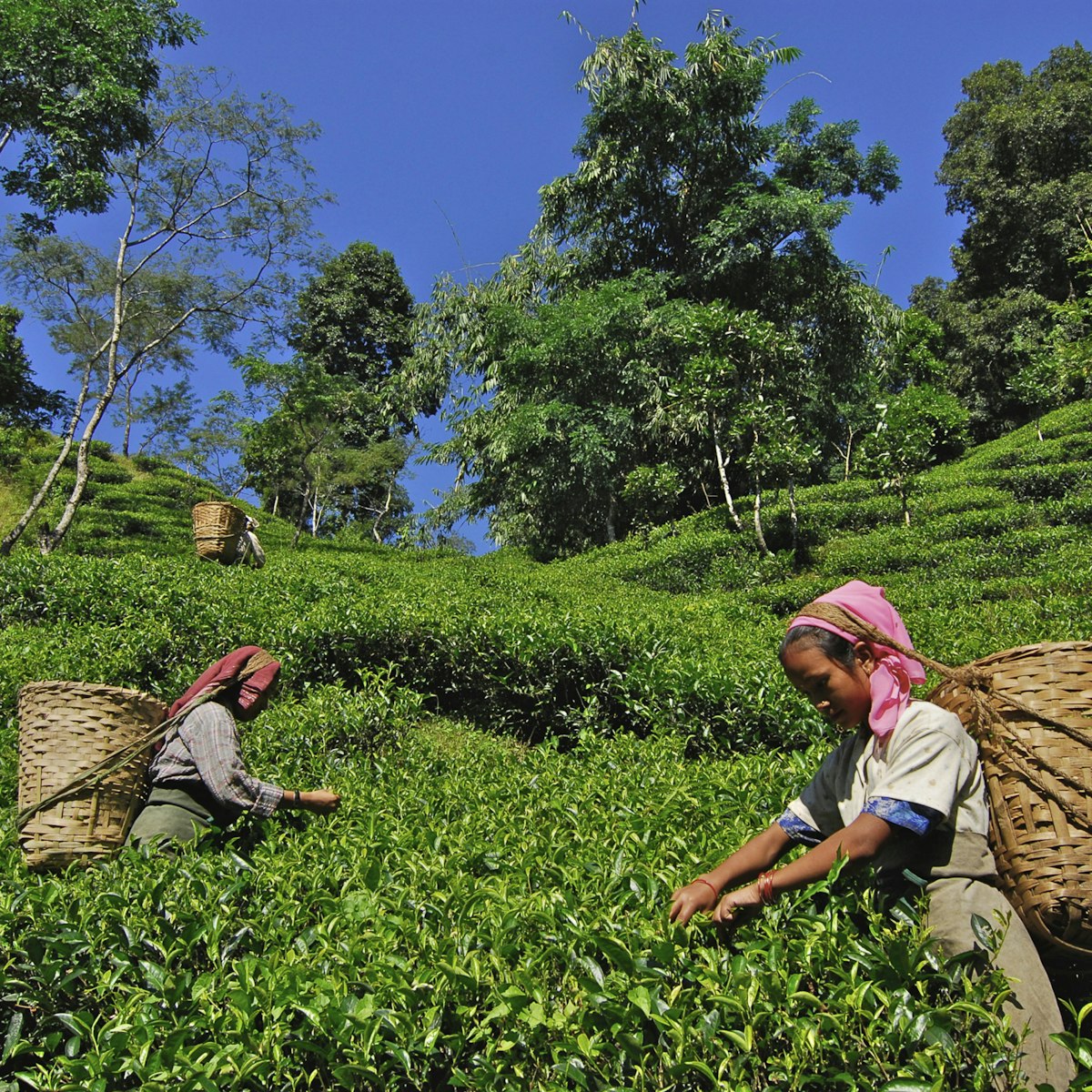
If you like tea, you should visit this celebrated organic and biodynamic Darjeeling tea estate. Walk-in visits to the processing factory, with huge…

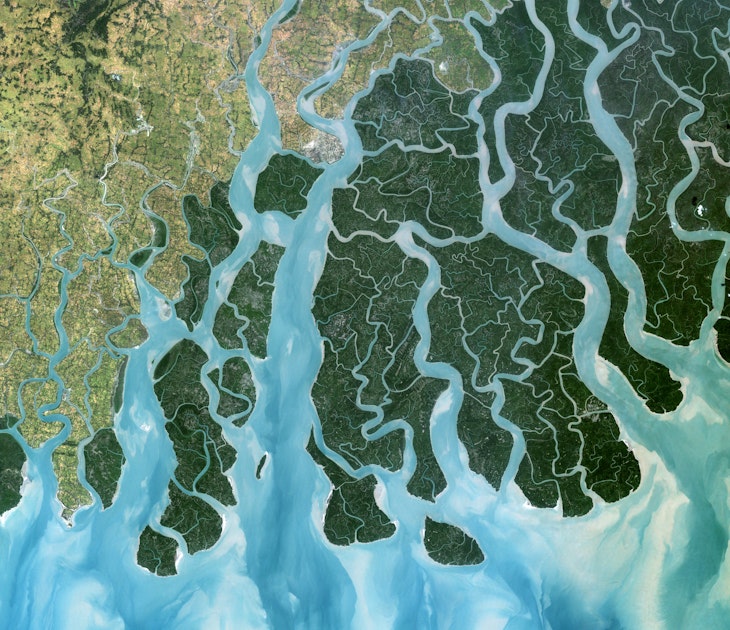
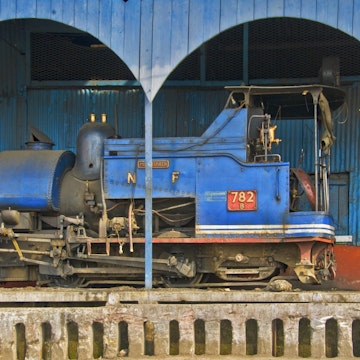
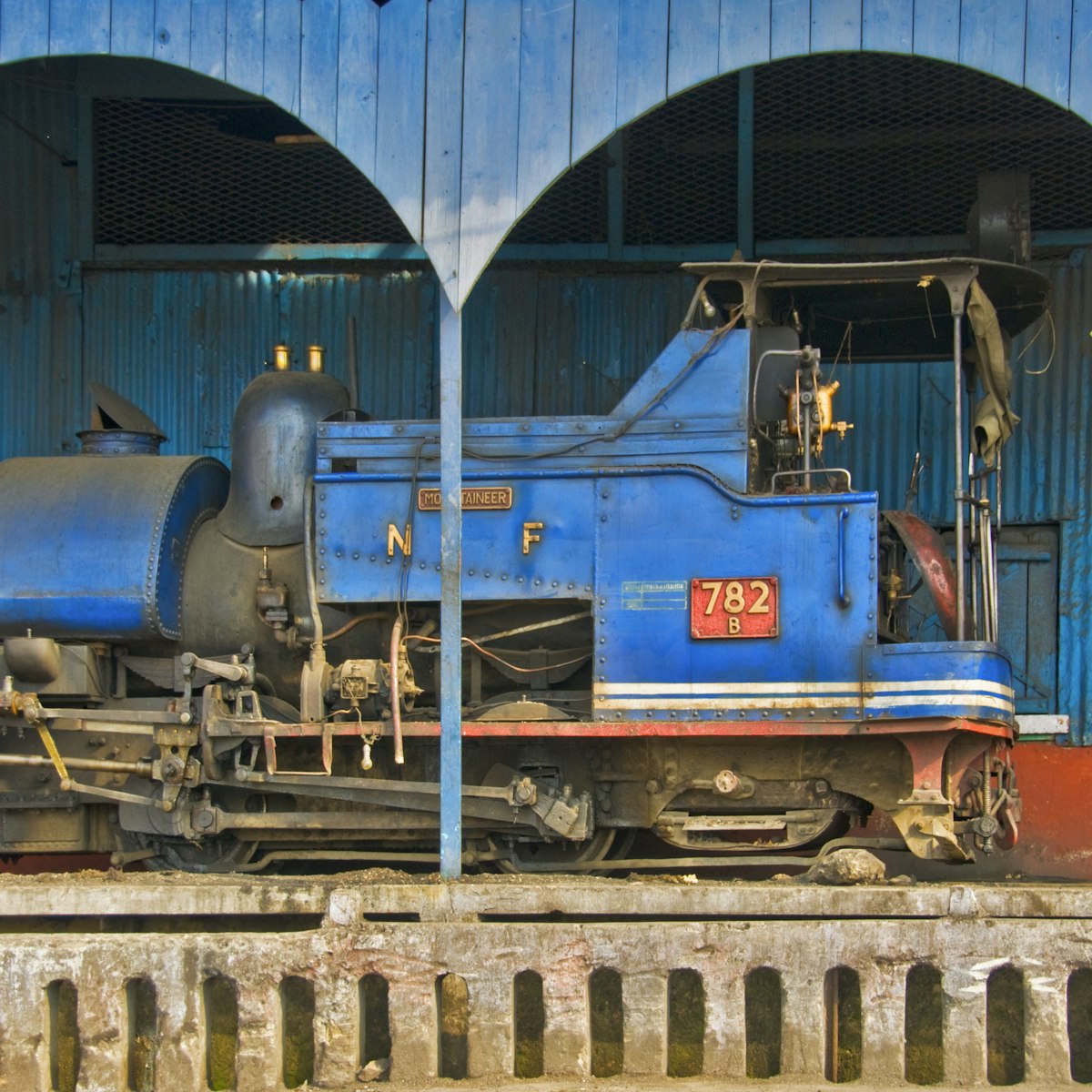
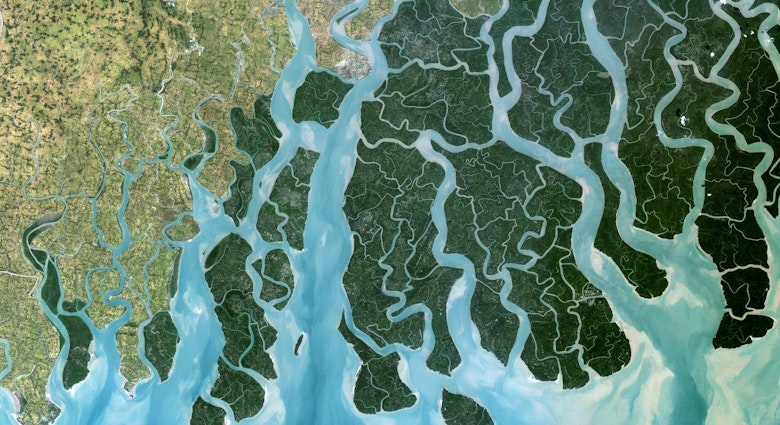
A sliver of fertile and densely populated land running from the tea-draped Himalayan foothills to the steamy mangroves of the Bay of Bengal, West Bengal presents a remarkable range of destinations and experiences within a single state. In the tropical southern areas, the wildlife-rich, mangrove-lined waterways of the Sundarbans vie for attention with Bishnupur's ornate terracotta Hindu temples and the cultured, arty vibes of Shantiniketan. Upstream from Kolkata (Calcutta) on the Hooghly River (a branch of the Ganges) you'll reach old European trading towns and three former Bengali capitals at Murshidabad, Gaur and Pandua. The cool northern hills are home not just to British colonialist hill stations like bustling Darjeeling and more laid-back Kalimpong, but also to fantastic vistas of massive Khangchendzonga, rolling green tea estates, some great hiking and the huffing and puffing 'toy trains' of the almost 140-year-old Darjeeling Himalayan Railway.
Experience the real West Bengal. Let a local expert handle the planning for you.
Get startedWest Bengal
If you like tea, you should visit this celebrated organic and biodynamic Darjeeling tea estate. Walk-in visits to the processing factory, with huge…
Darjeeling
The Darjeeling Himalayan Railway, known affectionately as the toy train, made its first journey along its precipice-topping, 2ft-wide tracks in 1881 and…

Darjeeling
Singalila National Park covers the Indian side of the scenic Singalila Ridge, the Darjeeling region's finest trekking area, along the India–Nepal border…
West Bengal
The 2585-sq-km Sundarbans Tiger Reserve has 100-plus Royal Bengal tigers lurking in its impenetrable mangrove forests and sometimes swimming its delta…
West Bengal
Literally meaning 'house of 1000 doors', the Hazarduari was built in very English Neoclassical style for Nawab Nazim Humayun Jah in 1829–37. Not all of…
Shantiniketan
Ranged around tree-lined avenues, gravelled courtyards and exotic gardens, the Uttarayan Complex, in the heart of the Visva-Bharati campus, includes five…
West Bengal
The large, beautiful Eklakhi Mausoleum at Pandua gets its name from the reputed ₹1 lakh (₹100,000) cost of building it back in 1431. It's a domed brick…
West Bengal
The vast Adina Masjid, just west off NH12 (old NH34), 19km north of Malda, was India’s largest mosque when constructed by Sikandar Shah in the 14th…
Filter by interest:
Get to the heart of West Bengal with one of our in-depth, award-winning guidebooks, covering maps, itineraries, and expert guidance.