May 29, 20265 min read
Connecting to a distant home through photographyApr 22, 2026
23 MIN READ
Contributors
Contributors

Lakshmi Sharath, Akanksha Singh
There are many Indias within India. This expansive land of ancient temples and opulent palaces, forgotten cities and lost traditions, spice markets and famously spicy food is almost a world unto itself, home to a vast and vibrant diversity of peoples and cultures.
For many travelers, the third-largest country in Asia is the trip of a lifetime, but with so much to see, it can be hard to decide what to prioritize. The best things to do in India are spread over an area of 3.3 million sq km, and even with the country's excellent rail, bus and plane network, it pays to give some thought to how much of the country you plan to cover.
If you plan your travels carefully, taking advantage of overnight trains and domestic flights, you can take in everything from Mughal forts and millennia-old temples to tiger safaris, Himalayan hikes and Kerala's beaches on a single trip. However, many people prefer to focus on just one area so they can travel at a slower pace, with more time to stop and smell the incense.
To set you up with some inspiration, here is our pick of the best things to do in India.
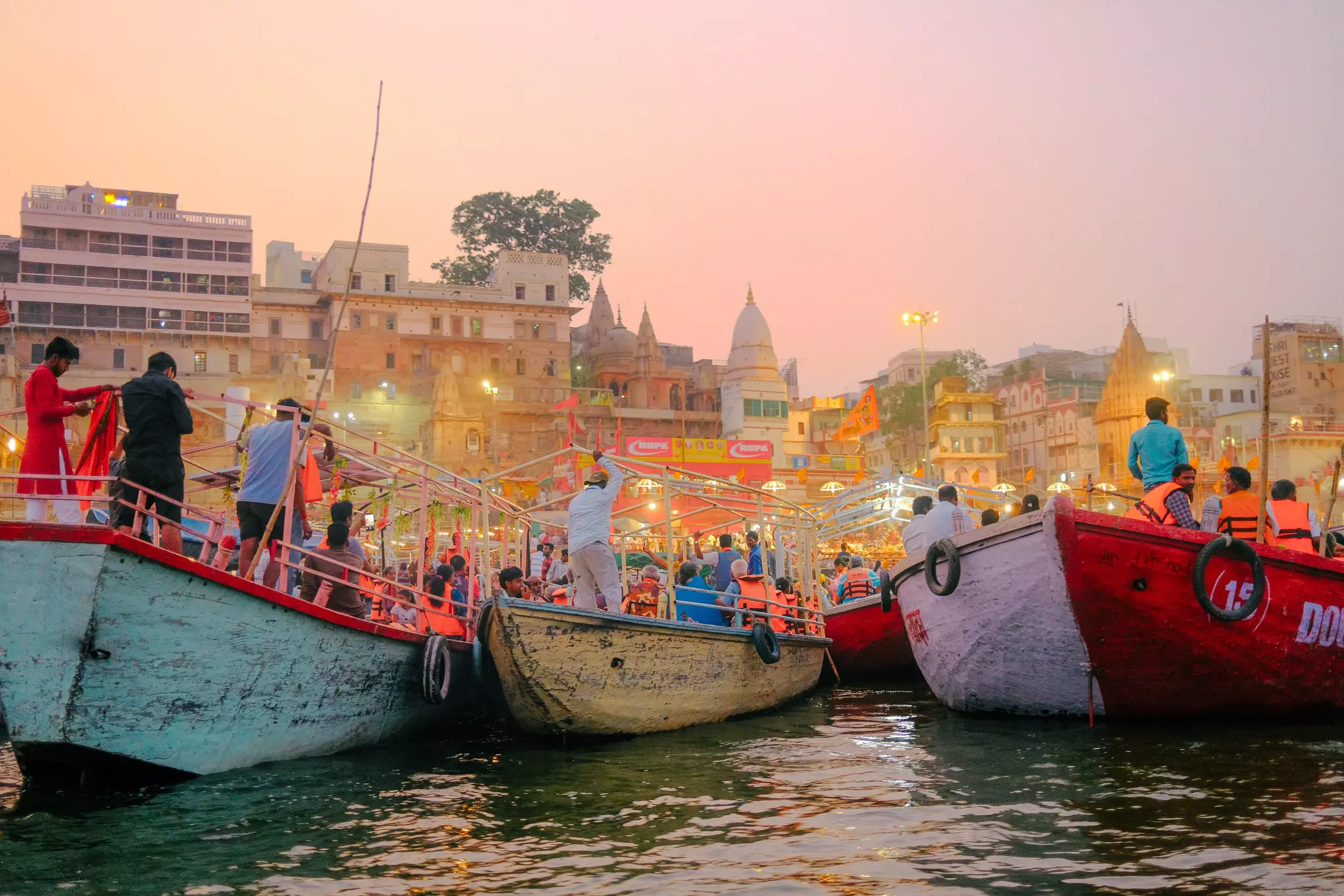
The best way to experience the timelessness of Varanasi in Uttar Pradesh – hailed as the world’s oldest continuously inhabited city – is to start just before dawn breaks. At Assi Ghat, Hindu devotees gather for the Ganga Aarti ceremony on the banks of the Ganges, intoning sacred hymns and prayers on the steps that descend to the holy river.
For maximum atmosphere, take a boat ride on the Ganges at dawn, as saffron-clad sadhus (holy men) and pilgrims gather for religious rituals, yoga practice and dips in the sacred river. Most boat trips drift past Dashashwamedh Ghat toward Manikarnika Ghat, where the funeral pyres of Hindu cremation ceremonies burn day and night. Visitors can observe from a respectful distance, but avoid taking photos or intruding on the ceremonies.
Planning tip: After a morning boat tour, seek out the typical Varanasi breakfast of kachoris (deep-fried pastries) stuffed with lentils and served with spicy potato gravy. Finish the meal on a sweet note with melt-in-mouth jalebis (fried whorls of dough soaked in syrup).
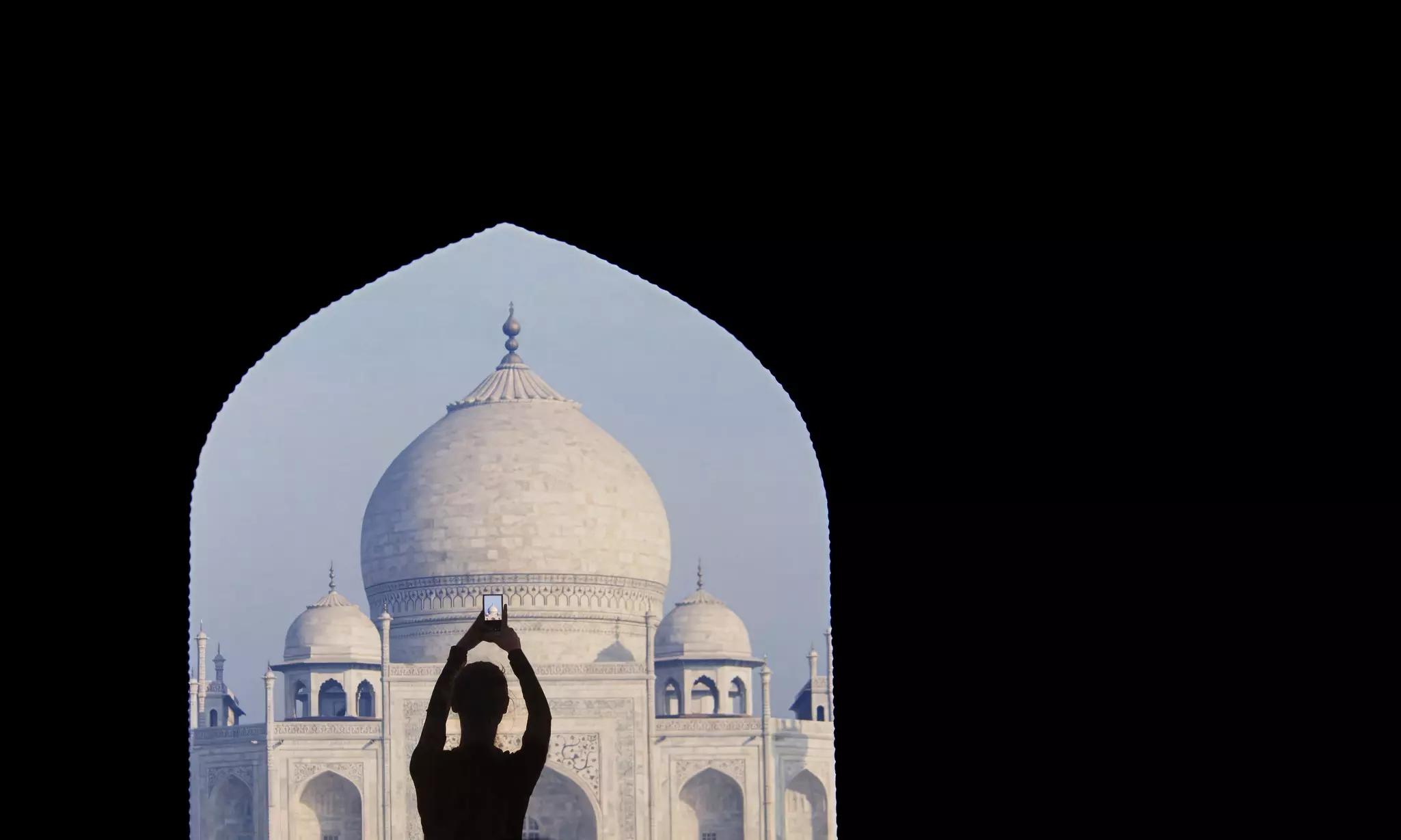
The iconic symbol of India pictured in every travel brochure, the Taj Mahal in Agra really is a highlight of any trip here. Despite the tourist crowds, it's impossible not to be amazed by this gleaming marble mausoleum built by Mughal emperor Shah Jahan for his beloved wife, Mumtaz, in the 17th century. Just a few hours from Delhi by train, Agra is an essential stop on any first trip to India.
While it’s hard to get a bad shot of the Taj, it's worth joining the queues to enter the compound at sunrise for particularly vivid shots of the dome emerging from the morning mists. For stunning photos at sunset, head across the Yamuna River to the ancient Mughal garden of Mehtab Bagh. Over the course of a day, the sun paints the marble in different hues, transforming the dome from pale pink at sunrise to bright white by mid-morning to orange at sunset.
Before leaving Agra, pay a visit to the city's fabulous fort and the eye-catching tomb of Itimad-Ud-Daulah – a precursor to the Taj Mahal, constructed in the 1620s and dubbed the “Baby Taj." It was created for Mumtaz’s grandfather, Mirza Ghiyas Beg, by his daughter, Nur Jahan.
Planning tip: Special tickets for nighttime visits are sold on evenings with a full moon. They can be bought online, or in person 24 hours in advance at the Archaeological Survey of India (ASI) offices on Mall Rd in Agra; bring your passport as ID.
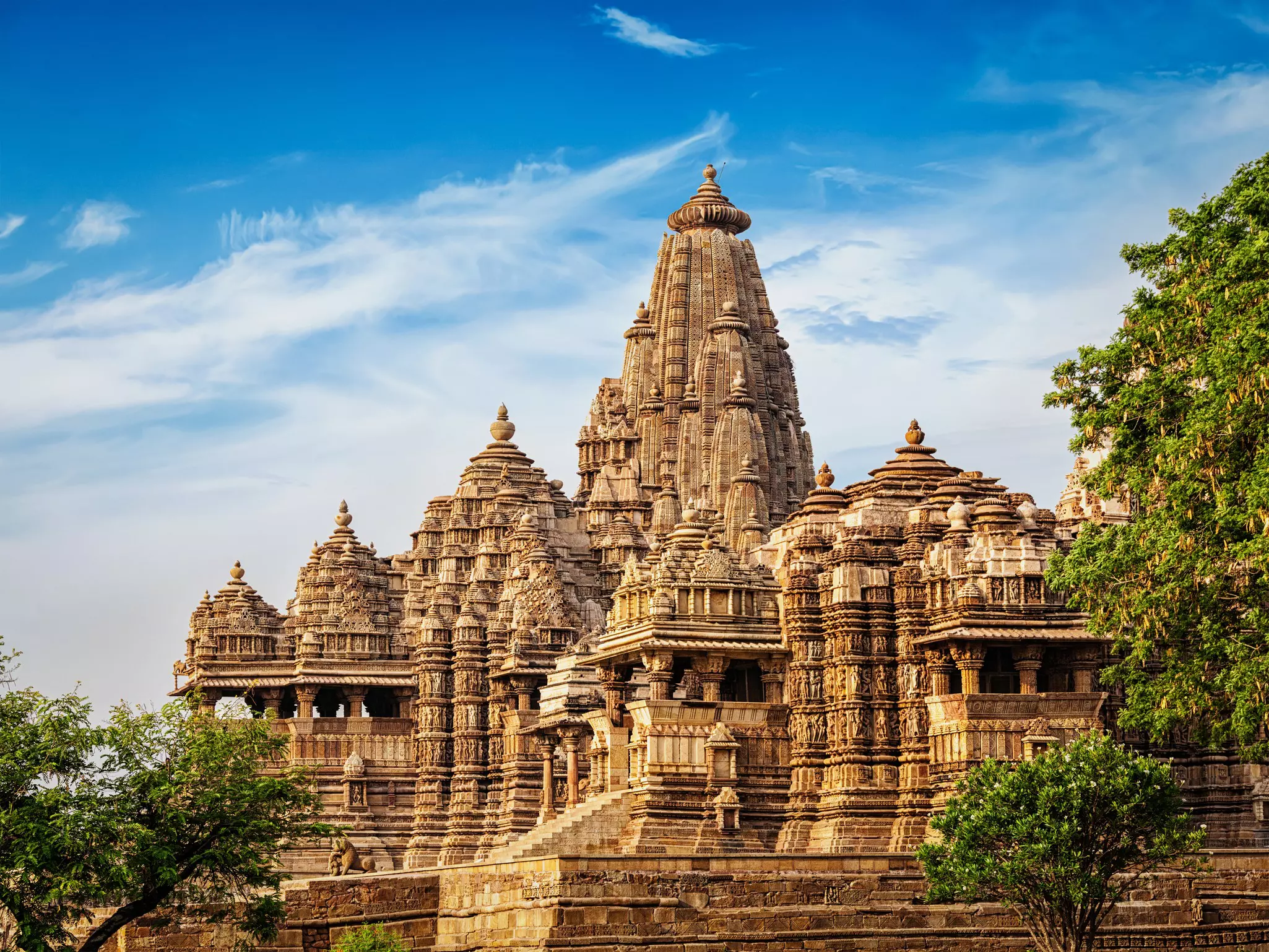
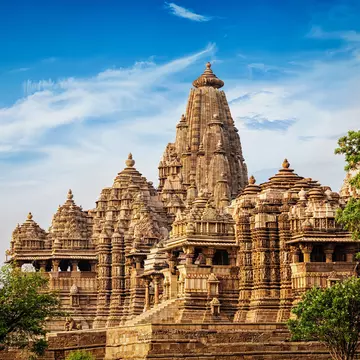
Few sights in India evoke as much wonder and curiosity as the erotic carvings on the millennia-old temples of Khajuraho in the central Indian state of Madhya Pradesh. And yet – as guides will undoubtedly tell you – barely a tenth of the carvings adorning the 22 temples that have been excavated feature the athletic sexual poses that have made the city famous.
As you explore the temples' three-dimensional narratives, you can decide for yourself why the Chandela clan chose to depict eroticism on the walls of their temples – some say it was an early form of sex education; others say it was an illustration of kama (desire), one of the goals of life in Hindu philosophy.
Planning tip: You will need a day to explore all of Khajuraho’s temples; start as early as possible before the light becomes too harsh for photography, or come in the afternoon when the warm sunlight creates evocative shadows. Staying overnight provides an opportunity to visit twice and capture the site's changing mood.
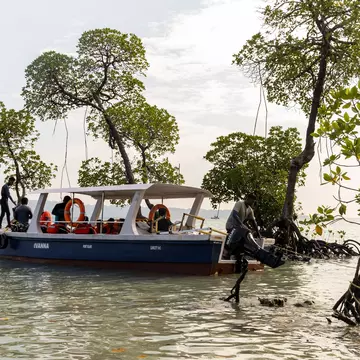
A wild and remote biodiversity hotspot, Sundarbans National Park marks the point where three mighty rivers – the Ganges, Brahmaputra and Meghna – join the Bay of Bengal, about 130km south of Kolkata. Spilling into neighboring Bangladesh, this maze of mangrove forests, swamps, mudflats and riverine islands can be explored on boat safaris, seeking sightings of the 100 or so Bengal tigers that roam its brackish channels.
With its serpentine web of mangrove roots, the dark and dense undergrowth also provides cover for crocodiles, snakes and other marshland predators. Observation towers give you a bird’s-eye view of the swamps; look out for different varieties of kingfishers, raptors and myriad water birds. Boat safaris are best arranged in advance in Kolkata or Khulna in Bangladesh.
Local tip: While many areas can only be viewed from a boat, guided village walks are possible on a handful of islands and locals will share tales of life amid devastating cyclones and treacherous wildlife in this fragile and unforgettable ecosystem.
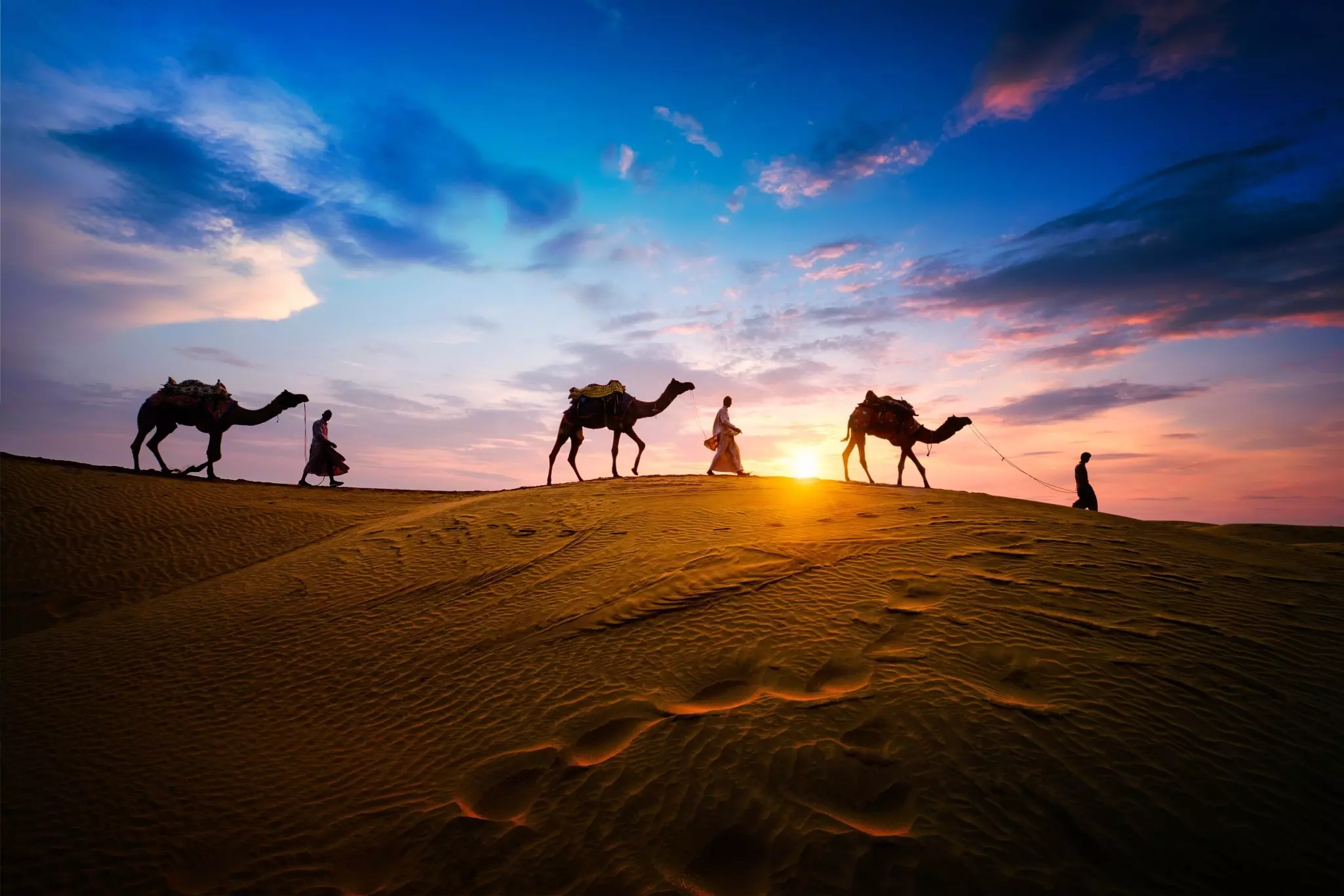
With an entire galaxy overhead to keep you entertained before bedtime, sleeping amid the rolling sand dunes and parched scrub of Rajasthan’s Thar Desert is a highly memorable experience. The state has numerous hubs for camel safaris into the desert, but perhaps the most spectacular is the fortress city of Jaisalmer.
Starting from this golden-hued city, around 560km west of Jaipur, the closest desert camps are pitched across the windswept Sam Sand Dunes, which rise to more than 50m in height. However, this area gets busy with daytrippers; the best camel safaris – known as non-touristic safaris – roam deeper into the desert, offering serene silence and genuinely dark skies, away from the crowds.
Planning tip: Before you head for the dunes, take an unmissable wander through the golden, temple-studded alleyways of majestic Jaisalmer Fort, still inhabited by around 5000 people. Carved from yellow-stone, the seven Jain temples within the fort's robust walls feature some of the finest carvings in northern India.
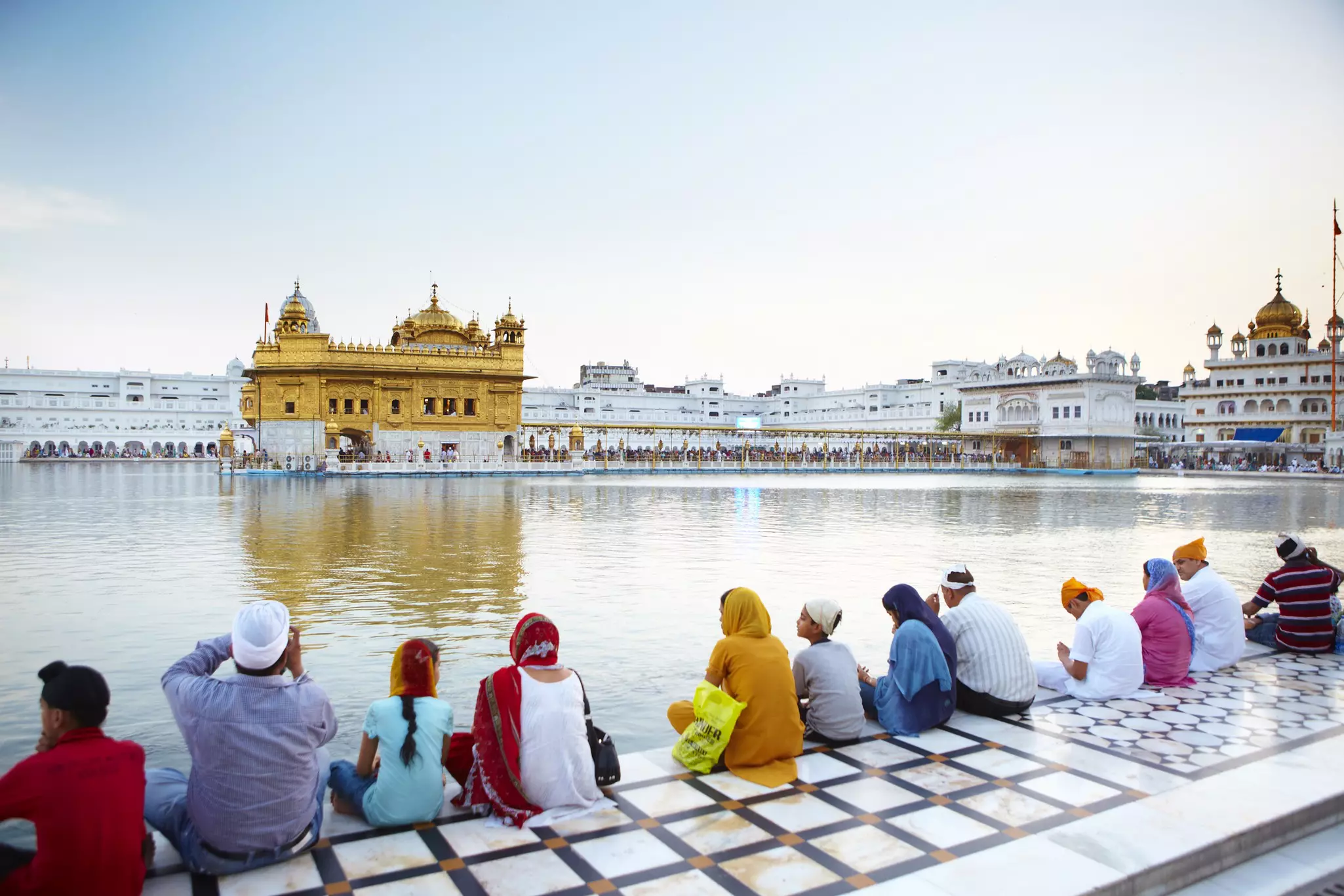
The best time to experience Amritsar’s sublime Golden Temple is just before dawn, when Sikhism's most revered scripture, the Guru Granth Sahib, is installed inside the temple for the day, accompanied by an electrifying hum of ritual chanting.
Hospitality and charity are key values for Sikhs, and this famous gurdwara (place of worship) is open to anyone of any faith. Pilgrims throng the temple as day breaks, and the entire complex is lit up as the sun hits the Harmandir Sahib, the golden central shrine, creating spectacular reflections in the pond known as the Amrit Sarovar (the Reservoir of Nectar).
Planning tip: The incredible community kitchen known as the Guru-Ka-Langar offers simple, vegetarian meals throughout the day for up to 100,000 devotees; you're welcome to join them for a free meal but a donation is appropriate.
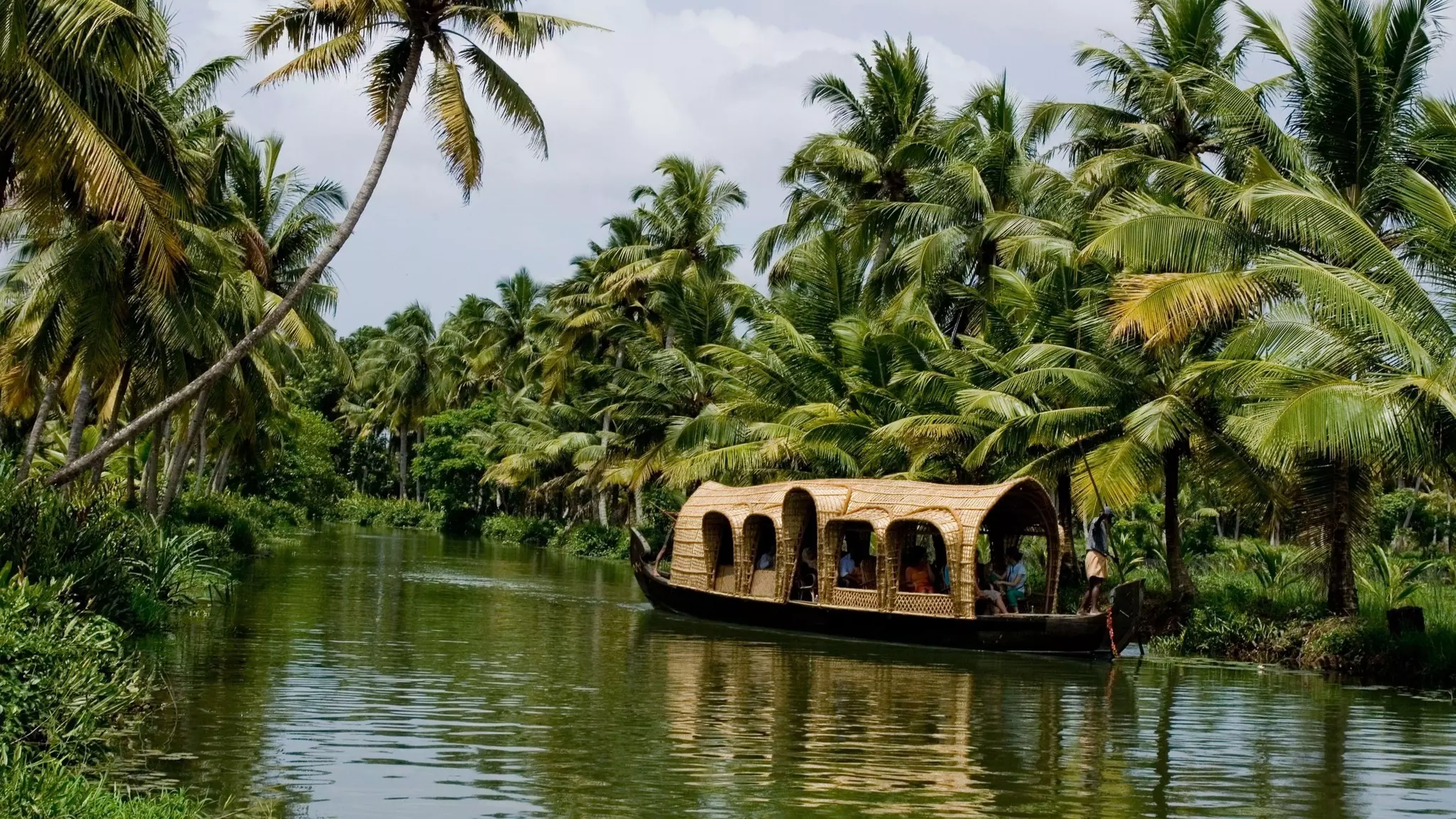
A maze of small canals, brackish lagoons and silvery rivers draining into the Arabian Sea, the backwaters of Kerala offer a completely different view of India. You can choose your own adventure as you make your way through this tangle of waterways, dropping in on communities that fish and farm along its waterlogged channels.
During an overnight cruise on a kettuvallam (houseboat), you can pass peaceful hours fishing, visiting small villages, bird watching or just sitting back to watch the world float slowly by. If your stay is too brief for an overnight boat trip, public ferries between villages offer a taste of life on the backwaters.
Planning tip: Many cruises start in Alappuzha (Alleppey), a small town on the Ernakulam–Kayamkulam coastal railway line south of Kochi, but the quality of houseboats varies – your best bet is to head to the dock and view a selection of houseboats one or two days in advance. If you’re booking online through sites such as Booking.com or Agoda, sure to read plenty of reviews before you book.

Stay connected abroad with an eSIM
Holafly eSIM provides unlimited mobile data with no hidden fees, giving you peace of mind wherever you travel. Stay connected even after your plan ends with Always On. Use code LONELYPLANET for an exclusive discount.
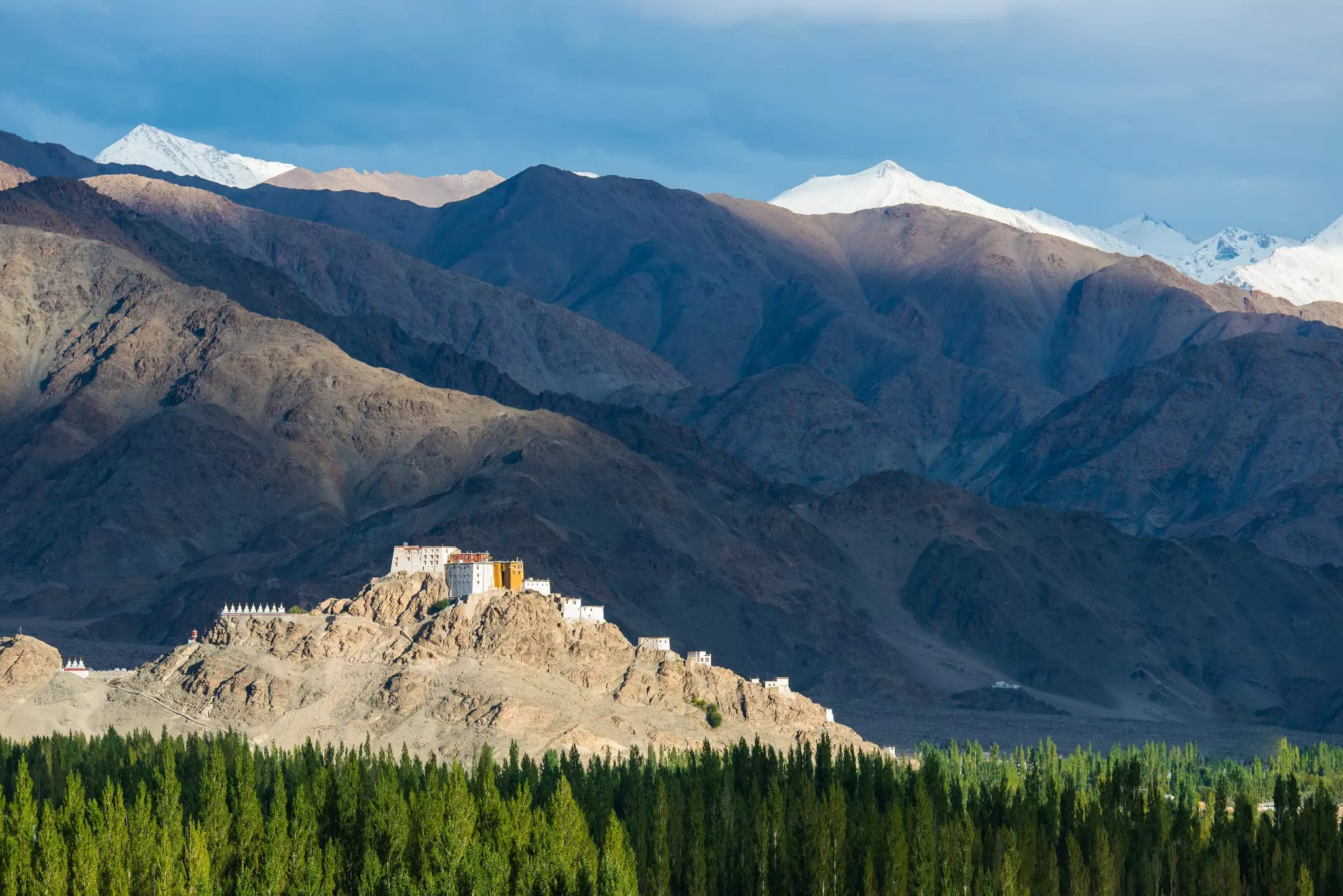
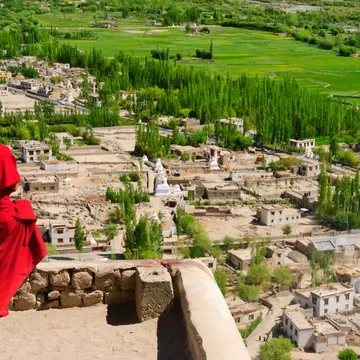
Touching the high Himalayas, the mountain valleys of Ladakh to the north of Delhi leave people breathless – both figuratively and literally. You’ll need a few days to acclimatize once you arrive in this state that was once a Buddhist kingdom, with stark and vivid landscapes rising from deep valleys to mountaintops standing more than 6000m above sea level.
Dotted with snow-dressed mountains, icy glaciers, alpine meadows, tiny orchards, arid valleys carved by meltwater rivers, and stunning high-altitude lakes, the region is a natural playground for hikers, motorcyclists and adventure enthusiasts. In winter, travelers come here for expeditions to seek snow leopards and treks along the frozen Zanskar River.
Chortens (stupas) and gompas (Tibetan Buddhist monasteries) are scattered across Ladakh's chilly deserts and visiting these sacred sites will immerse you in the traditions of Tibetan Buddhism. The region’s oldest monastery is at Alchi, but many visitors prioritize the gompas close to the capital, Leh, such as Thiksey, Stok, and Hemis.
Planning tip: Remember to cover your shoulders and legs and remove your shoes when visiting Ladakh's monasteries and refrain from taking photos inside prayer halls unless the attendants say this is permitted.
Located near the temple town of Puri in Odisha on the east coast of India, the colorful Raghurajpur Arts and Crafts Village is a living gallery maintained by local chitrakaars (folk artists). The village showcases the traditional art of pata chitra painting, paying tribute to the triad of deities enshrined within Puri's Jagannath Temple.
Each canvas is specially prepared with layers of cotton cloth, and tribal motifs, folk stories, myths and legends are the subjects of the artworks. Artists may invite you into their homes to see the murals that cover the walls, and show you examples of pata chitra, tussar silk paintings, toys and palm-leaf engravings. You can also sit in on live demonstrations or try your hand at creating your own piece of art.
Planning tip: Try to see a traditional performance of the Gotipua dance; young men from the community can be seen practicing at local gurukul (dance academies).
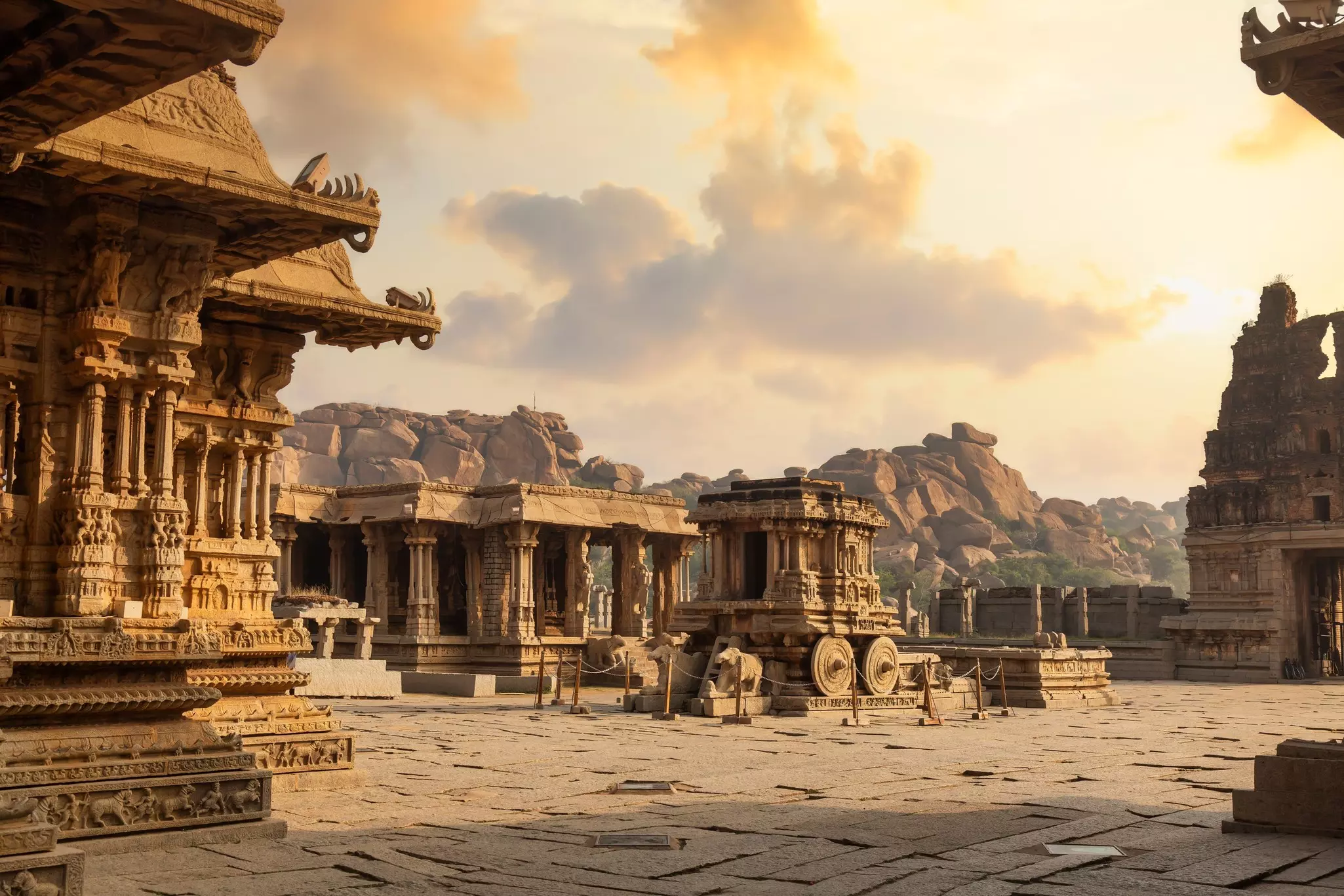
The ruins of Hampi in Karnataka formed the hub of a powerful and prosperous kingdom whose rulers built magnificent temples, palaces and monuments, and contributed immensely to the art, architecture, culture and literature of medieval India. Founded 600 years ago by two brothers, Hampi was once the capital of the Vijayanagar Empire, which ruled the Deccan Plateau of South India for centuries.
Its ancient remains sprawl for miles, centered on several important groups of monuments, including the Royal Enclosure – once home to the rulers of Vijayanagar. The still-active Virupaksha Temple is the nucleus of spiritual activity in Hampi Bazaar, the village at the heart of the ruins, but the most striking structure is the Vittala Temple, an architectural marvel featuring an elaborately carved stone chariot that is illustrated on India’s 50-rupee note.
Planning tip: The temples around Hampi Bazaar can easily be explored on foot; to explore surrounding areas, rent a bicycle or motorbike, or hire an auto-rickshaw for the day. Boatmen offer transfers by coracle at various crossing points along the Tungabhadra River.
Spilling along the west coast south of Mumbai, Goa evokes images of sun, sand and sea, and while the state's beaches are the main attraction, this small state’s riverine islands, mangrove swamps, dense forests, and spice and cashew plantations may tempt you away from the shoreline.
Cruise narrow canals bordered by mangroves to spot six varieties of kingfishers, along with myriad water birds, or hike through the forests inland to reach hidden temples. For more nature, visit Mollem National Park and Bhagwan Mahavir Wildlife Sanctuary, home to monkeys, deer, pangolins, porcupines and elusive tigers, leopards and wild dogs, among other fauna.
Planning tip: For one of India's best natural spectacles, visit the mighty Dudhsagar Falls inland from Margao – it's especially impressive just after the monsoon, when the cascades are at full force. Trains from Vasco de Gama and Margao via Kulem pass right in front of the falls.
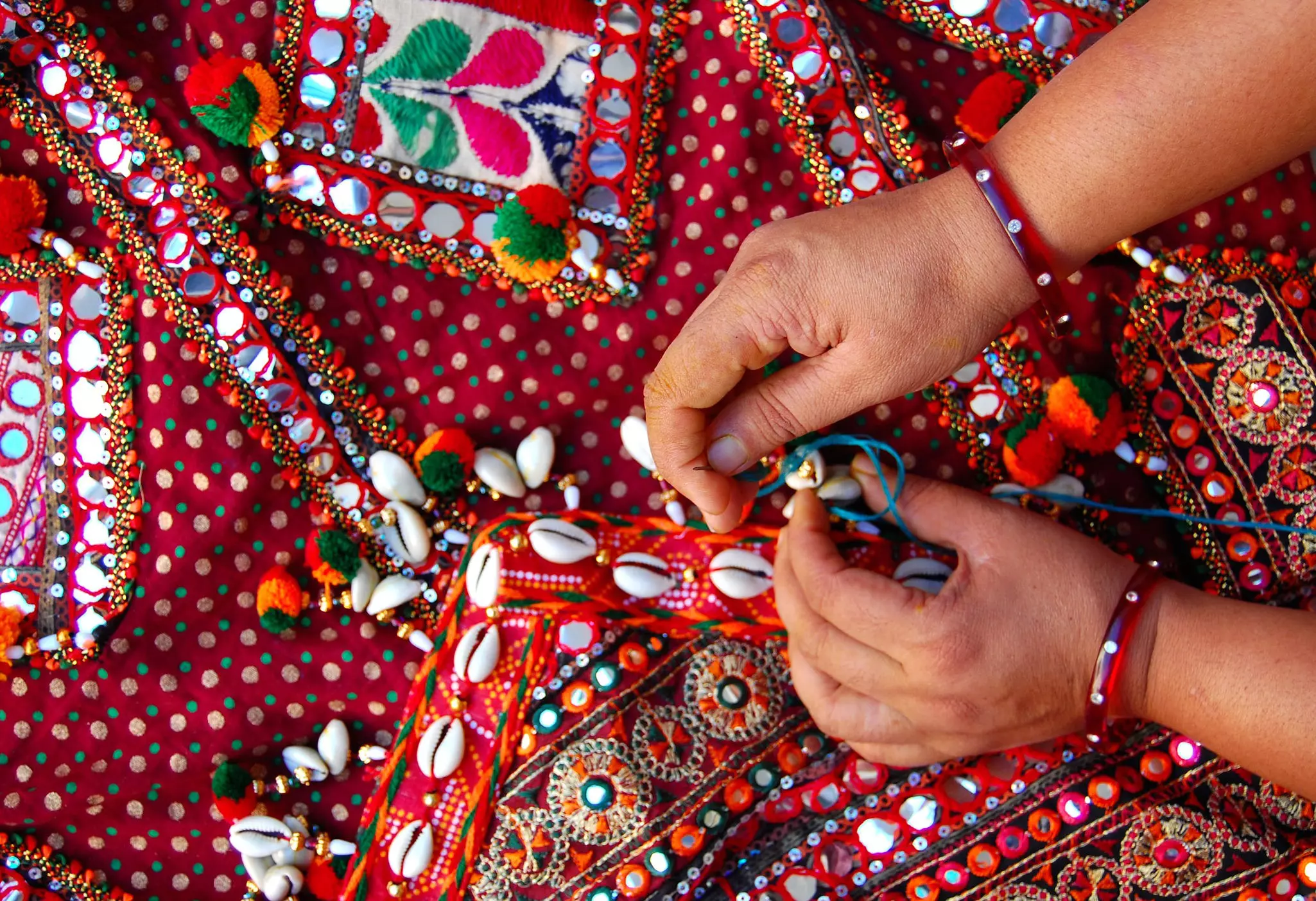
Be sure to pack your sunglasses – the sparkling sodium chloride crystals of the White Rann in Gujarat in the far west of India will literally dazzle you. One of the world’s largest salt deserts, the Rann of Kachchh (Kutch) is divided into the Greater and Lesser Rann (which includes the White Rann), creating a unique ecosystem of seasonal salt marshes that are submerged during the monsoon, but dry to reveal an arid expanse of salt from October to March.
We recommend staying in Hodka or Dhordo, where resorts are composed of traditional bhungas – circular thatched mud huts that offer a welcome respite from the harsh desert heat. While you’re in the area, head to the nearby ruins of the ancient Indus Valley civilization at Dholavira to the east, and the 18th-century Aaina Mahal Palace in Bhuj, to the southwest.
Planning tip: Between November and February, Gujarat Tourism hosts the annual Rann Ustav, a fascinating cultural festival celebrating the state's unique culture. Expect a flood of food and local handicraft stalls as well as Sufi devotional songs and performances by indigenous Kutchi folk musicians in traditional embroidered tribal costumes.
Dotted around the eastern part of Tamil Nadu in the far south of India, the 1200-year-old Great Living Chola Temples are true architectural marvels. Each of these imposing temples near Tiruchirappalli is dedicated to a revered incarnation of the Hindu god Shiva – look out for statues of Nandi, Shiva's faithful bull vahana (mount).
The grandest of the Chola temples is the Brihadeeshwara Temple in the city of Thanjavur, built by King Raja Raja Chola I in the 10th century. Covered with carvings of deities, its soaring 63.4m-high tower is one of the largest spires of any Hindu temple anywhere.
Raja Raja Chola I’s son, Rajendra Chola, ambitiously set out to create an even bigger version of his father’s temple at Gangaikonda Cholapuram, but for unknown reasons, the complex was never completed. A century later, in a small town called Darasuram, the Airavateswarar Temple was erected by Raja Raja Chola II, displaying similar mastery on a smaller scale.
Planning tip: You’ll need a whole day to explore all three temples – arrange a car and driver in Tiruchirappalli. It's best to visit either early in the morning or in the evenings.
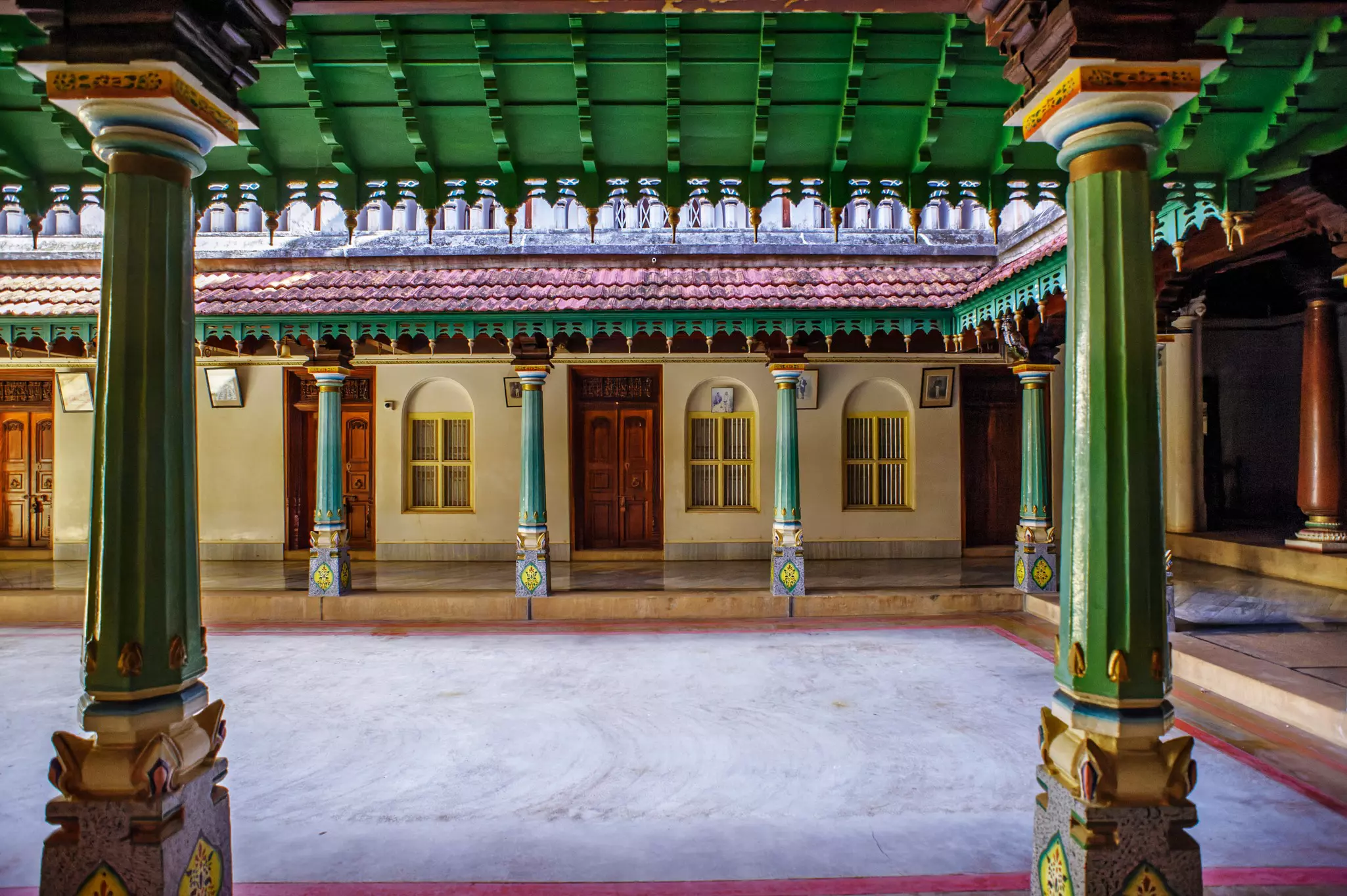
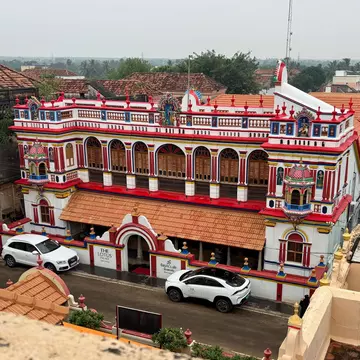
A colorful mosaic of arts, architecture, crafts, customs and cuisine, the Chettinad region spans 75 villages between Tiruchirappalli and Madurai in Tamil Nadu. This area was once home to a community of merchants called the Nagarathar Chettiars, who grew rich trading in jewelry and spices, leaving behind lavish homes as a reminder of their cosmopolitan culture and prosperity.
Known locally as nattukottai (country forts), these palatial residences can cover more than 3500 sq meters, with colorful facades featuring arches, pillars, sculptures and friezes, and interiors full of Belgian glass mirrors and chandeliers, Italian marble, Japanese artworks, Spanish tiles, Burmese teak and other luxurious components sourced from around the world.
Planning tip: Villages such as Karaikudi, Kanadukathan, Devakottai, Kothamangalam, Pallathur and Kottaiyur feature grand houses that are up to 200 years old, and some can be entered for a small fee. To explore, you can take the train to Kanadukathan or Karaikudi – hotels such as Visalam in Kanadukathan can arrange a car and driver for trips to surrounding villages.
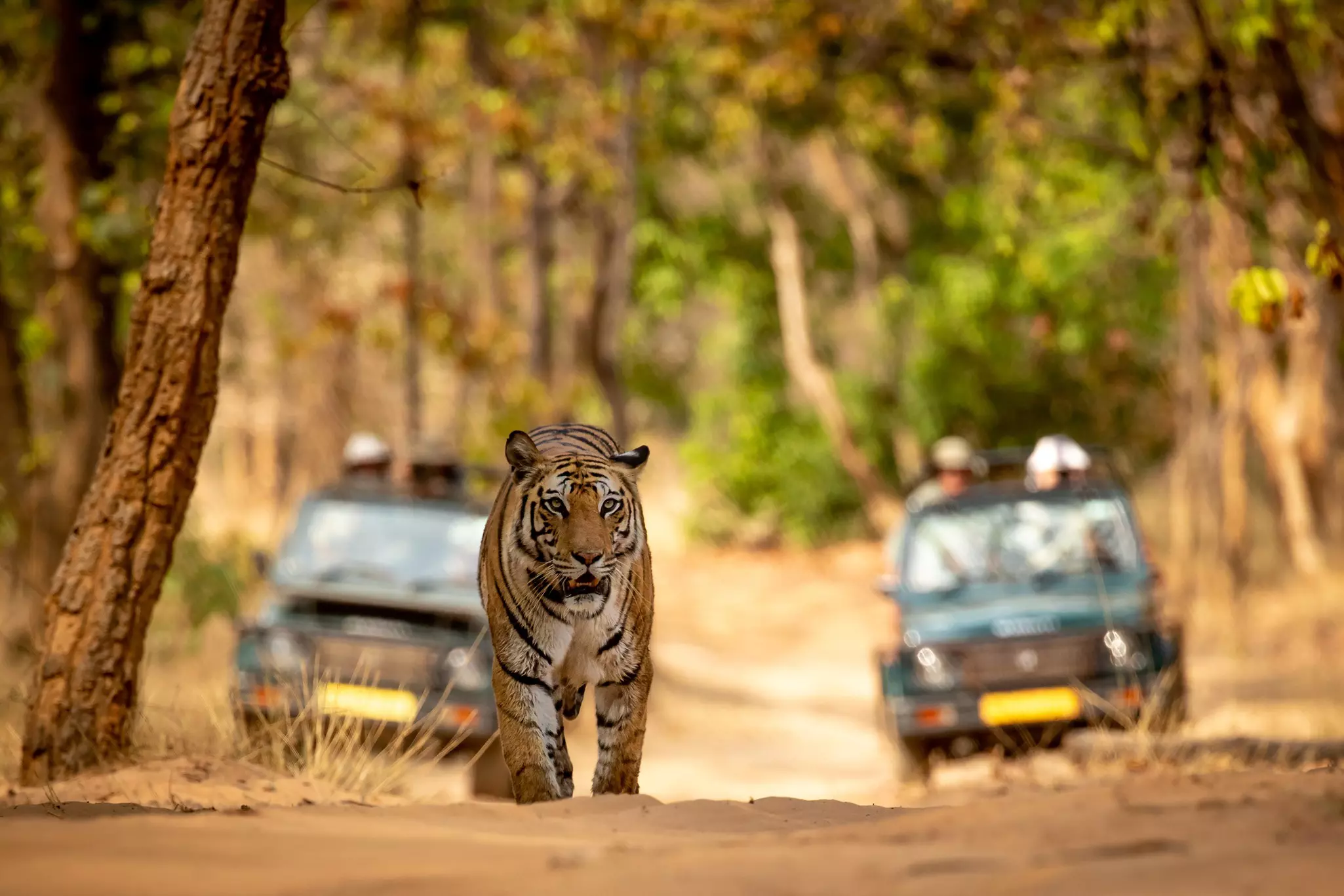
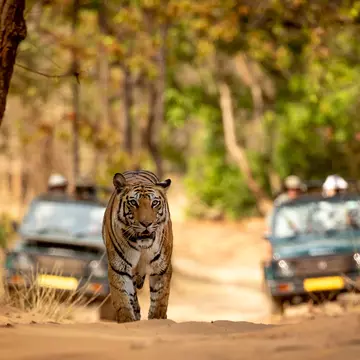
On thrilling 4WD safaris through the dense forests of India's wonderful wildlife sanctuaries and national parks, you stand a good chance of spotting India’s "Big Five" – tigers, elephants, leopards, sloth bears and gaur (Indian bison). At the very least, you are pretty much guaranteed to see deer, monkeys and myriad bird species.
There are more than 100 national parks and tiger reserves spread across the country, including venerable Corbett Tiger Reserve; Kanha, Bandhavgarh and Panna in Madhya Pradesh; Pench and Tadoba-Andhari in Maharashtra; Ranthambore in Rajasthan; Nagarhole and Bandipur in Karnataka; Mudumalai in Tamil Nadu.
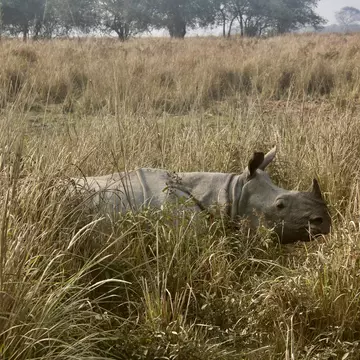
Farther afield, Kaziranga National Park in Assam is home to the critically endangered one-horned rhinoceros, while elusive snow leopards move furtively through Hemis National Park in Ladakh and Asiatic lions congregate in Gujarat’s Gir National Park. If birds are more your speed, head to the teeming marshlands of Keoladeo National Park in Rajasthan, which shelter everything from eagles to cranes and spoonbills.
Planning tip: Early-morning safaris tend to be the most rewarding, although evening safaris bring a magical light. The best time of year for spotting wildlife is from March to May – it's hot, but the dry weather brings animals out into the open. Safaris in winter also offer easy sighting, though morning trips can be chilly. Note that many national parks are closed during the summer monsoon. Some parks offer elephant safaris, but these are not recommended as carrying passengers can be harmful to elephants.
North of Kolkata, the verdant hill station of Darjeeling is an idyllic escape, towered over by snow-capped Himalayan peaks, nestled amongst rolling hills of rhododendron and pines, and overflowing with tea plantations where you can dive into India's tea culture.
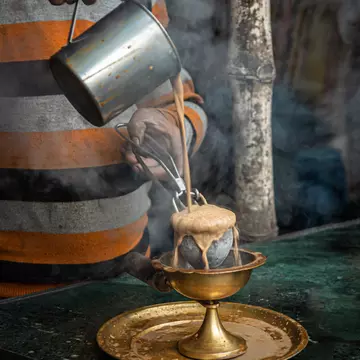
Although Indian-style chai is available across the nation, the West Bengal Hills are “orthodox” tea country – referring to loose-leaf tea that’s brewed in a teapot with hot water, unlike chai, which is made from leaves prepared through the CTC (crush, tear, curl) process. With plenty of hole-in-the-wall cafes and restaurants, and peaceful hiking trails and Buddhist monasteries to explore, Darjeeling offers a welcome change of pace from the busy plains.
Planning tip: The famous narrow-gauge Toy Train to Darjeeling runs uphill from New Jalpaiguri (NJP) station, following the UNESCO-listed Darjeeling Himalayan Railway; it's wise to book your seats in advance. The main NJP–Darjeeling service is pulled by diesel engines, so many visitors opt for steam train "joy rides" from Darjeeling to Ghum, India's highest railway station.
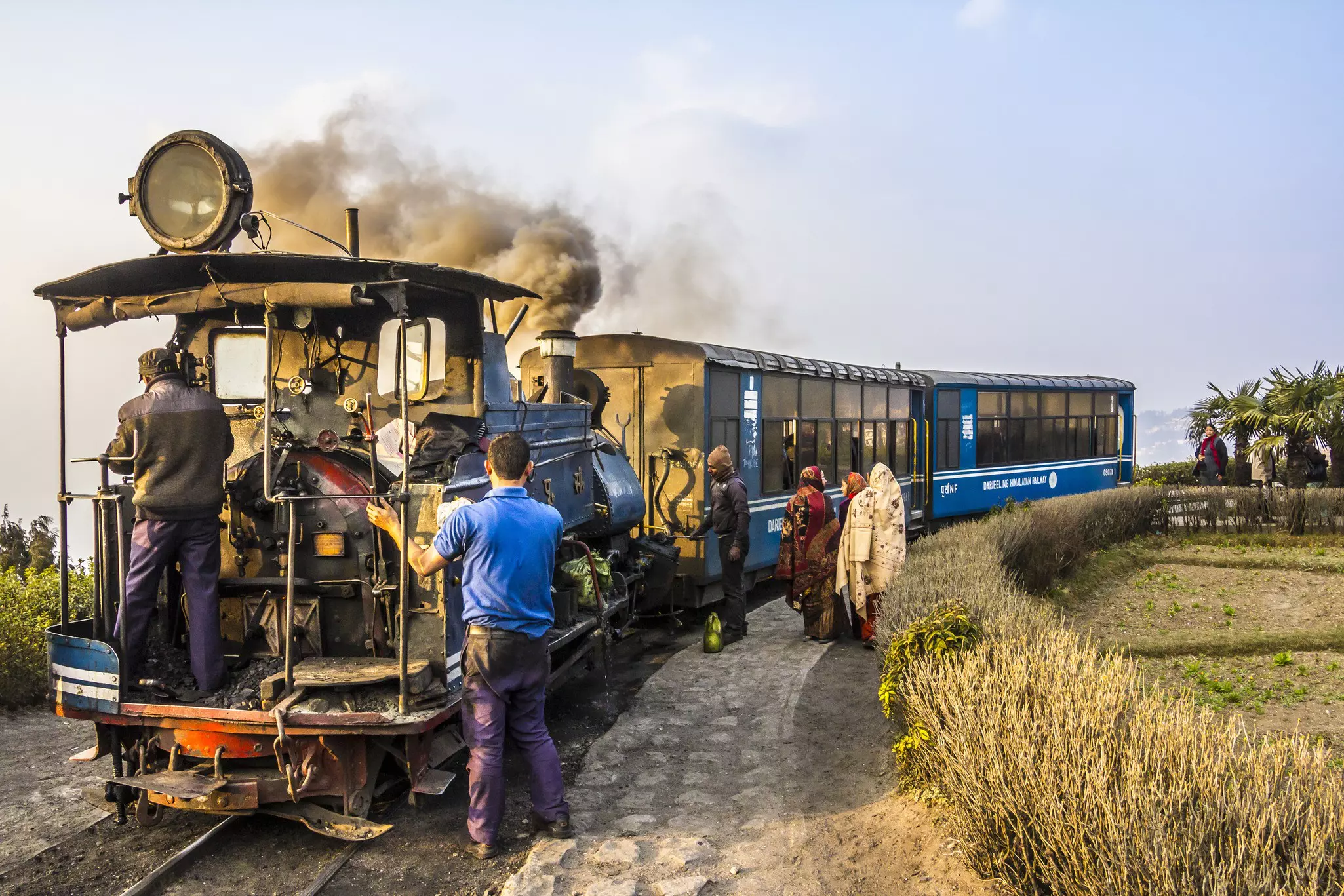
Strikingly scenic and soul-soothing, rail travel in India offers a pleasant change of pace from the vibrant but sometimes tiring cacophony of the cities, and the famous toy trains of the Himalayan foothills are just the start.
Try heading from Delhi to Rishikesh via the overnight Shatabdi express – carefully poke your head out of the window to watch the entire length of the train weaving through the countryside. Expect to be generously supplied with railway snacks – from samosas and poha (flattened rice) to full meals – and sweet milky chai, as chaiwalas saunter by with a kettle and paper cups.
If you’re looking to explore the southwest of India, several dramatic train routes connect the busy city of Mumbai with the historic port city of Kochi, whooshing past swathes of lush green countryside in the Konkan region, and offering glimpses of the sparkling Arabian Sea.
Planning tip: Seats on popular routes fill up fast, so it’s worth booking your ticket online in advance via the IRCTC website. For a bit more privacy and comfort for long overnight journeys, book a berth in an AC two-tier or three-tier carriage. If you’re keen to meet locals, opt for a Sleeper class ticket, but don’t expect to get too much sleep with the coming and going of fellow passengers.
Tucked away in the Himalayan foothills on the banks of the Ganges, the city of Rishikesh in Uttarakhand is a renowned spiritual hub, famed for its ashrams and yoga and meditation centers. Beyond the famous “Beatles Ashram” – a now-abandoned spiritual center visited by the Beatles in the 1960s – Rishikesh is also the setting for the annual International Yoga Festival in March.
All sorts of yoga courses are available here, from morning sessions at hotels to residential courses taught by both Indian and foreign teachers. Consider signing up for a course at the Sivananda Ashram, where you can learn sun salutations and other basic asanas (postures) on the riverbank. There are also women-only yoga courses available.
Planning tip: If you’re planning to visit during the International Yoga Festival, reserve accommodation and transport months ahead. Note that Rishikesh is a vegetarian city; for non-veg dishes, head to the nearby town of Haridwar.
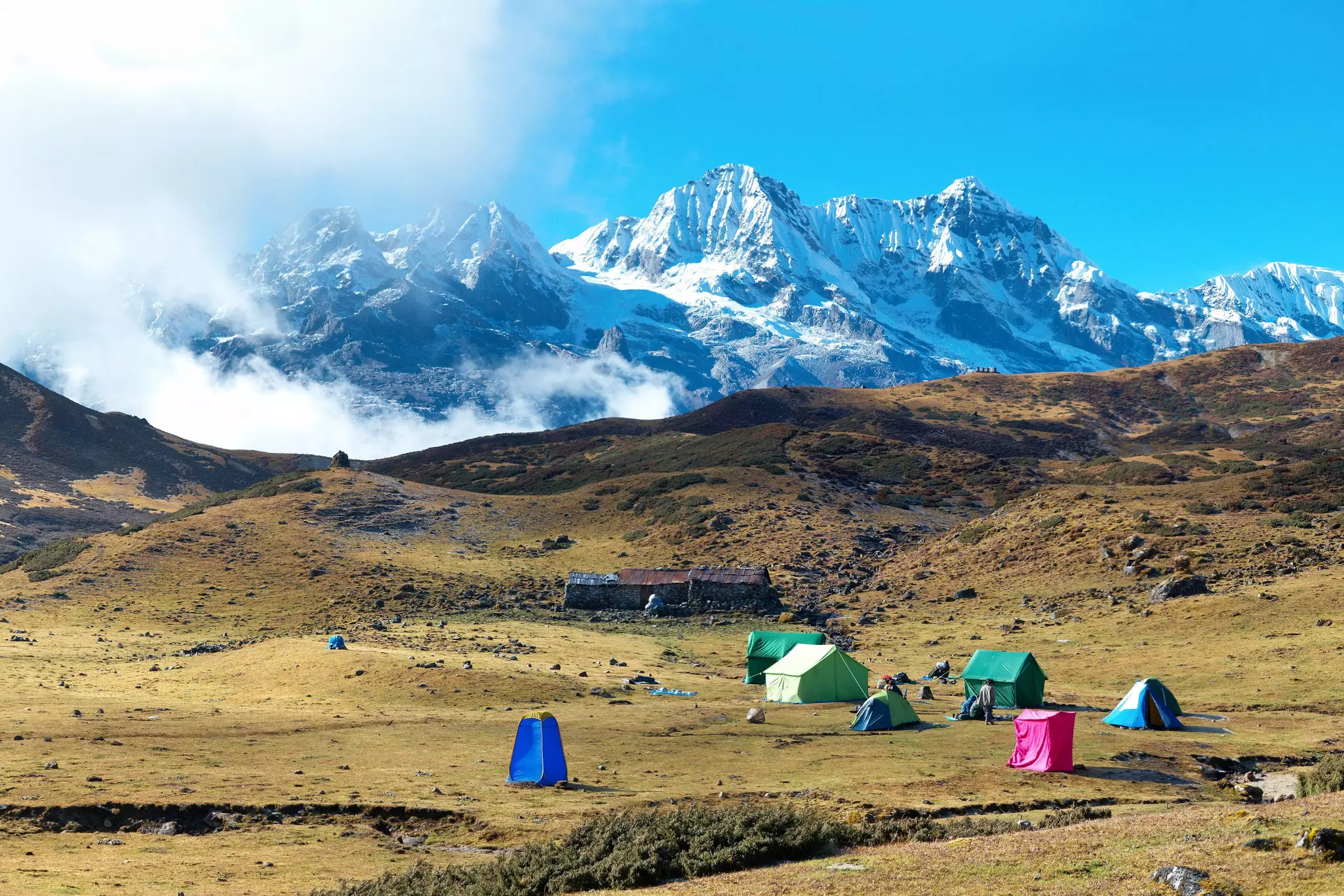
Considering the remarkable diversity of India's Northeast States, it seems almost unfair how frequently they are grouped together. India’s northeast has an offbeat experience for every traveler, from the annual Hornbill Festival in Nagaland, showcasing the state's ethnic diversity, to the unparalleled views of 8586m-high Khangchendzonga – the world’s third-highest mountain – from the trekking trails of Sikkim.
We recommend starting your tour of the region in Guwahati in Assam, spotting one-horned rhinos in Kaziranga National Park and then traveling onward to Majuli, the world’s largest river island. In Meghalaya, explore the busy markets of Shillong and loop towards the scenic town of Cherrapunji, surrounded by waterfalls and living root bridges – engineered by intertwining rubber tree roots over time.
Further northeast is magnificent Tawang Gompa in Arunachal Pradesh, and the atmospheric Ziro Valley, which offers tribal encounters and beginner-friendly treks through bamboo and pine forests.
Planning tip: Tourism to the Northeast States peaks during the spring (March to May) and during the Durga Puja festival in the fall, pushing up prices for hotels, transport and tours. For a more affordable trip, the weather during the summer months is pleasant too, except in lowland areas affected by the monsoon.
Wherever you go in India, from Kashmir in the north to the tip of Kanyakumari in the south, no trip would be complete without a visit to a local market. Take a shikara (wooden boat) to watch the chaos of the early morning floating vegetable market on Dal Lake in Srinagar in Kashmir, or go bargaining for jhumkas (earrings) in Chandni Chowk in Delhi, and you'll be immersed in colors, noise and bustle.
Markets in India are worth visiting partly because they’re authentically Indian – they’re frequented by local people year-round, regardless of whether tourists visit or not. We recommend starting off with a few of Delhi’s favorite bazaars – browse for clothes and attars (scents) in Chandni Chowk, Tibetan-style jewelry in Majnu-ka-Tila, and spices in Khari Baoli, Asia's largest spice market.
Other rewarding markets include Mysore’s Devaraja Market, the street bazaars of old Jaipur, and Kolkata’s Mullick Ghat, Asia’s largest flower market. Then there's Shillong's Iewduh Market, where bamboo bows and arrows are traded as essential household commodities.
Planning tip: India's markets are famously busy and the crowds can be a little overwhelming. Be sure to keep your valuables safe, as pickpockets are common, and watch out for porters pushing cartloads of goods through the aisles.
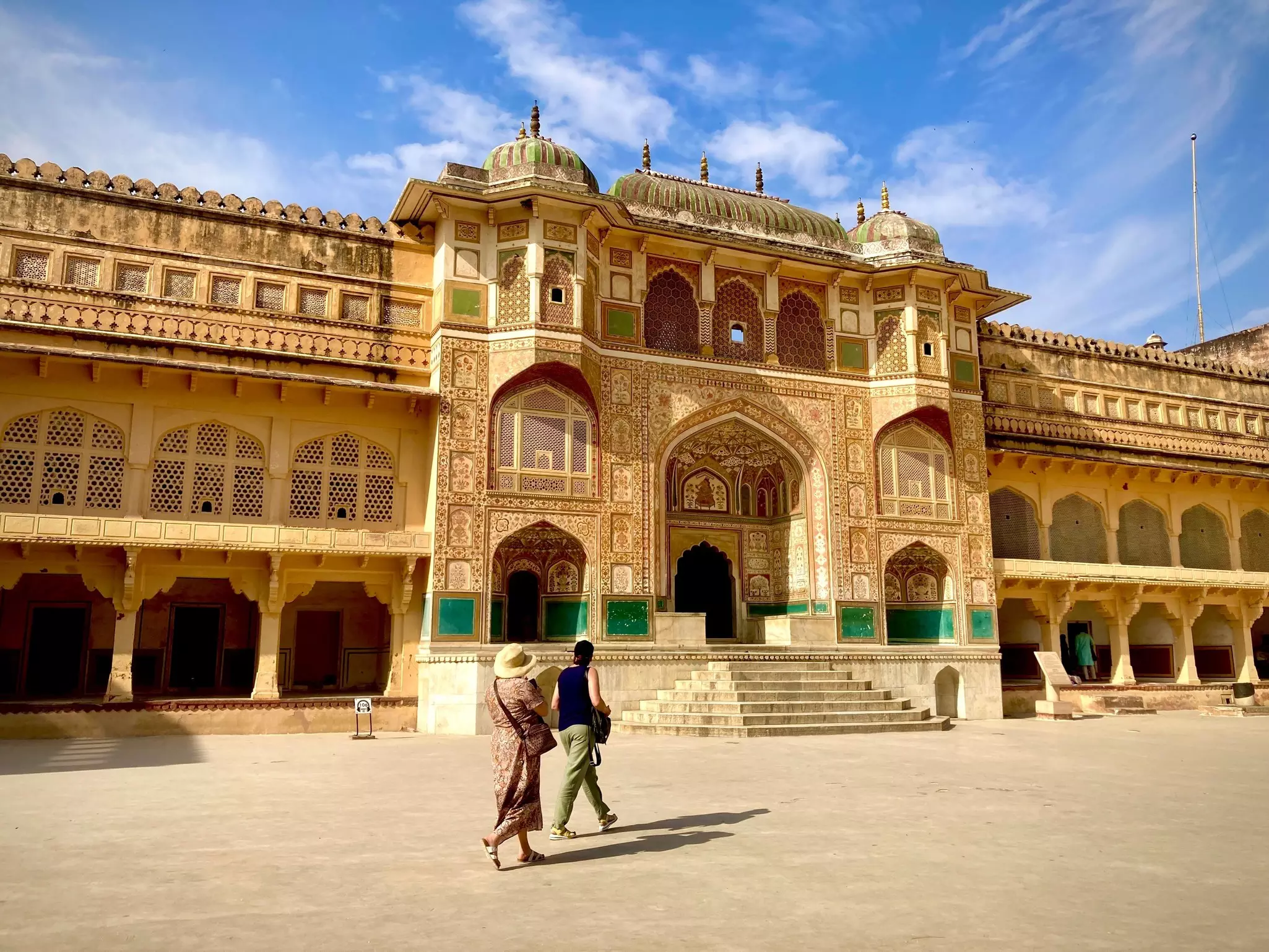
Thanks to a rich history of intertwined kingdoms and feuding dynasties, Rajasthan is home to some of India’s most spectacular forts and palaces. Over the centuries, the state's royal families competed to produce the most ostentatious architectural displays of power, and fought countless battles amongst themselves and against the Mughals and the rulers of the Delhi Sultanate.
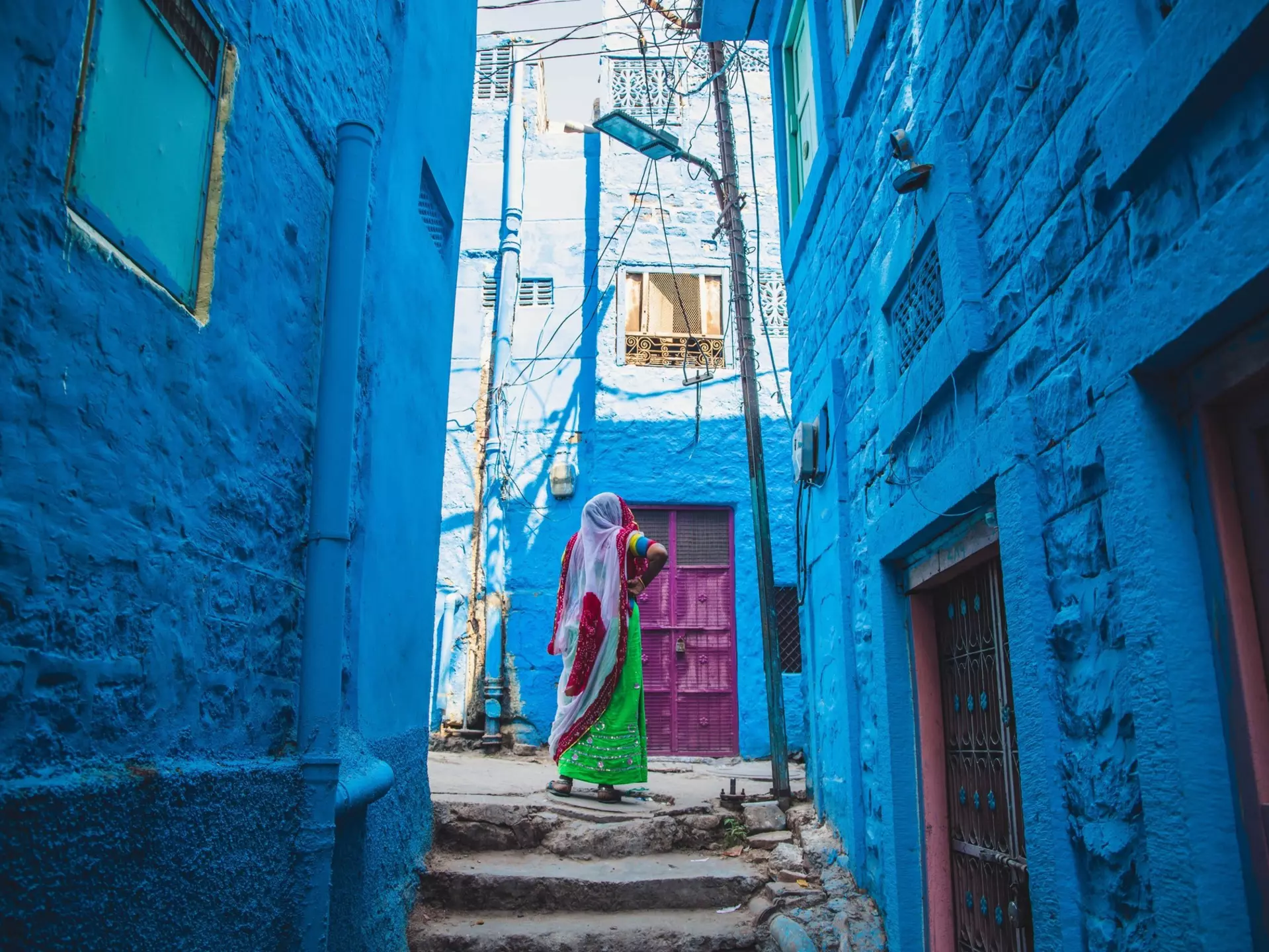
Start exploring at Amber Fort on the fringes of Jaipur, with its honeyed pink-and-yellow walls standing stark against cloudless blue skies. Inside, the palace walls are intricately painted, and the Sheesh Mahal (Mirror Palace) brings the sky indoors as reflections twinkle on its mirror mosaics.
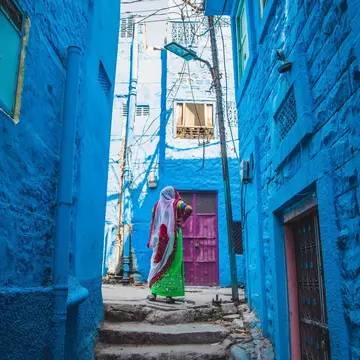
Other forts and palaces to check off your list include the Mehrangarh in the blue city of Jodhpur, the vast fort of Chittorgarh, Jaisalmer Fort, Junagarh in Bikaner, and often overlooked Kumbhalgarh in the Aravalli Hills.
Planning tip: Be aware that you'll need to pay a fee to use a camera inside most fort complexes, but you can often take snaps on your phone for free. Although many forts offer elephant rides for sightseeing, these should be avoided as they are harmful to elephants.
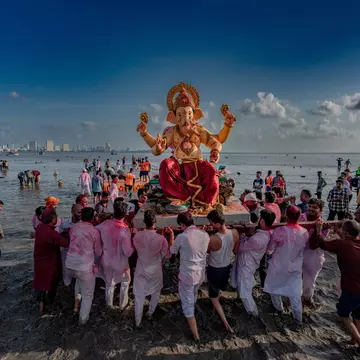
With an almost impossibly diverse population, India has religion at the core of its social fabric, and religious festivals fill the country’s calendar year-round. Celebrated enthusiastically by the majority Hindu population, Holi – the festival of colors in the spring – and Diwali – the festival of lights in October or November – are major events across the country. In the east, Durga Puja is a grand celebration of the Hindu goddess Durga every fall that brings Kolkata to a standstill.
The Muslim celebrations for Eid al-Fitr (at the end of the fasting month of Ramadan) are memorable in Delhi, Lucknow, Mumbai, Agra and Hyderabad – people break the fast with a feast at street-food stalls showcasing local delicacies such as Hyderabad's famous haleem – a nourishing stew of meat and wheat or barley.
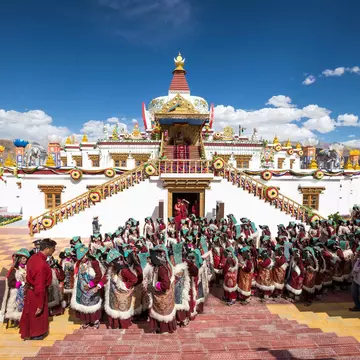
The harvest festival of Onam brings bursts of color across the southern state of Kerala in August or September. If you’re headed to Ladakh or other places with large Tibetan Buddhist populations such as Dharamshala or Arunachal Pradesh, the Tibetan New Year festival of Losar in February or March brings days of festivities, including masked Buddhist dances at monasteries.
Planning tip: Many Indian festivals follow the lunar calendar, so dates change every year. Islamic festivals move forward by 11 days each year, relative to the Gregorian calendar. Always check the dates of festivals locally to avoid missing significant events.
Take your India trip with Lonely Planet Journeys
Time to book that trip to India
Lonely Planet Journeys takes you there with fully customizable trips to top destinations – all crafted by our local experts.

Explore related stories