© EmLion / Shutterstock
Honduras
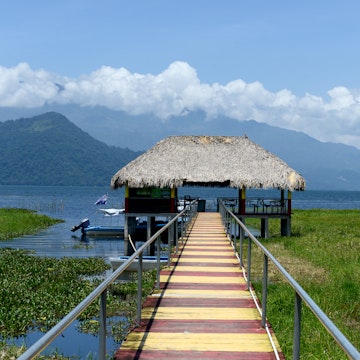
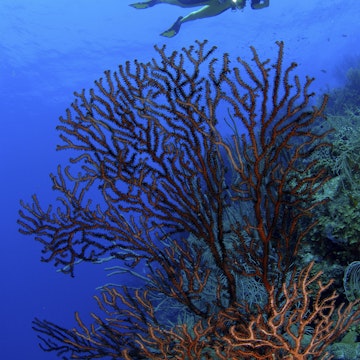
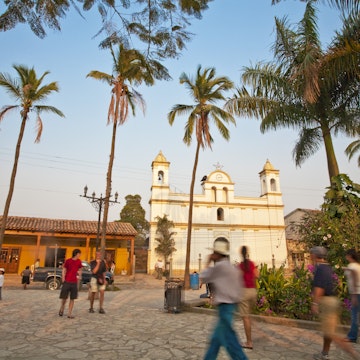
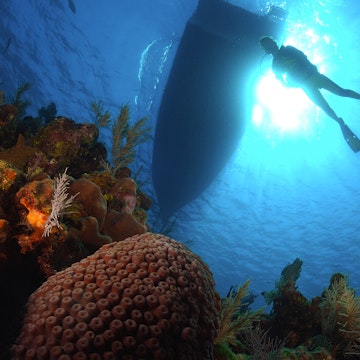
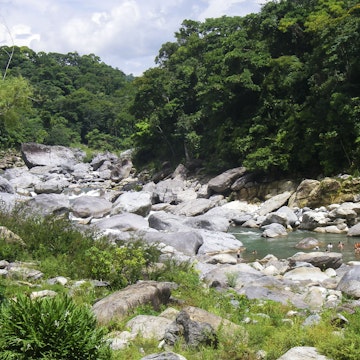
White beaches fringed by the world's second-largest barrier reef, jungle-covered mountains cut by raftable white-water rivers and home to an astounding number of bird species, exquisite Maya ruins, colonial, cobblestone villages, fresh seafood grilled on the beachâ¦Yes, all this is found in Honduras, a country often hurried through or avoided entirely due to its dangerous image.
Attractions
Must-see attractions
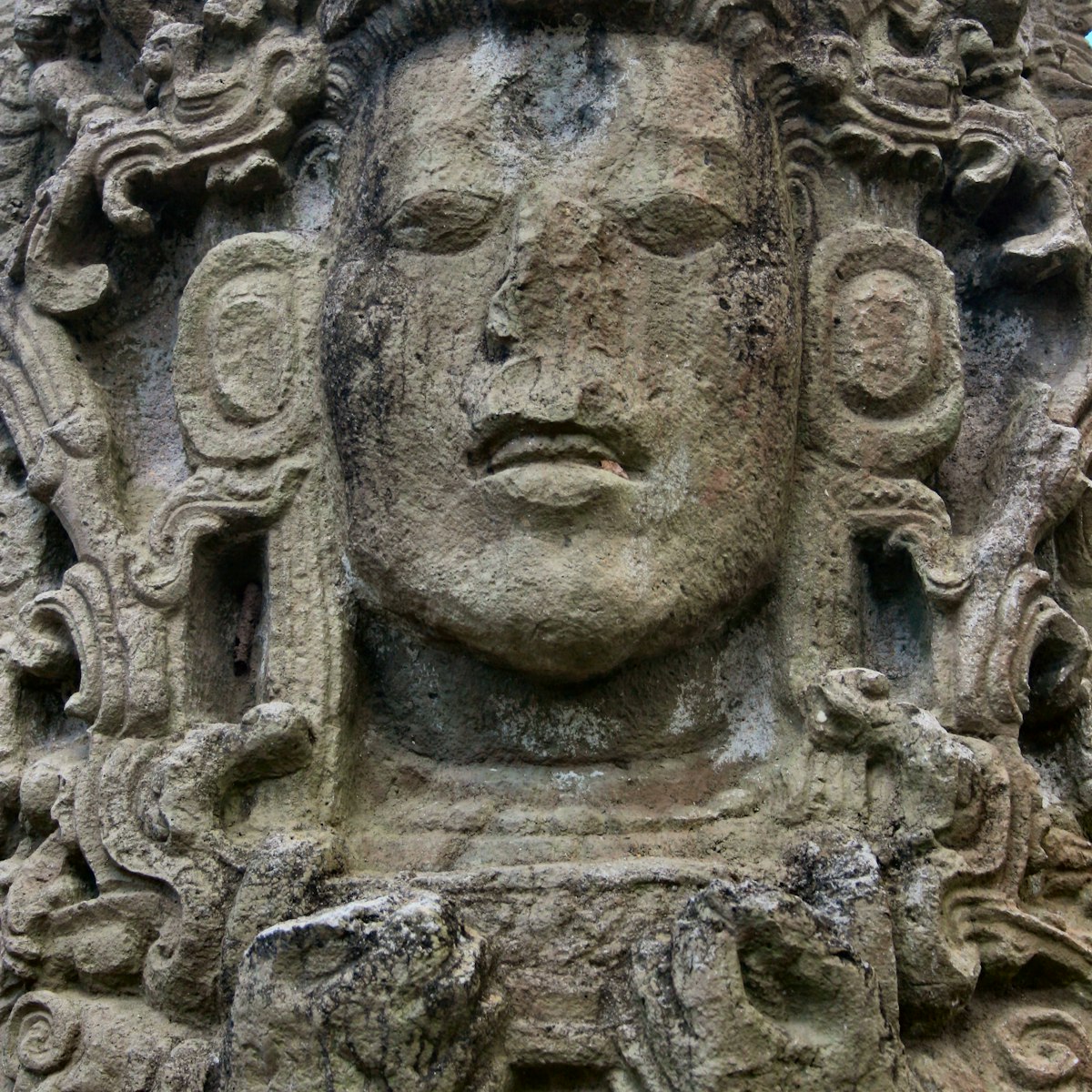
Copán Archaeological Site Ruins
Copán Ruinas
One of the most important of all Maya civilizations lived, prospered, then mysteriously crumbled around the Copán archaeological ruins, a Unesco World…
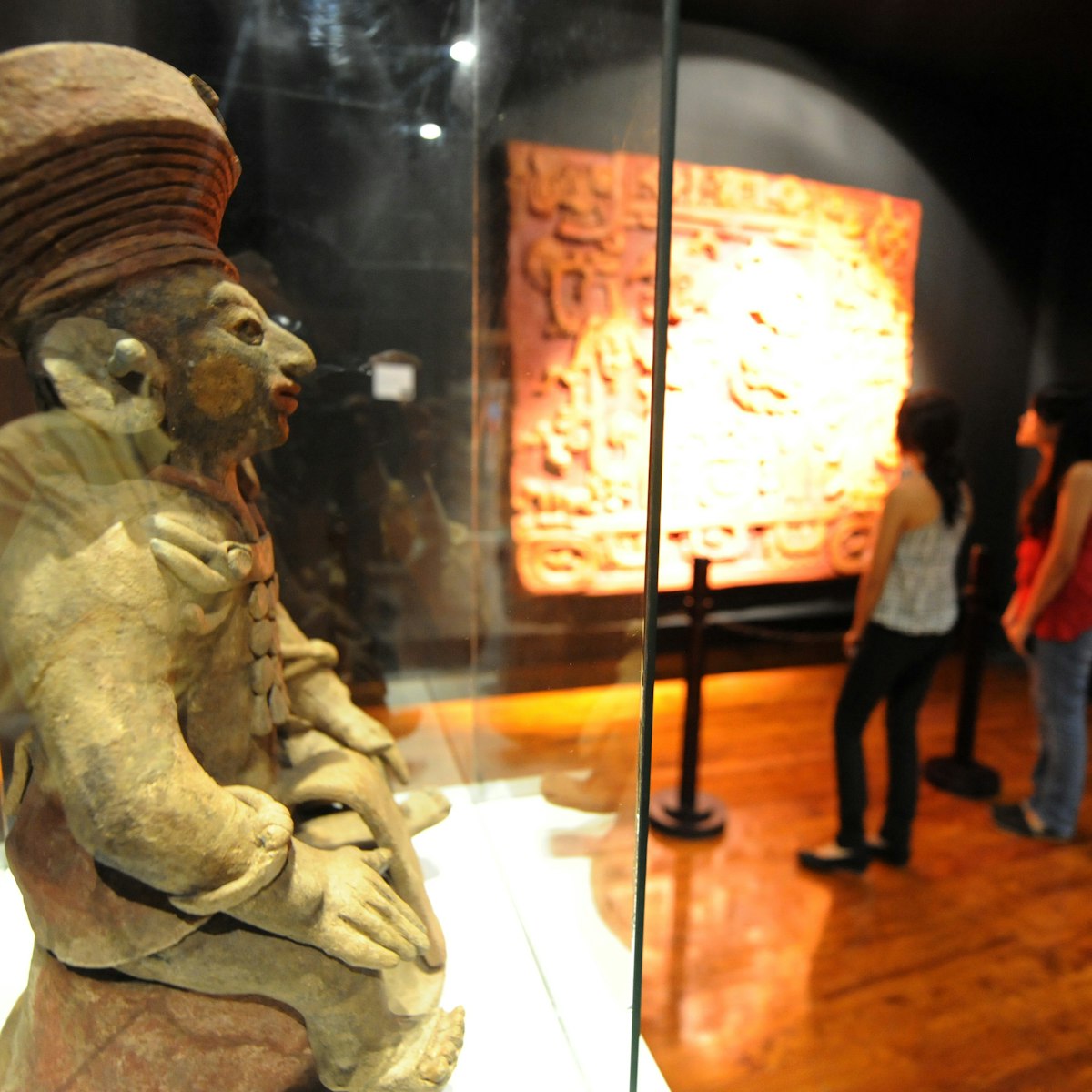
Museo para la Identidad Nacional
Tegucigalpa
If you hit only one sight in Tegus, head here. The museum is housed in the gorgeously renovated 19th-century former Palace of Ministries. It's a superb…
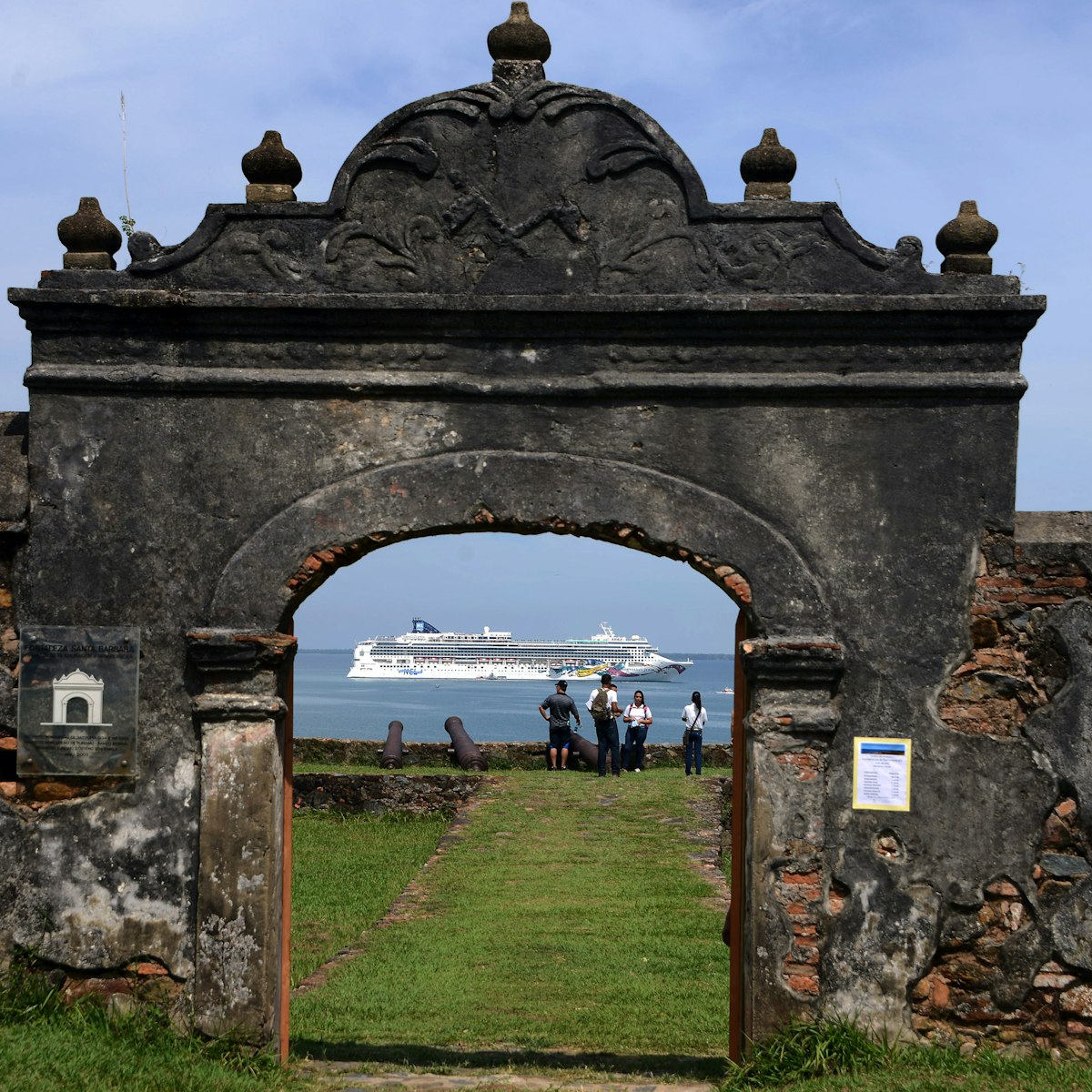
Fortaleza Santa Bárbara de Trujillo
Honduras
High above the waves, gazing over the Caribbean toward the European motherland, this 17th-century Spanish fortress could not have a more evocative…
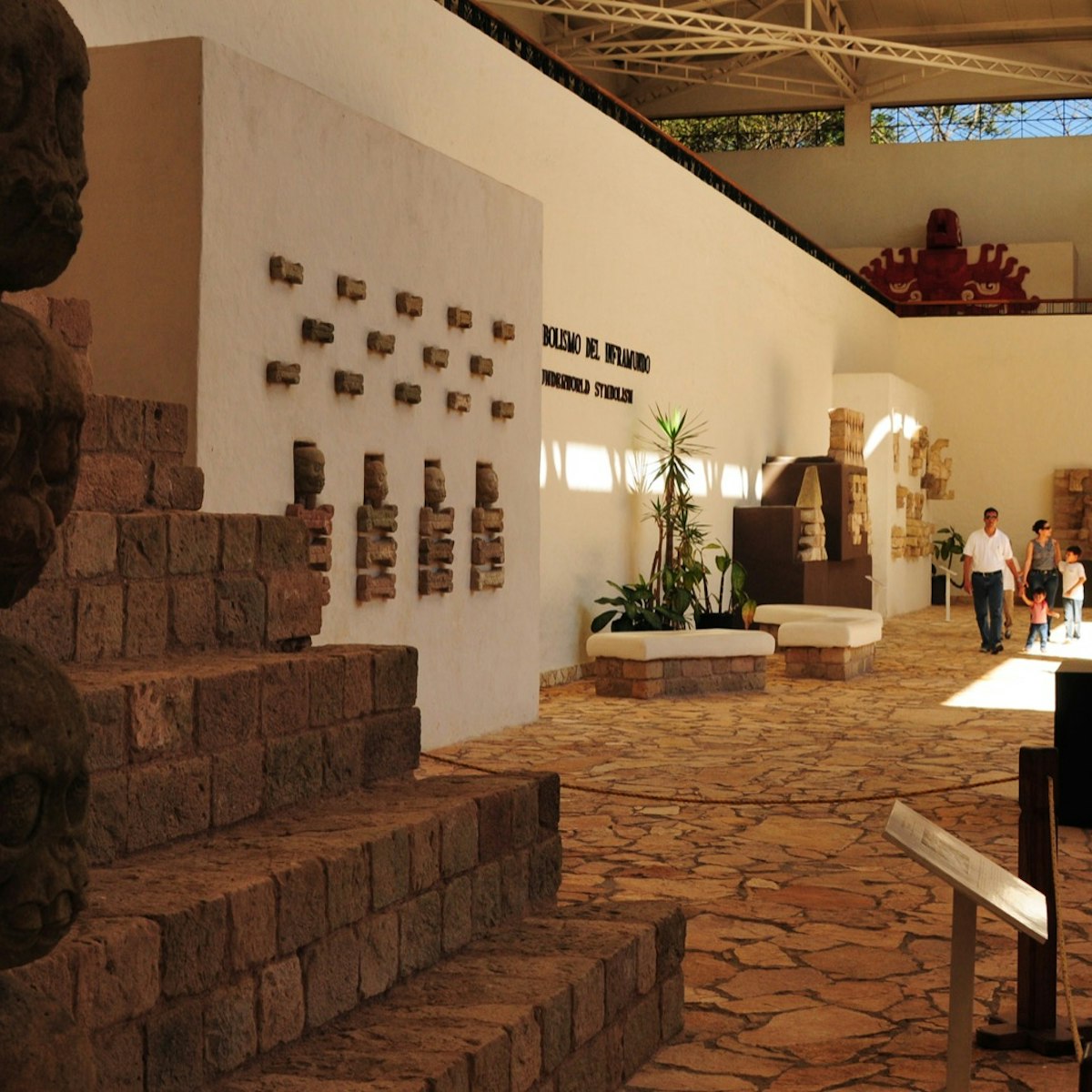
Copán Ruinas
Copán is unique in the Maya world for its sculptures and some of the finest examples are on display at this impressive museum, which is fully signed in…
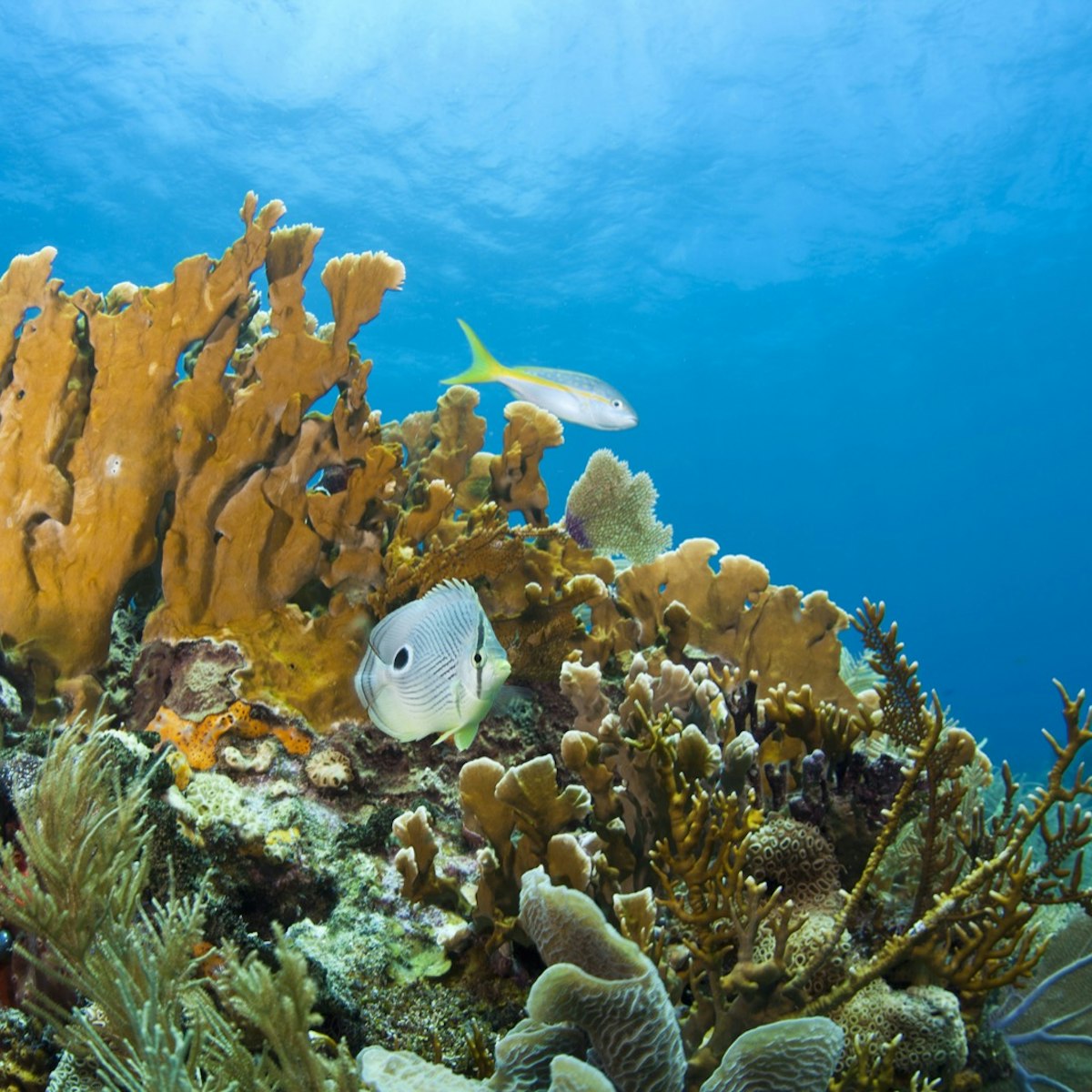
Roatán
Originally set up in 2005 with the aim of protecting the reef system around the West End and Sandy Bay, the Roatán Marine Park now covers the whole island…
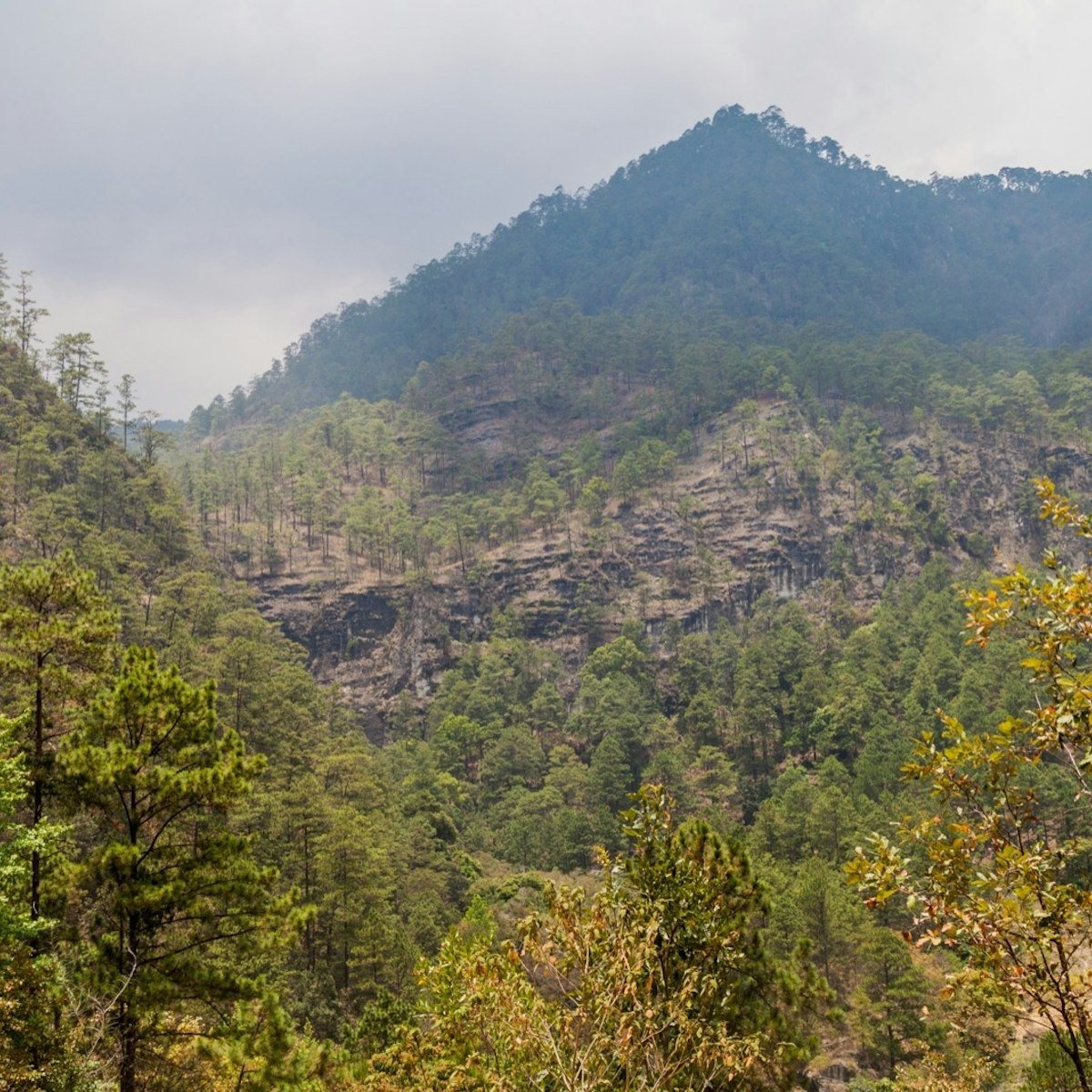
Parque Nacional Montaña de Celaque
Western Honduras
Parque Nacional Celaque is one of Honduras’ most impressive national parks and boasts El Cerro de las Minas, the country’s highest peak (2849m), which is…
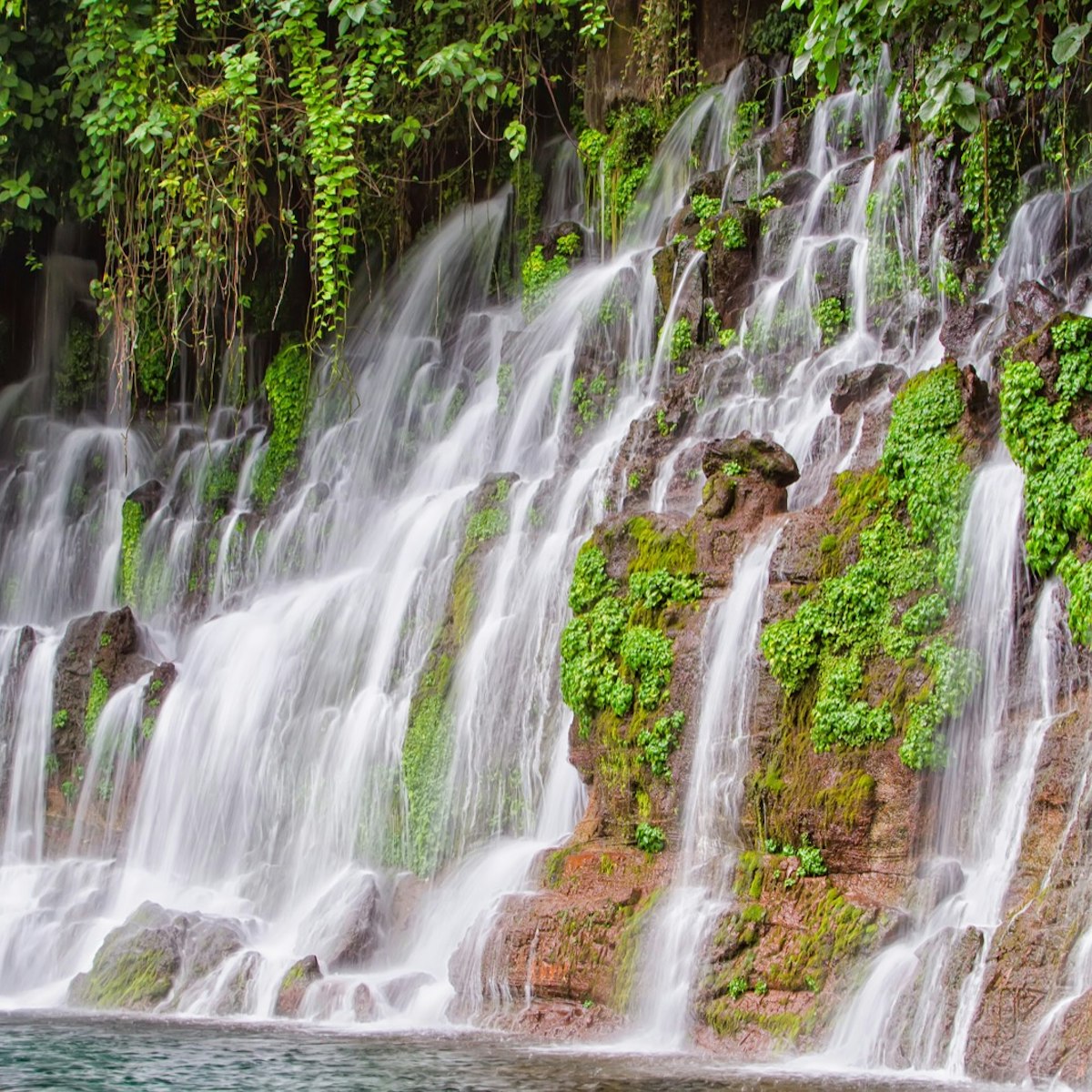
Western Honduras
This magnificent 43m waterfall on the Río Lindo is 17km north of Lago de Yojoa (and also an easy day trip from San Pedro Sula). Surrounded by lush forest,…

Honduras
The park’s first trail is still a favorite, with a moderately difficult three-hour hike to Cascada Zacate. You’ll hear the falls before you see them; they…
Attractions
Top picks from our travel experts

Western Honduras
This high-quality lodge makes an excellent base for the Parque Nacional Cerro Azul Meámbar. Comfy rooms are in the lodge, but sturdy double-occupancy…
Museo para la Identidad Nacional
Tegucigalpa
If you hit only one sight in Tegus, head here. The museum is housed in the gorgeously renovated 19th-century former Palace of Ministries. It's a superb…
Copán Ruinas
Around 2.5km outside Copán Ruinas is an extensive private reserve aimed at saving Central American macaws. There are plenty of them here, along with…

Utila
Jutting out over the bay, this bar is a key evening hangout and one of the main social hubs for backpackers on the island – more for its prime location…
Centro de la Cultura Garinagu de Honduras
Tegucigalpa
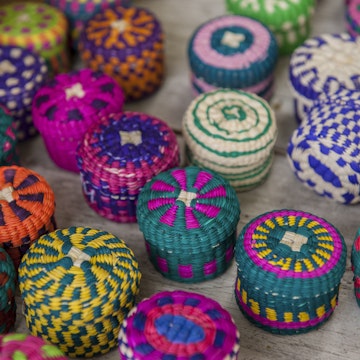
It's well worth dropping by this cultural center, and situated right on the Parque Morazán, which is handicrafts, clothing and tools on display, as well…
Roatán
A highly sociable and welcoming bar-restaurant with superb sunset views from the rear deck. Draws a good mix of locals, expats and visitors. There’s…
La Ceiba
This is one of Ceiba's more interesting drinking establishments, a curious, enclosed beach bar with a tree-house feel and lots of nooks, crannies and…

San Pedro Sula
So the food is just OK (the Honduran plates for two or more people are your best bet), but the setting here in a lush garden at the edge of a mountain…
Tegucigalpa
At the center of the city is the Plaza Morazán, often called Parque Central by locals – this is Tegucigalpa's hub. A statue of former president Francisco…
Roatán
Originally set up in 2005 with the aim of protecting the reef system around the West End and Sandy Bay, the Roatán Marine Park now covers the whole island…
Parque Nacional Cerro Azul Meambar
Western Honduras
East of Lago de Yojoa, this well-maintained national park boasts kilometers of trails leading to waterfalls, caves and untouched cloud forest. There's…
Parque Nacional Montaña de Santa Bárbara
Western Honduras
Parque Nacional Santa Bárbara is an isolated national park containing Honduras’ second-highest peak, Montaña de Santa Bárbara (2744m), plus extensive…
Utila
A dive bar that packs in a curious mix of local characters, hard drinkers and members of the international wandering class. Try the banana-infused rum.
Museo de Antropología e Historia de San Pedro Sula
San Pedro Sula
This airy two-story museum walks visitors through the history of the Valle de Sula from its pre-Columbian days to the modern era. The pottery collection…
San Pedro Sula
San Pedro’s cathedral is a mock-colonial structure that actually dates from 1949. It faces the once-majestic (and now decrepit) art deco Palacio Municipal…
Honduras
It's haphazardly run, but Jungle River Lodge is perched on a ledge with a magnificent perspective of the Río Cangrejal valley – the outdoor bar-restaurant…
Copán Archaeological Site Ruins
Copán Ruinas
One of the most important of all Maya civilizations lived, prospered, then mysteriously crumbled around the Copán archaeological ruins, a Unesco World…
Planning Tools
Expert guidance to help you plan your trip
Best Things to Do
Dive into Honduras and explore its preserved Maya sites, incredible wildlife, culture and nightlife with our guide to getting the best out of your trip.
Read articleThings to Know
Honduras is a place of immense beauty and diversity, but traveling here does require some forethought and on-the-ground know-how.
Read articleTransportation
The second-largest country in Central America, Honduras is a sprawl of mountains, islands, coastal plains and tropical lowlands. Here's how to get around.
Read articleVisa Requirements
Honduras has a wealth of attractions awaiting you, so don't allow visa drama to delay your trip. Find out if you need one and how to get it.
Read articleMoney and Costs
Wonderfully intact Maya ruins and reef-fringed tropical islands are just two of the many attractions in Honduras. Here's how to enjoy it all on a budget.
Read articleBest Road Trips
Rugged and raw Honduras has incredible landscapes and vibrant cities waiting to be discovered on a road trip. Start planning now with our 5 favorites.
Read articleTraveling with Kids
Discover the top 6 things to do in Honduras with kids, from exploring ancient ruins to beach adventures. Here's how to visit with tots in tow.
Read articleArticles
Latest stories from Honduras
Filter by interest:




 Public TransportHow to get around in Honduras, from the cloud forests to the beaches
Jan 6, 2024 • 6 min read

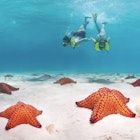
 Budget TravelHonduras on a budget – how to see the beaches, reefs and ruins for less
Dec 26, 2023 • 7 min read

in partnership with getyourguide
Book popular activities in Honduras
Guidebooks
Purchase our award-winning guidebooks
Get to the heart of Honduras with one of our in-depth, award-winning guidebooks, covering maps, itineraries, and expert guidance.