Jun 3, 202610 min read
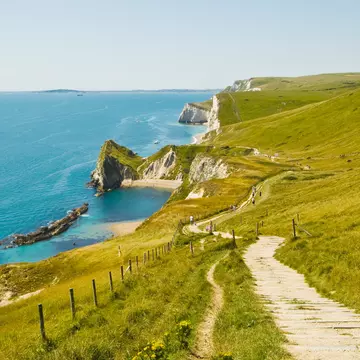
England vs Wales: which has the best Coast Path?Jul 2, 2025
9 MIN READ

Writer
Writer
With its wild coastline, ancient history and cultural contributions that have left a mark around the world, England is one of the world’s most alluring destinations. And while the famous landmarks and 24/7 buzz of London will always seduce first-time visitors, there are a ton of unique attractions outside the capital that deserve your attention.
From almost-cinematic hikes in the Lake District to the jaunty street art of Bristol, amazing adventures can be had up and down this green and pleasant land. The weather is always changeable, but England’s status as a world-class destination is never in doubt. Here are the best things to do in this scenic nation.
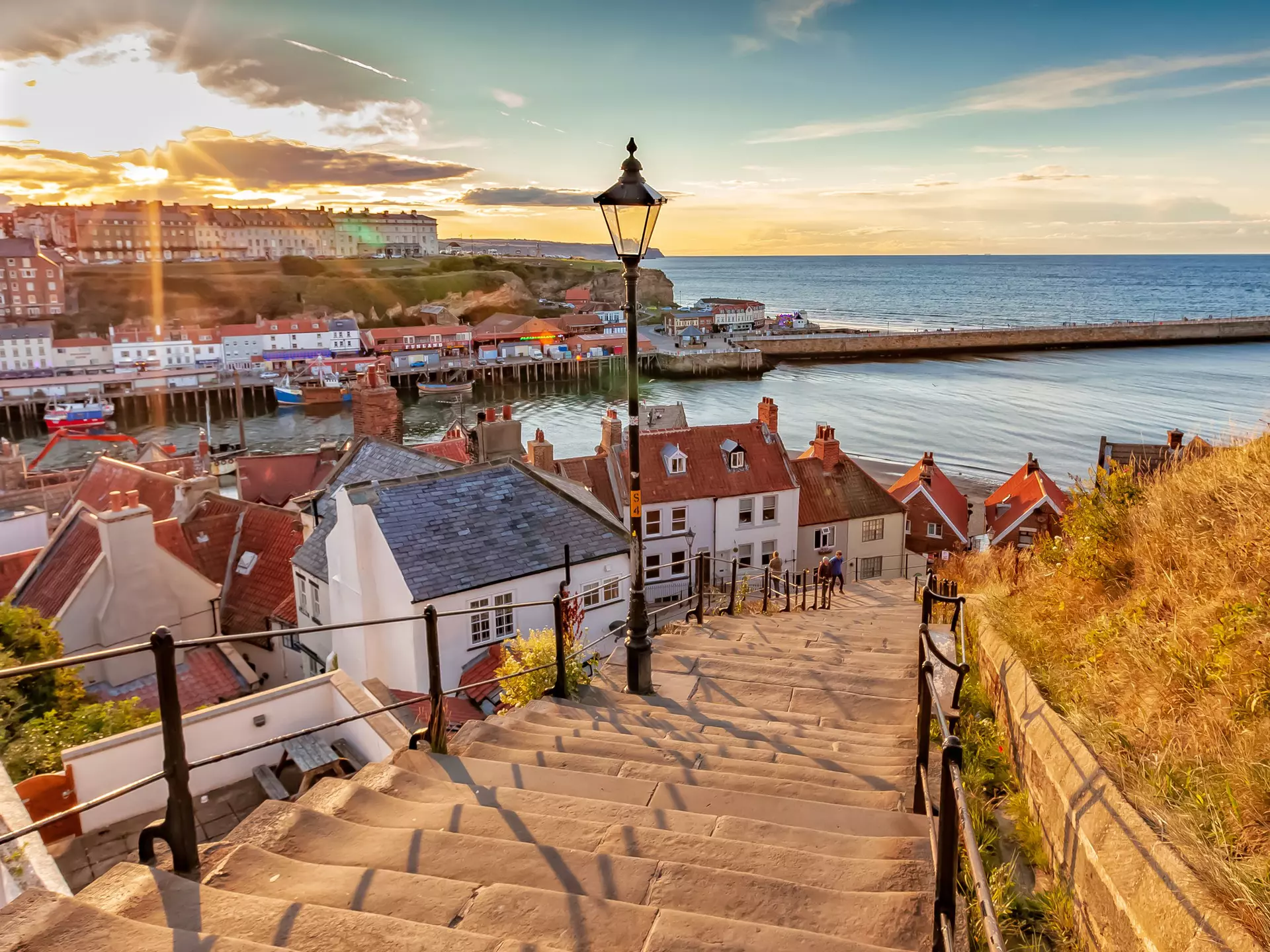
There are few more English experiences than eating fish and chips in a seaside town. And while the northern fishing village of Whitby is more famous for its connections to Bram Stoker and his novel Dracula, it’s also home to some of the finest and freshest fish and chips in the country.
Order a fresh haddock and chips from Quayside or the Magpie Cafe and sit back and admire Whitby’s famous harbor, which sweeps from a cluster of 18th-century fishing cottages along the East Cliff up to the town's famous ruined hilltop Abbey. Just watch out for mischievous seagulls who'll always have an eye on your food.
Planning tip: Buying an on-the-spot membership to a heritage organization like English Heritage or the National Trust is good value if you plan to visit lots of historic sites. It includes free admission, as well as information handbooks and car parking.
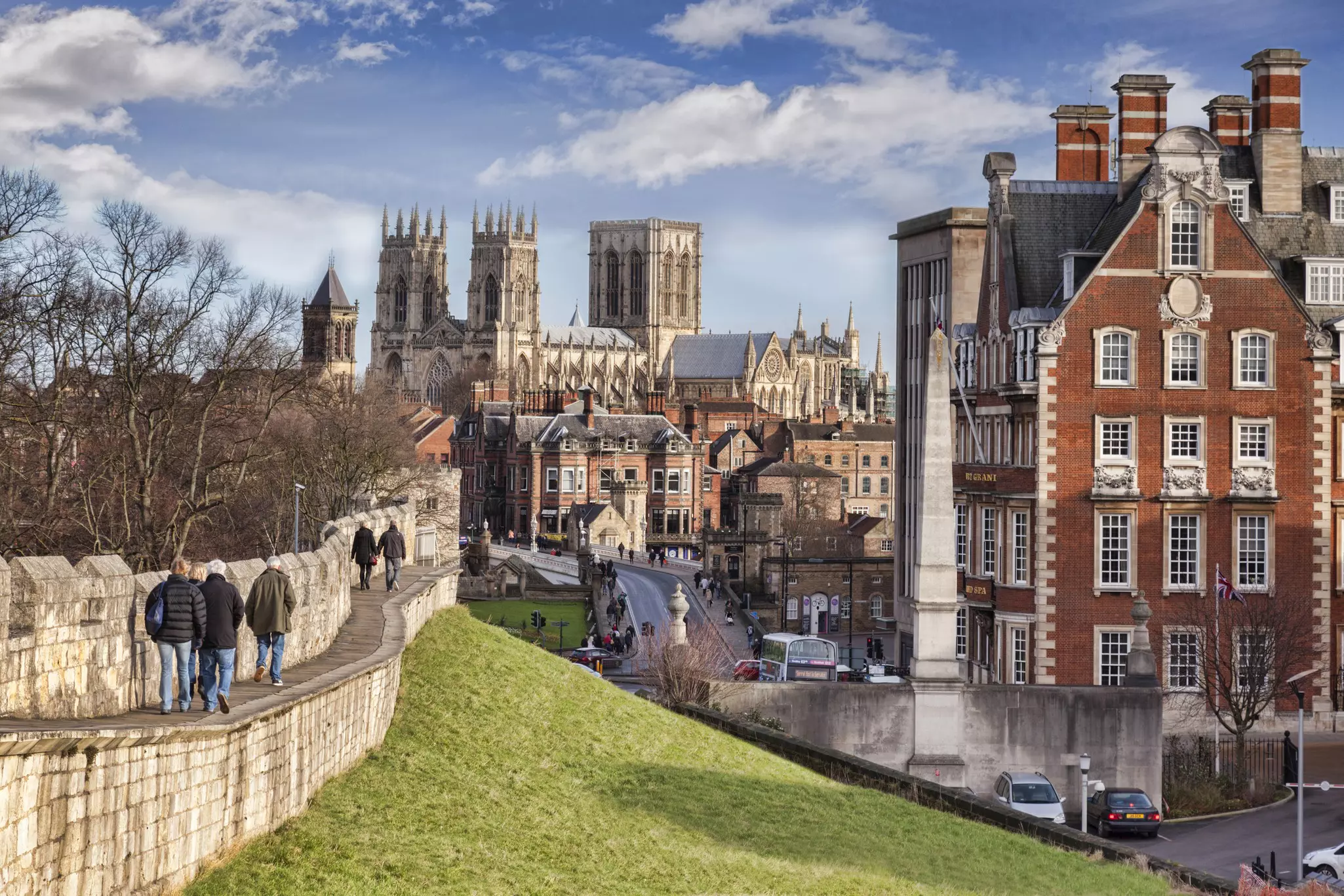
Many historic cities in Europe retain their original city walls, but few are in as good condition as the 4m (13ft) stone walls surrounding the English city of York. Though the first fortifications were built by the Romans, the current walls are around 700 years old and date back to the medieval period. Stroll atop the walls, and you'll get some stunning views of this city’s soaring spires and crooked rooftops, especially the section behind the grandiose York Minster.
Planning tip: Book in advance to visit the Jorvik Centre and learn about the city's viking history through sights, smells and sounds of the era.
Take a walk through the colorful streets of Bristol’s Stokes Croft neighborhood to see the city’s creative spirit in full flow. The former hometown of enigmatic artist Banksy, Stokes Croft was also his original canvas, and many of his works can still be seen amid the area’s quirky pubs, cool cafes and vintage boutiques.
From classics such as Mild Mild West(with its Molotov-cocktail toting teddy bear) to lesser-known works such as The Rose Trap on Thomas Street North, Banksy’s influence is indelible.
Local tip: Explore more of Banksy's oeuvre on a superbly detailed tour by Where The Wall.
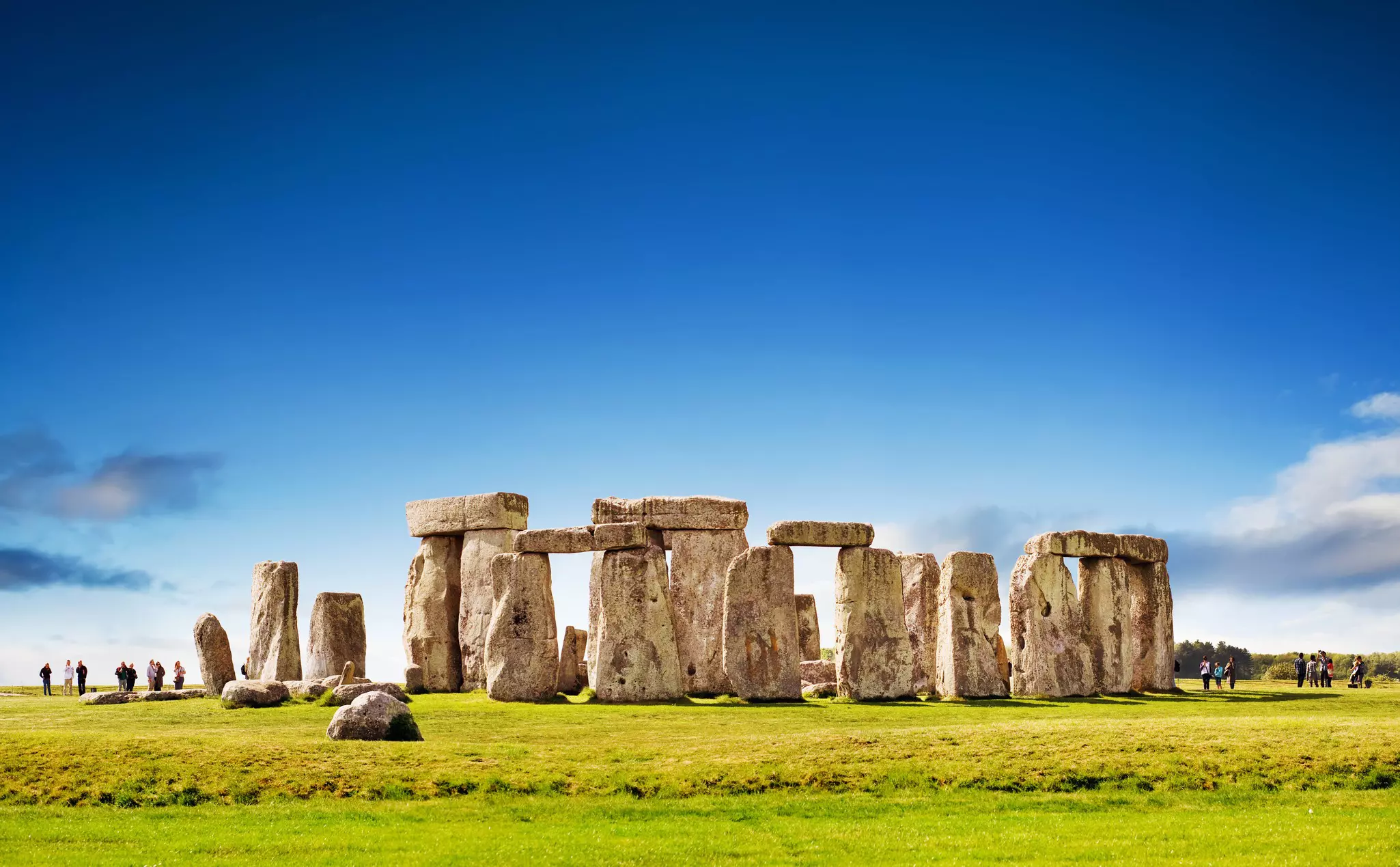
Bizarre and mysterious, the prehistoric stone circle at Stonehenge is one of England’s most evocative sights and a UNESCO World Heritage Site – befitting a site said to date back as far as 3000 BCE. Most visitors gaze at the 50-tonne stones from behind the perimeter fence, but with enough planning, you can arrange an early morning or evening tour of Stonehenge and gain access to the inner ring itself. The site takes on an ethereal quality as the golden morning sunlight slants between the stones.

Stay connected abroad with an eSIM
Holafly eSIM provides unlimited mobile data with no hidden fees, giving you peace of mind wherever you travel. Stay connected even after your plan ends with Always On. Use code LONELYPLANET for an exclusive discount.
Planning tip: You can enter the circle for a sunrise ceremony for the summer or winter solstice for free as part of the Managed Open Access days.
Working out how to spend your time in London when you only have a few days is an almost impossible task as there’s so much to see and do, but it would be remiss to not visit some of its many remarkable museums. Best of all, the majority can be visited free of charge.
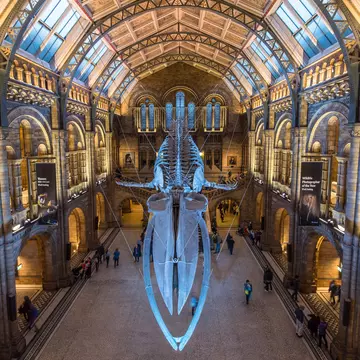
From big-hitters such as the British Museum and Kensington greats including the Natural History Museum and Science Museum to uniquely London-centric spaces such as Covent Garden’s London Transport Museum, you’ll never be bored on a rainy afternoon in the English capital.
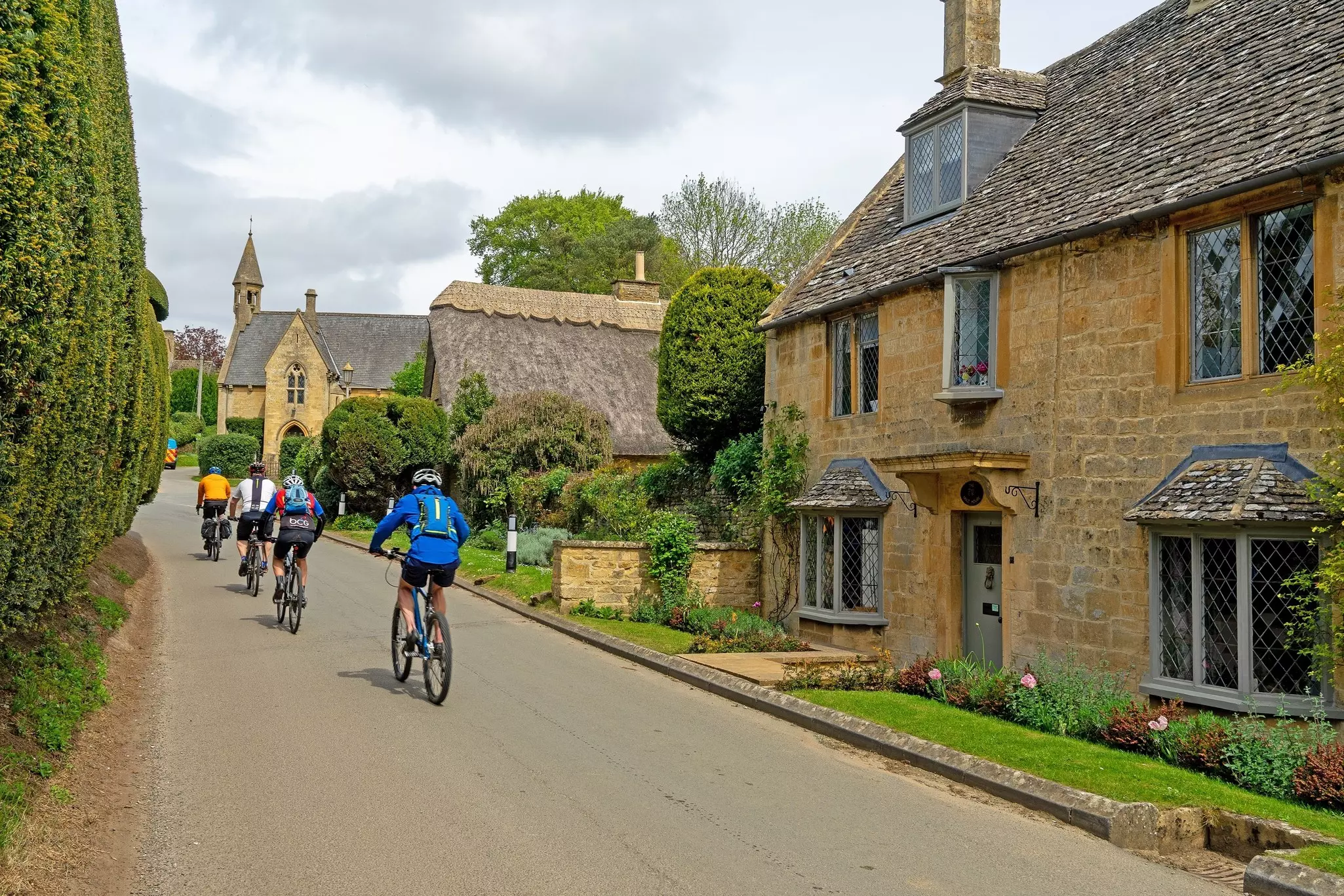
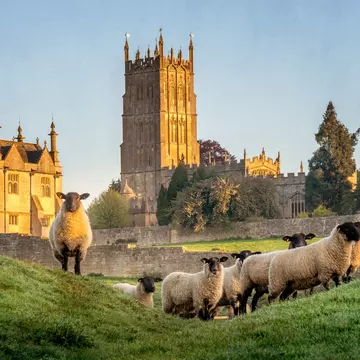
The Cotswolds are lush Olde England at its quaint best, and there are few better ways to explore this patchwork of chocolate-box villages than on two wheels on a warm summer’s day. Spread out over six English counties, this expanse of rolling hills features meandering roads, bucolic landscapes and hundreds of cozy country pubs where you can relax with a pint of real ale at the end of a long ride.
Planning tip: For a deep dive into this quintessentially English corner of Britain, hire a bike and tackle the 164km (102-mile) Cotswold Way from Chipping Campden to Bath.
The famous-name theaters of London’s West End are the place to catch all the latest shows, but for a true taste of English drama, head up to Stratford-upon-Avon, the one-time home of William Shakespeare himself. Not only is this quaint riverside town a lovely place to explore, but it’s also the official home of the Royal Shakespeare Company, which stages consistently excellent interpretations of the Bard’s most well-known and not-so-well-known works.
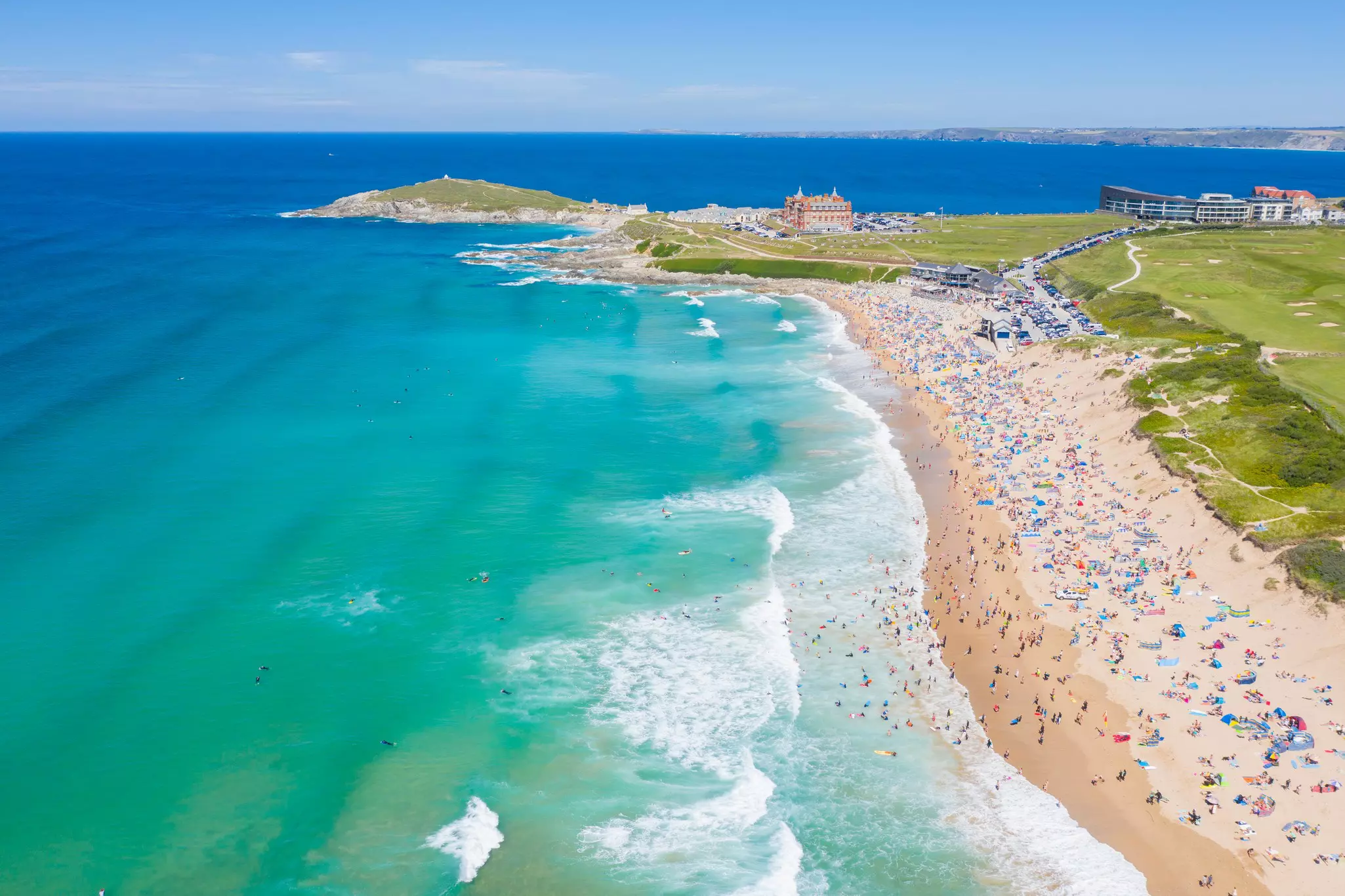
While it might not have the sun-kissed tropical scenes of Australia's Gold Coast or the USA's Hawaii, Cornwall’s ragged coastline attracts thousands of surfers every summer, drawn by England’s biggest waves. Fistral Beach in Newquay is the epicenter of English surfing life, and its beach breaks produce powerful, hollow waves under a wide range of conditions. Newquay is also Cornwall’s biggest party town, so after a day of surfing, you can let your hair down in one of its many thumping pubs, clubs and bars.
Detour: If time and budget allow, consider exploring further with a visit to the Isles of Scilly. St Mary’s (the biggest of the 140 tiny islands) is accessible by ferry (or helicopter) on a day trip.
England was the birthplace of rail travel, and its historic rail lines provide some spectacular opportunities to see the country at its best. For a quick taste, take the Riviera Line from Exeter to Teignmouth, a journey of just over an hour that passes by some of Devon’s most beautiful coastal scenery.
The highlight is the stretch by the Regency resort town of Dawlish, where the train hugs the seafront so closely you can almost taste the spray of the waves as they roll back and forth against the shore. Afterward, settle in on the beach in Teignmouth and dip your toes in the English Channel.
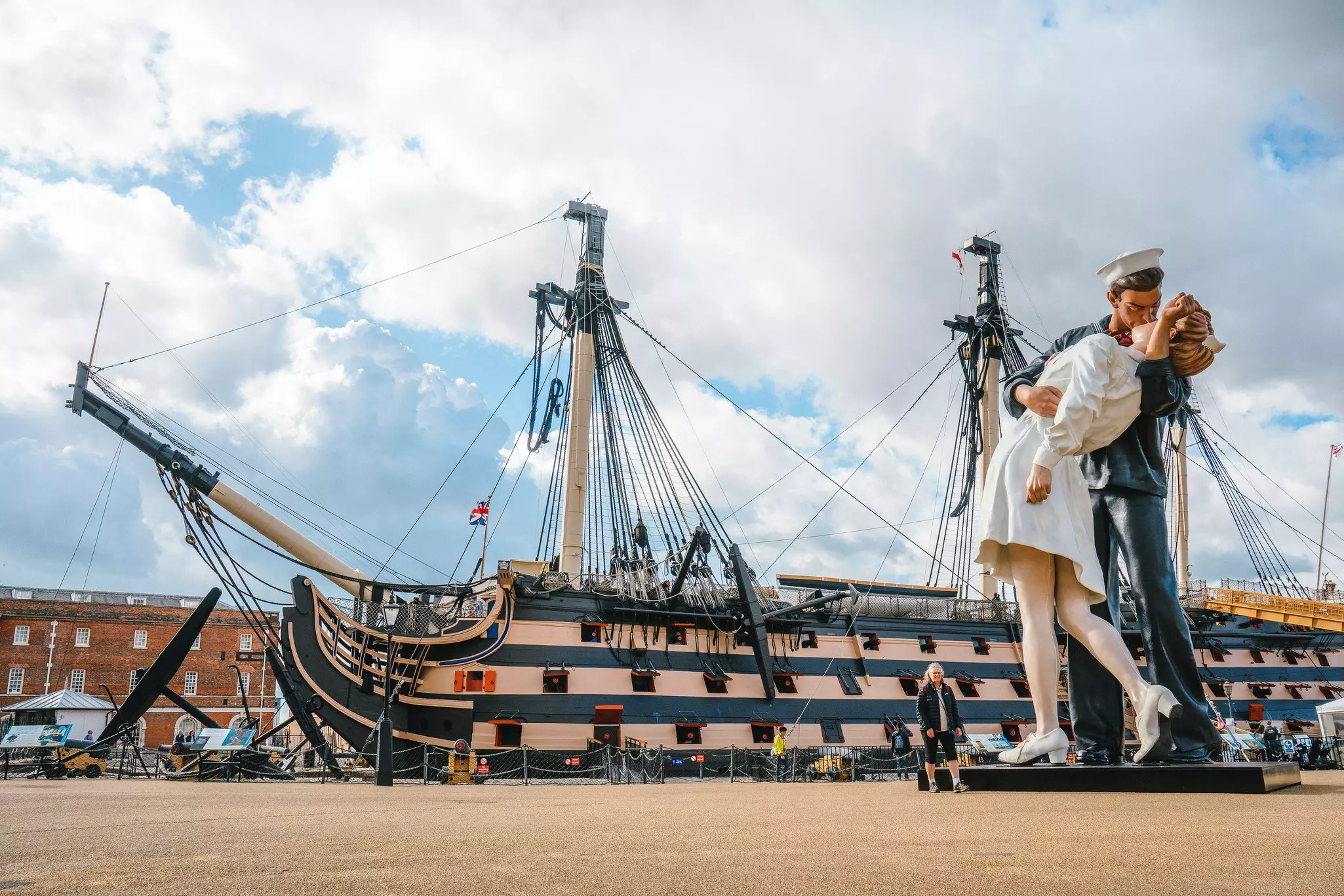
England is home to some of the world’s most famous cathedrals, castles and mansions, but one of its most breathtaking artificial sites is a ship that’s been sitting in dry dock for over 100 years. HMS Victory was Lord Nelson’s flagship at the Battle of Trafalgar – arguably the Royal Navy’s greatest-ever maritime victory – and you can explore its enormous wooden frame at Portsmouth Historic Dockyard. The Victory first launched in 1765, and it’s amazing that this 250-year-old ship still exists.
Planning tip: The engaging audio guide telling the story of Nelson’s final moments is highly recommended.
From Oasis to Joy Division and the Smiths, Manchester has produced some of the UK’s most iconic bands, and the city's musical heritage is still very much alive today. You'll find a plethora of fabulous venues for live music dotted around the city, so be sure to catch a show when evening comes. From the sweat-soaked backrooms of the Eagle Inn to the ornate Albert Hall, you're guaranteed to find a spot to tune into your fave musical genre.
Local tip: Manchester's latest cultural center, Aviva Studios, is the home of Factory International, which opened in mid-2023 with a vision for reinvigorating the city's creative energy.
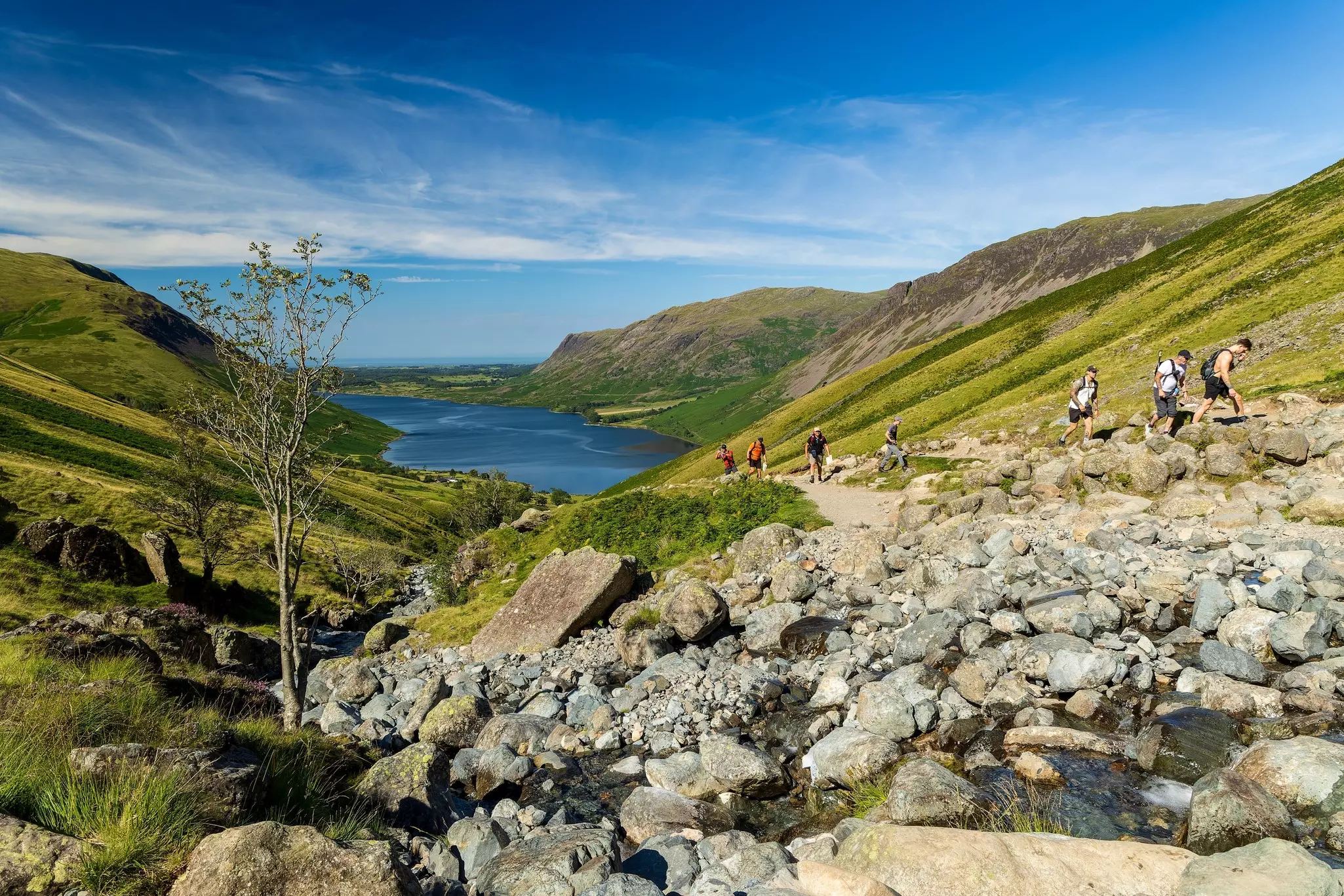
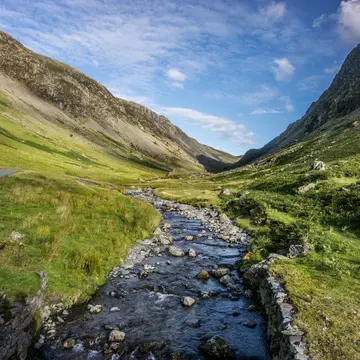
William Wordsworth wrote many wonderful words about the Lake District, but it’s unlikely that he ever scaled Scafell Pike (unlike his sister, Dorothy). Rising to 978m (3209ft) above sea level, this is England’s highest mountain, and it offers panoramic views from its craggy summit. You can see the peaks of Yr Wyddfa (Mt Snowdon) in Wales and the Mourne Mountains in Northern Ireland on a clear day. The rocky Wasdale path is the most popular route to the top, and the 4.2km (2.6-mile) journey should take around three hours to complete.
Planning tip: Hikers and peak baggers should plan on sticking around for a bit – the Lake District has some of the best hikes in the UK.
Brighton is unashamedly alternative, and it’s hard not to fall in love with the place when you enter the quirky warren of roads known as the Lanes. Nearby, the North Laine district is the bohemian heart of Brighton, and its vibrant streets are packed with vegan cafes, espresso bars, chaotic pubs, record stores, bric-a-brac shops and vintage clothing boutiques. Spend an afternoon perusing the dusty shelves of Snoopers Paradise before ordering a local cask ale from the Great Eastern’s narrow and always-lively bar.
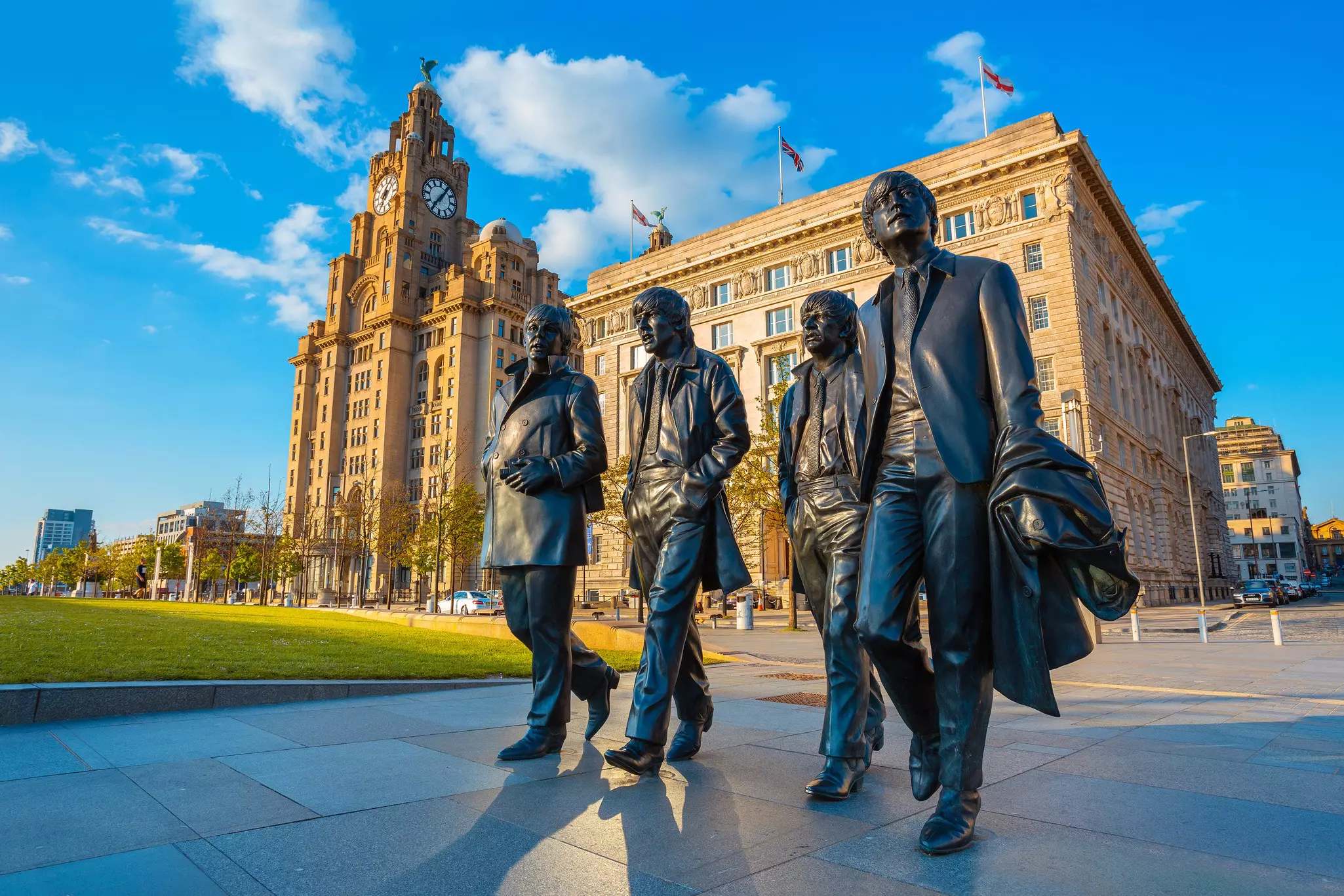
Yes, there’s a whole lot more to Liverpool than the Fab Four, but the city is stuffed with myriad museums, pop culture landmarks and subtle references to what was arguably the world’s greatest ever band. Start with the Beatles Story followed by a night at the legendary Cavern Club to get your Fab on. Don’t forget that some of the most unique Beatles sites are out of the city center.
Detour: Check out the real-life Penny Lane on the Magical Mystery Tour or, even better, take a tour of the basement of the Casbah Coffee Club to see where the Beatles played their very first gig in 1959.
England is one of Europe’s most densely packed countries, and locals place a lot of value on unwinding with a quiet pint. Few places are better for that than the Tan Hill Inn on the edge of the Yorkshire Dales National Park. At 528m (1732ft) above sea level, it’s the highest pub in the British Isles and has been known to be completely snowed in during winter blizzards. Still, the surrounding North Yorkshire landscape has a bleak beauty about it, and this remote spot is a perfect place to get away from it all.
Take your England trip with Lonely Planet Journeys
Time to book that trip to England
Lonely Planet Journeys takes you there with fully customizable trips to top destinations – all crafted by our local experts.


Explore related stories