
Advertisement
China
China. The name alone makes you want to get packing. It's going places, so jump aboard, go along for the ride and see where it's headed.

©Haines/Shutterstock
Latest Stories
- Bibek Bhandari|May 23, 20268 top things to do in China
- Faye Bradley|May 22, 2026The best beaches in China
- Lonely Planet Editors|Feb 6, 202613 of the best places to visit in China
- Tom O'Malley|Sep 4, 2025What you should know about visiting the Great Wall of China
Book


Trusted Partner
Dreaming of China? Protect your trip
Travel with confidence. Protect your trip and your wallet.
We don’t represent World Nomads, we receive a fee from quotes using this link. This is not a recommendation to buy travel insurance.
Top places to visit in China
Discover the best attractions in China from must-see sights to unexpected hidden gems.
-
 Attraction in QingdaoQingdao Cable Car
 -
-
-
 Attraction in LhasaSera Monastery
 -
 Attraction in LhasaPotala Palace
 -
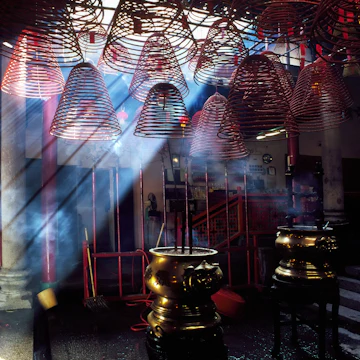 Attraction in Hong KongMan Mo Temple
 -
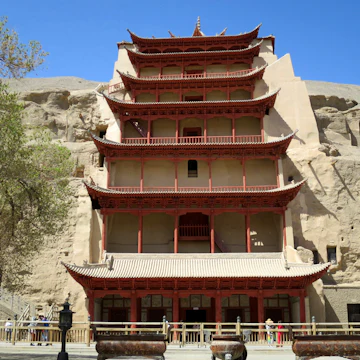 Attraction in DunhuangMogao Grottoes
 -
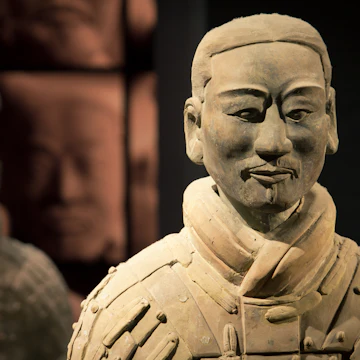 Attraction in Xi'anArmy of Terracotta Warriors
Advertisement
Travel Guides
China travel tips from Lonely Planet experts
Find practical guidance from our team of contributors around the world who bring their decades of first-hand travel experience to your next trip.
Best Things to Do
Experience a fascinating mix of ancient heritage and modern life with these excellent things to do in China.
Read full article
Best Time to Visit
Pick the best time for your visit to China with this seasonal guide to the weather, crowds and most fascinating festivals.
Read full article
Transportation
China is astonishingly huge, amazingly diverse – and remarkably well connected. Here’s how to get around the country by train, bus, bicycle and more.
Read full article
Visa Requirements
Stretching from Central Asia to the jungles of Vietnam, China is a land of endless travel opportunities. Here's what you need to know about getting a visa.
Read full article
Best Places to Visit
China is packed with dichotomy: ancient Buddhas sit alongside ultramodern, high-tech cities. These highlights will make your trip both restorative and exciting.
Read full article
Get Connected
Stay connected on your trip to China with these helpful tips.
Read full article
Advertisement
Get a book. Get inspired. Get exploring.


China and beyond


Advertisement