Henan
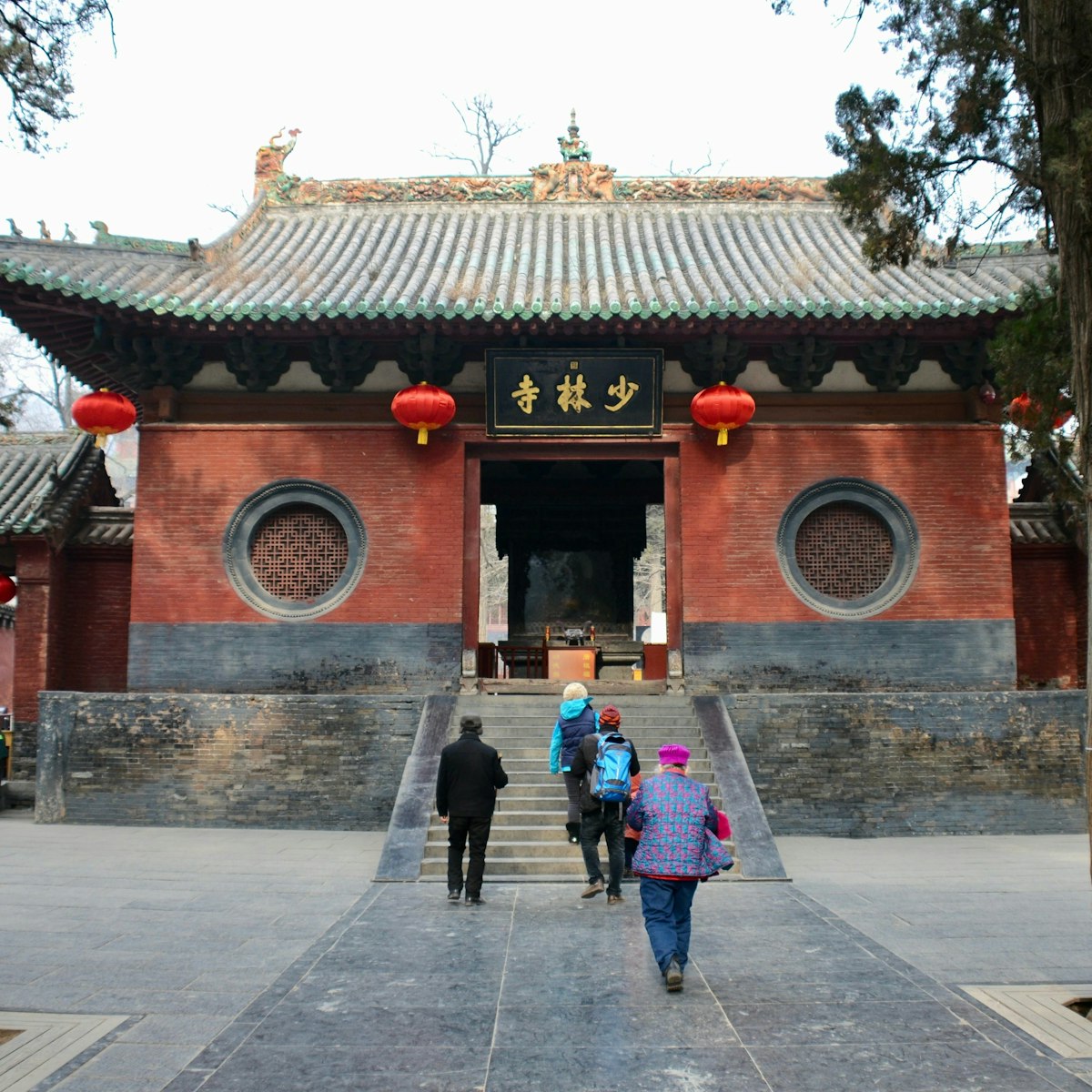
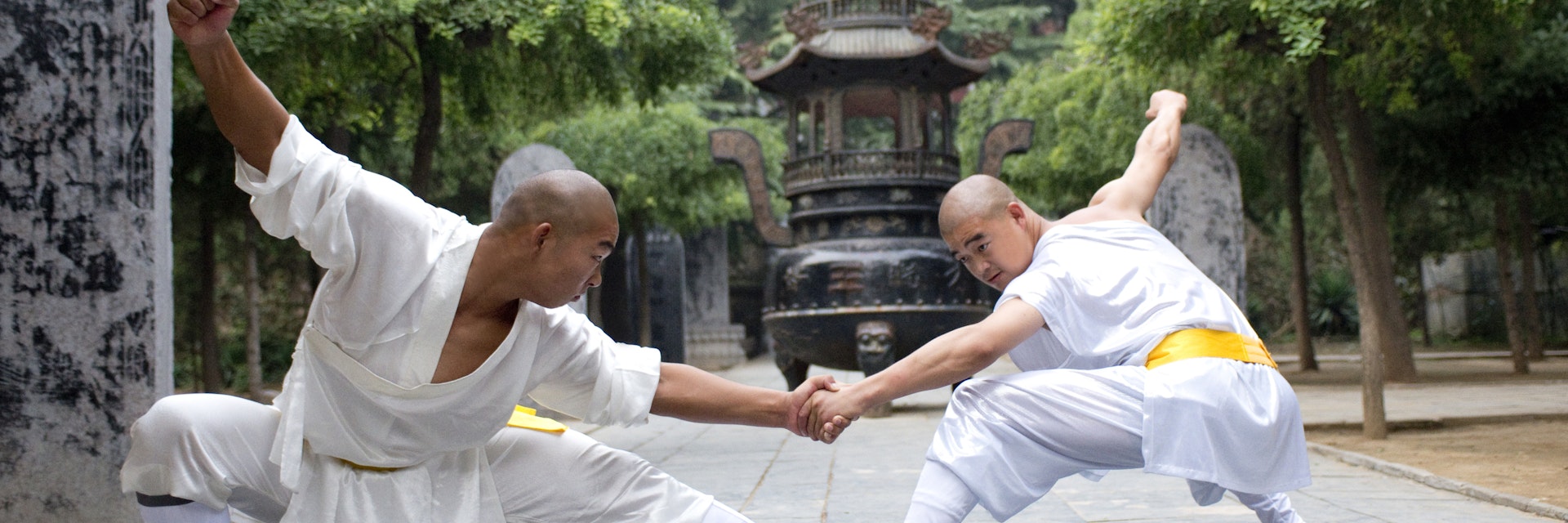
The largely rebuilt Shaolin Temple is a commercialised victim of its own incredible success. A frequent target of war, the ancestral home of wǔshù was…
Getty Images
Affluent Chinese may roll their eyes at the mention of slow-moving and impoverished Henan (河南, Hénán), but the province’s heritage takes us back to the earliest days of Chinese antiquity. Ancient capitals rose and fell in Henan’s north, where the capricious Yellow River (Huáng Hé) nourished the flowering of a great civilisation.
Henan
The largely rebuilt Shaolin Temple is a commercialised victim of its own incredible success. A frequent target of war, the ancestral home of wǔshù was…
Henan
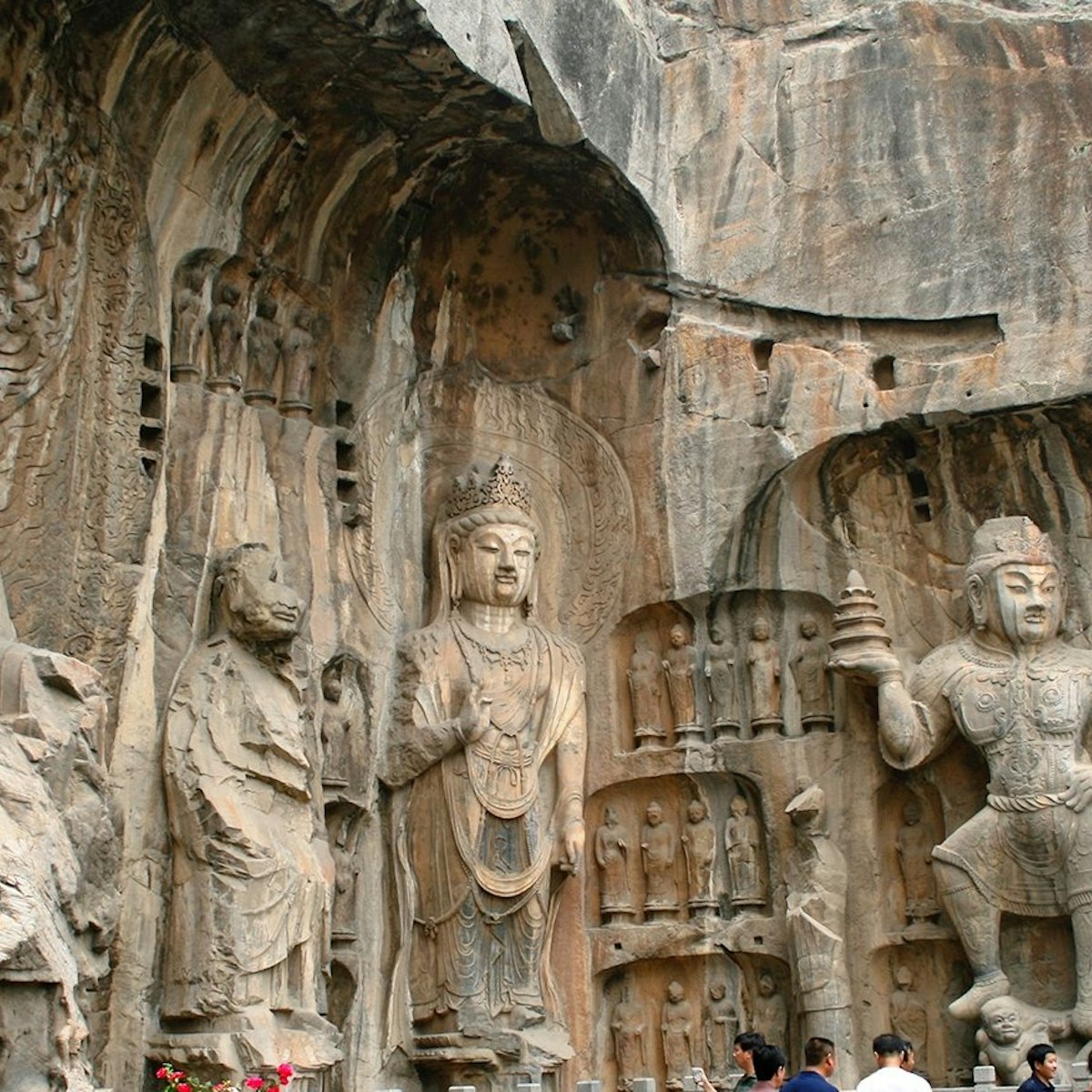
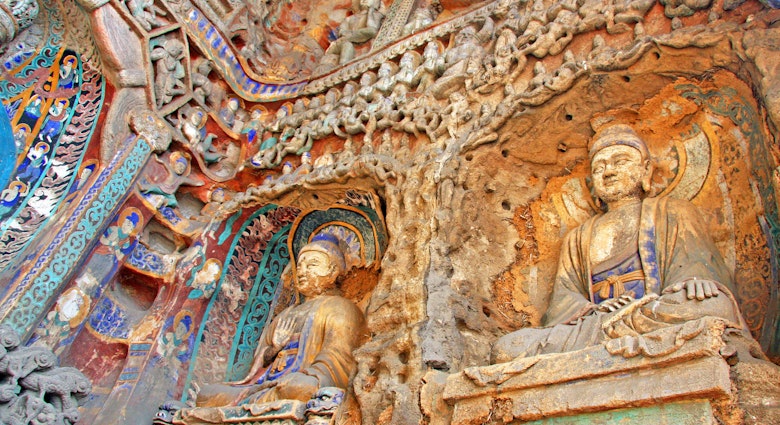
The ravaged grottoes at Longmen constitute one of China’s handful of surviving masterpieces of Buddhist rock carving. A sutra in stone, the epic…

Henan
First founded in AD 555, this frequently rebuilt temple vanished along with Kaifeng in the early 1640s, when rebels breached the Yellow River’s dykes…
Henan
This superb but little-visited museum has three main exhibits: 20 reconstructed tombs (spanning five main dynasties, or over 1000 years), re-created using…
Henan
This tunnel on the cusp of Guoliang village offers a closer perspective on the plunging cliffs, with dramatic views carved through the rock. The tunnel…
Henan
Although its original structures have all been replaced and older Buddhist shrines may have vanished, this vast, active monastery outside Luoyang is…
Henan
Arguably the best hike in the area, Taishi Shan serves as a much quieter counterpoint to Shaolin Temple. It's not for slackers, however; like all Chinese…
Henan
Kaifeng's most iconic landmark is a magnificent 11th-century Iron Pagoda (55m tall) at the centre of a pleasant park. The gorgeous, glazed-brick edifice,…
Filter by interest:

Get to the heart of Henan with one of our in-depth, award-winning guidebooks, covering maps, itineraries, and expert guidance.