May 9, 20267 min read
The prettiest places to visit in CanadaApr 24, 2025
9 MIN READ
Writer
Writer
A trip to Canada brings you plenty of natural, architectural and historical sites to keep you coming back for more.
Whether you're sauntering through the dense forests and mountains of Banff, the balmy environment of Victoria, British Columbia, or treeless Baffin Island with its dramatic fjords, you'll find a host of interesting landscapes. You'll also get to view the dinosaur bones at Drumheller and the ultra-modern skyscrapers of Toronto.
To help you get started, we've arranged this list of 12 exciting adventures you can enjoy in Canada.
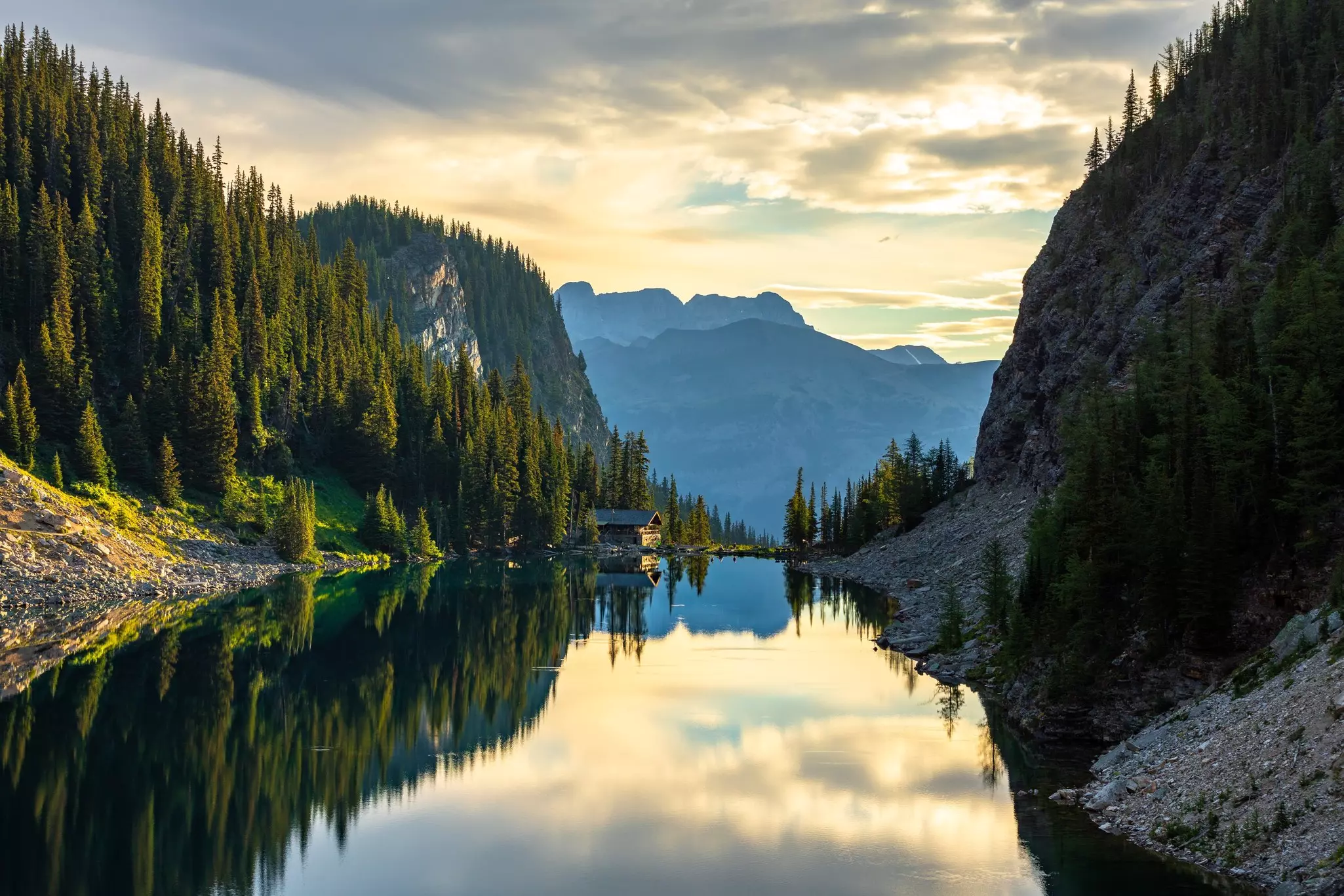
You could fill several summers hiking the countless trails in Banff National Park. But if you had to choose just two routes that combine wild mountain scenery with refreshing comforts, look no farther than the Lake Louise teahouses. Originally built by the Canadian Pacific Railway in the early 20th century, these two historic backcountry cabins are only accessible by foot or on horseback, and during the balmy days of summer serve a welcome menu of hot beverages and appetizing snacks. The Lake Agnes Teahouse is nestled in a mountain cirque (valley) 3.5km (2.2 miles) above Lake Louise. The Plain of Six Glaciers Teahouse occupies a glade 5.6km (3.5 miles) southwest of the Fairmont Chateau Lake Louise and within sight of the Victoria glacier. Energetic types can visit both in the same (ambitious) walk.
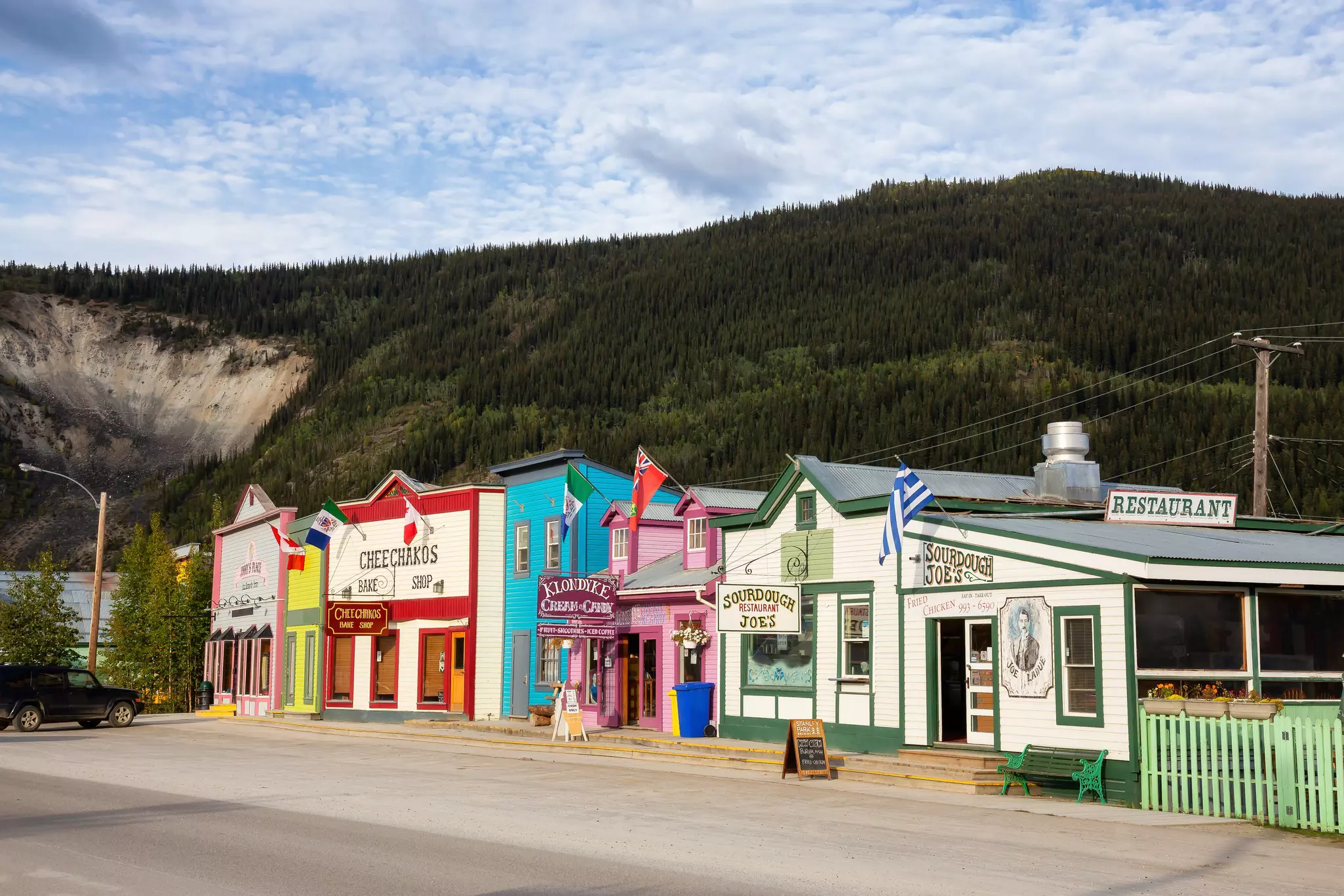
One of Western Canada’s best-preserved and most evocative national historic sites, Dawson City pays homage to the Klondike Gold Rush (1897-1899, fueled by discovery in 1896). The event is sometimes described as America’s “last grand adventure, ” and one that left a lasting mark on Canadian culture and the folklore of the Yukon. A lasting legacy of this era is the tight grid of wooden buildings that have changed little since the settlement’s 20th-century heyday. In 2023, UNESCO made Tr’ondëk-Klondike a World Heritage site, to highlight the often-forgotten impact of the gold rush on the region’s Indigenous people. Lest we forget, two of the original prospectors, Skookum Jim and Tagish Charlie, were from the Tagish First Nation.
Planning tip: Parks Canada docents dressed in period clothing lead excellent summer walking tours of the town’s important monuments. Meet them at the visitor center.
Head north to Alert Bay on tiny Cormorant Island, just off Vancouver Island, to see one of the best manifestations of Canada’s rich Indigenous culture: the U’mista Cultural Centre, a unique museum modeled on a wooden Indigenous longhouse. The museum displays a vast collection of reclaimed Kwakwaka’wakw artifacts, including masks, carvings and totems. These were previously confiscated by Canadian authorities in the early 20th century when “potlatch” gift-giving ceremonies were prohibited in an effort to repress Indigenous culture.

Few cities are as distinctly bilingual and bicultural as Montréal – and few host such a varied smorgasbord of festivals. June is when the main summer season kicks off, with Festival Mural, a graffiti and hip-hop extravaganza. Hot on its heels comes Francos de Montréal (Québécois music) and the Canadian Grand Prix (motor-racing), followed in July by Juste pour Rire (Just for Laughs, a giant comedy happening), with the peerless Festival International de Jazz de Montréal as the season’s high point. Yet those are just the appetizers. Many more parades, galas, circuses and street parties enliven Montréal’s streets the other 10 months of the year.
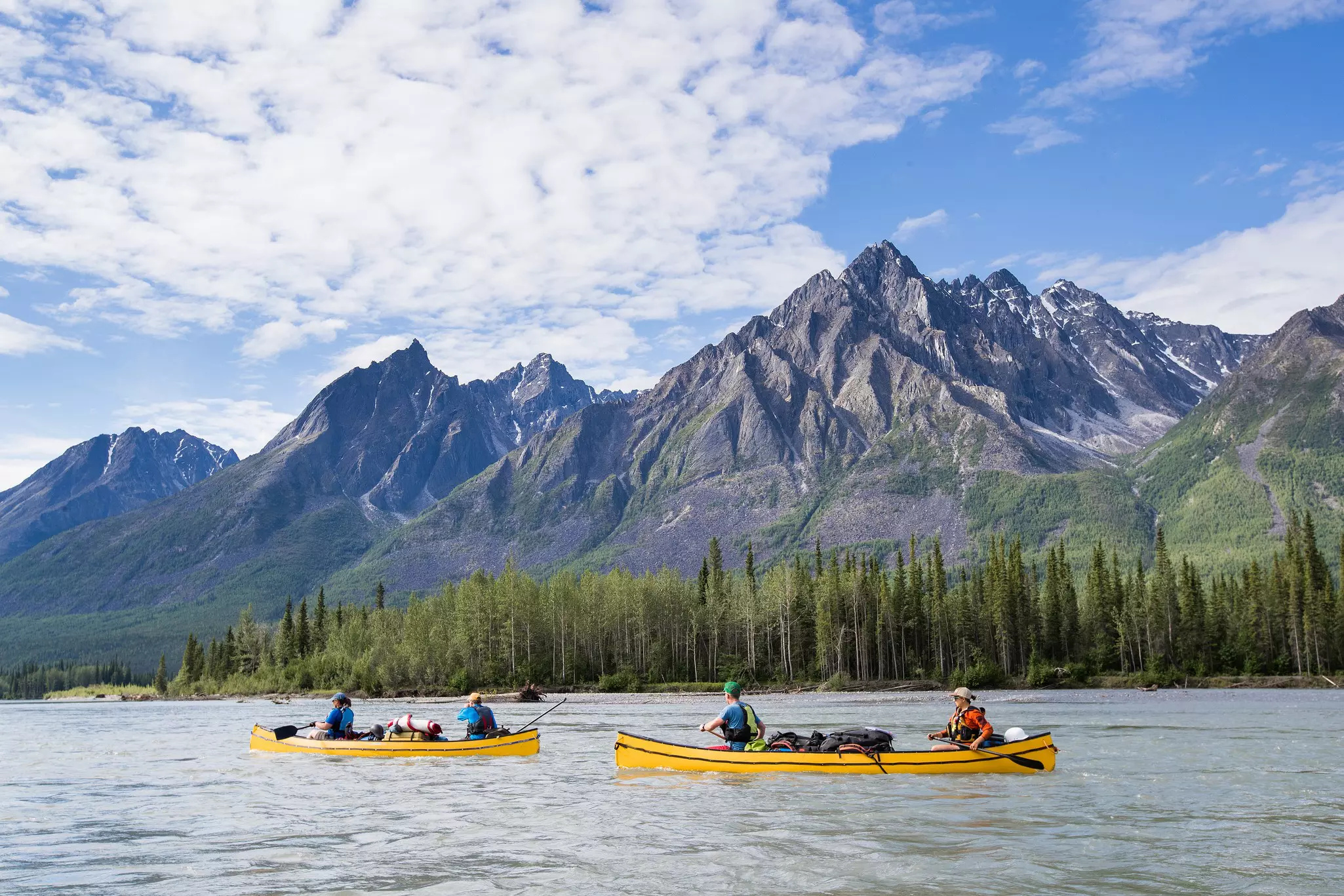
You’ll need to jump on a floatplane to see the unsullied glories of Nahanni in the Northwest Territories, a roadless national park acclaimed for wild rivers that curl around the MacKenzie Mountains through deep canyons and past a karst landscape riddled with interconnecting caves. With zero population and no services, visits here are pricey but truly rewarding, once-in-a-lifetime trips. Multiday guided paddling excursions on the South Nahanni River are particularly spectacular.
Planning tip: Flights are best arranged out of Fort Simpson in the NWT or Whitehorse in the Yukon. Raft and canoe trips can be organized with licensed outfitters like Black Feather, which runs 14-day canoeing tours on the South Nahanni River.
Tossed around like a tennis ball in the colonial wars of the 17th and 18th centuries, Annapolis Royal in rural Nova Scotia is today a small peaceful town that shows few signs of the sieges and skirmishes that once beset the region. Its pièce de résistance is Fort Anne, a historic bastion first fortified by the Scottish in 1629, re-established by the French in the 1640s and finally requisitioned by the British in 1713. Aside from the military citadel, the town guards several less contentious cultural heirlooms, including some of Canada’s oldest surviving houses.
Detour: Around 14km (9 miles) northwest of Annapolis Royal, the Port Royal National Historic Site is a replica of the one of the earliest permanent European settlements in North America, established by French colonist and explorer Samuel de Champlain in 1605.
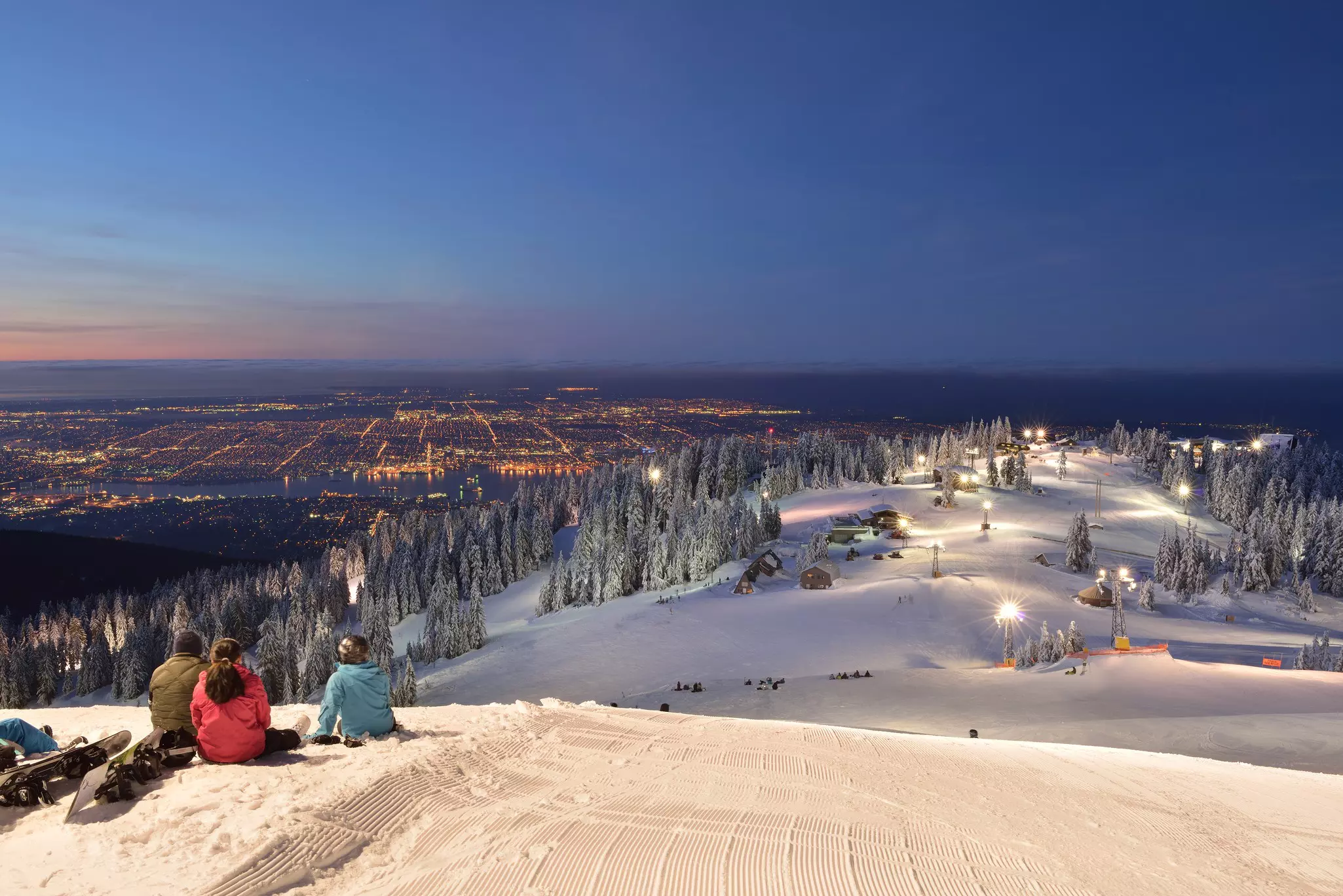
The roadless muddle of mountains and valleys just north of Vancouver is the city’s proverbial backyard – and, in the eyes of many, its finest attraction. Accessible via a network of well-mapped trails and easily reachable by public transport, the backcountry here is close enough to the city to be reconnoitered in a day. You might be observing bears in Hanes Valley at lunchtime, then belting out tunes in a downtown karaoke bar by evening. Most tourists access the North Shore via the Grouse Mountain gondola – but only a 20-minute walk from the crowded summit restaurant lies a world of unadulterated subalpine forest and vertiginous ridge tops.
Planning tip: Recommended North Shore hikes include the rocky scramble to the top of Goat Mountain, the strenuous backcountry roller coaster through the Hanes Valley and the popular, rootsy ramble to the viewpoint at St Mark’s Summit.
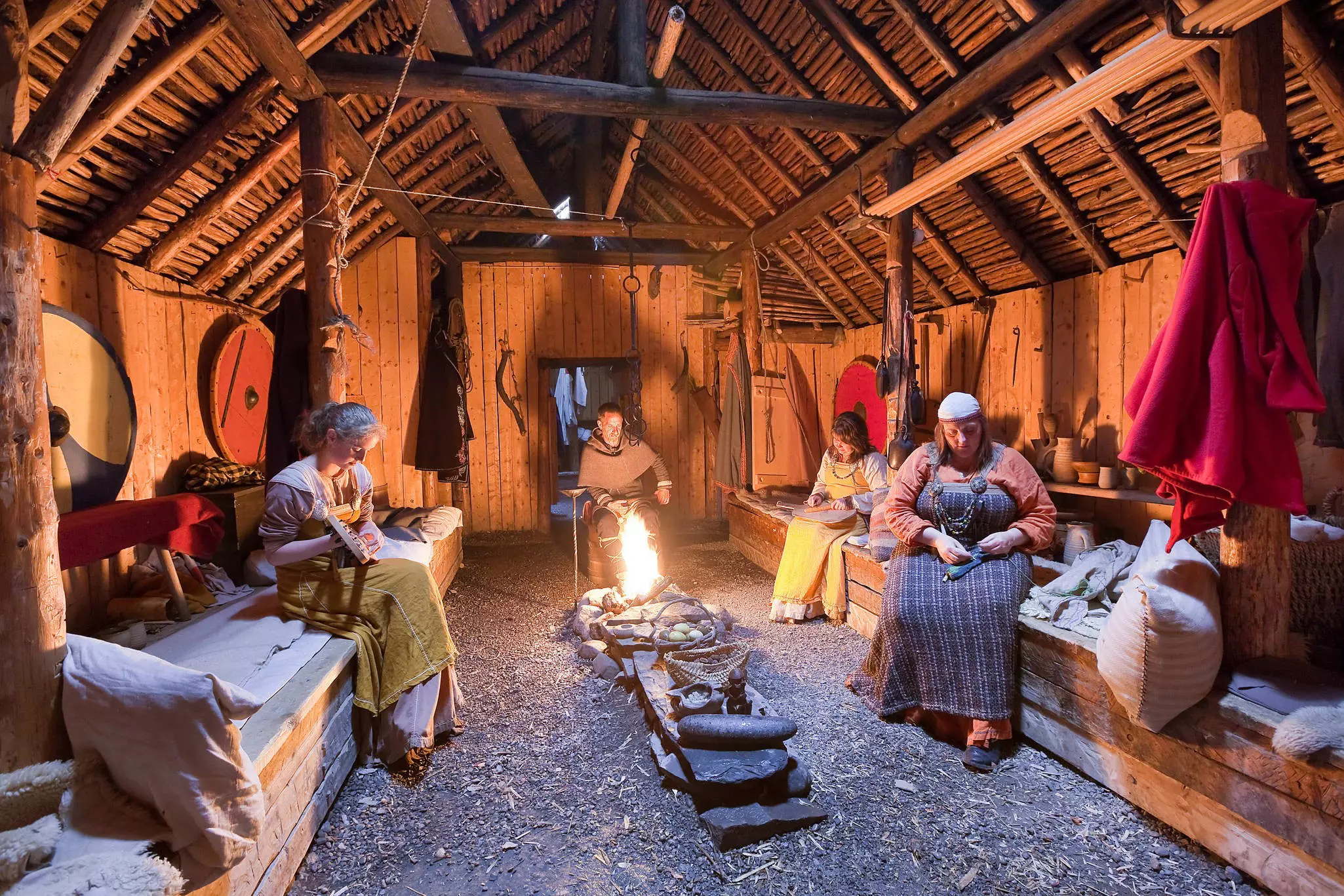
Almost half a millennium before Columbus bumped into North America, a short-lived but pioneering Viking settlement took shape on the northern tip of Newfoundland. You can investigate its foggy legacy in several reconstructed sod houses at L’Anse aux Meadows, a national historic site first excavated by two Norwegian archaeologists in the 1960s. In the evenings, contemporary guides gather 'round in traditional kitchens to relate powerful Viking sagas.
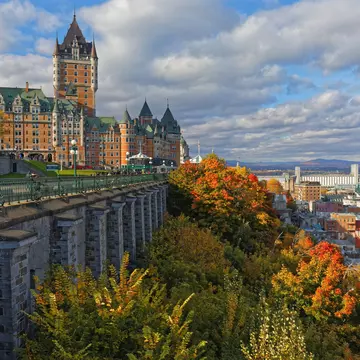
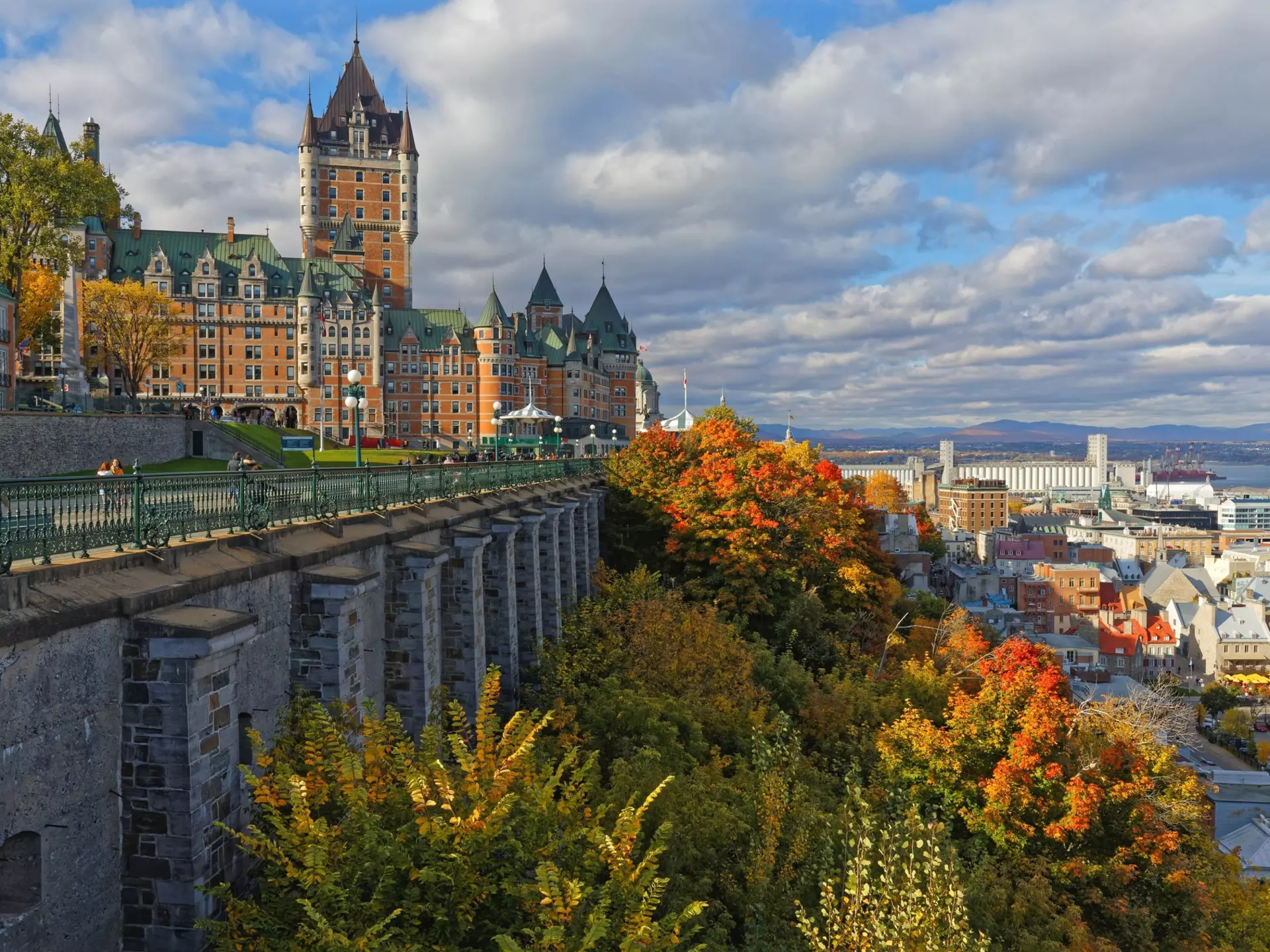
Québec City is one of the oldest European-founded settlements in Canada and the only walled city north of Mexico. It is also where the continent’s long-term fate was decided in a short, decisive battle between the British and French on the Plaines d’Abraham (Plains of Abraham) in 1759. You can absorb the historical details at the onsite Musée des Plaines d’Abraham, which explores that conflict through regalia and maps. Afterward, enjoy river views and a picnic in the adjoining park and finish off by visiting the imposing Citadelle de Québec, a fort built by the British atop old French defenses in the early 1800s.
Detour: Sandwiched between the Old Upper Town and the waterfront, the neighborhood of Petit-Champlain has the city’s most intriguing museums, along with plenty of outdoor cafes and restaurants lining its pedestrian-friendly streets.
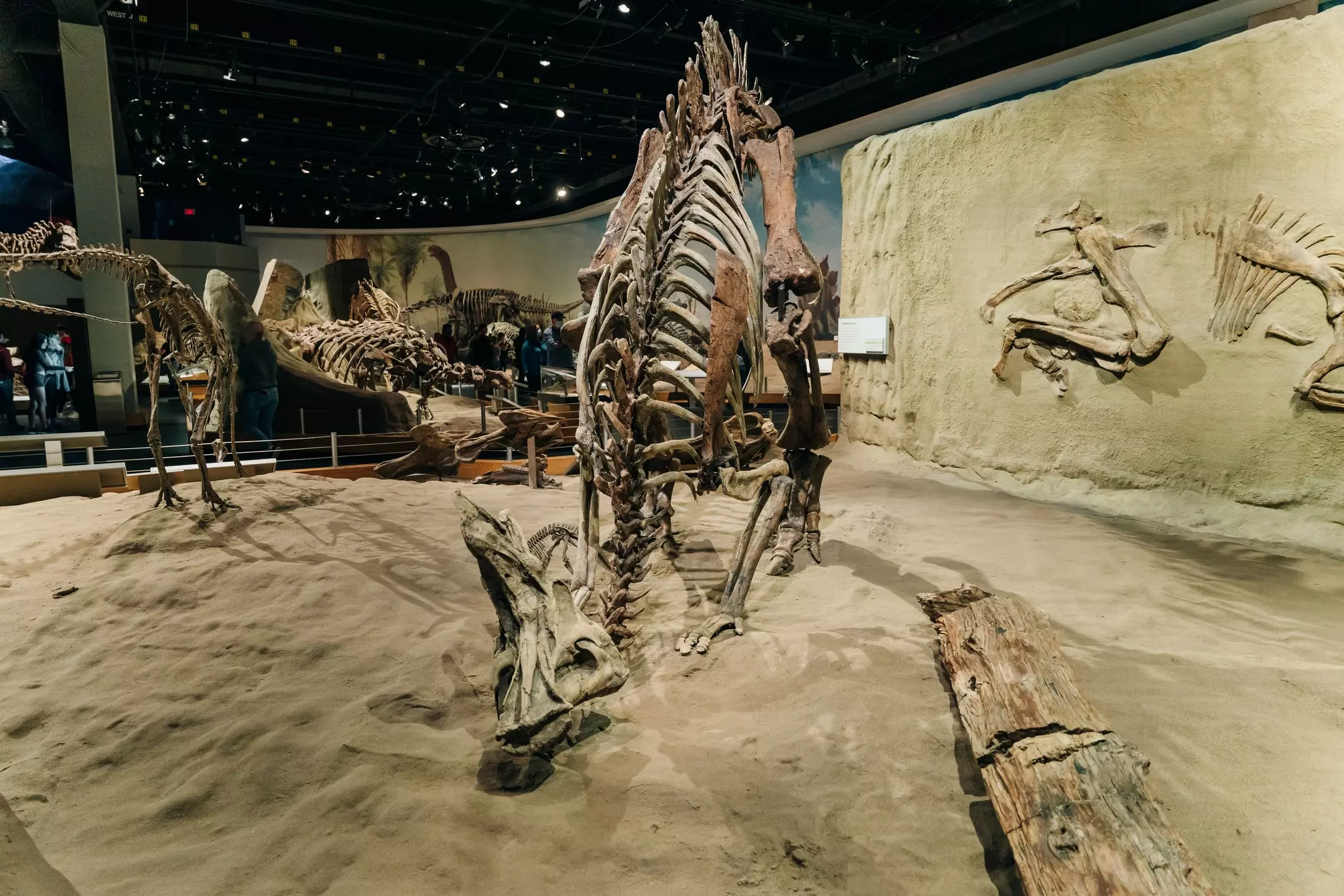
Paleontology is the overriding theme in dusty Drumheller, where the Royal Tyrrell Museum exhibits one of the planet’s preeminent fossil collections, many of them unearthed locally. On a slightly kitschier note, the city also exhibits the world’s largest dinosaur – a bulky fiberglass T. rex that visitors can climb up to peer through its open jaws.
Detour: Beyond the reptilian attractions, this arid pocket of eastern Alberta is famed for its classic Badlands scenery and eerie, mushroom-like rock columns called hoodoos. Several driving loops circumnavigate the striking geology.
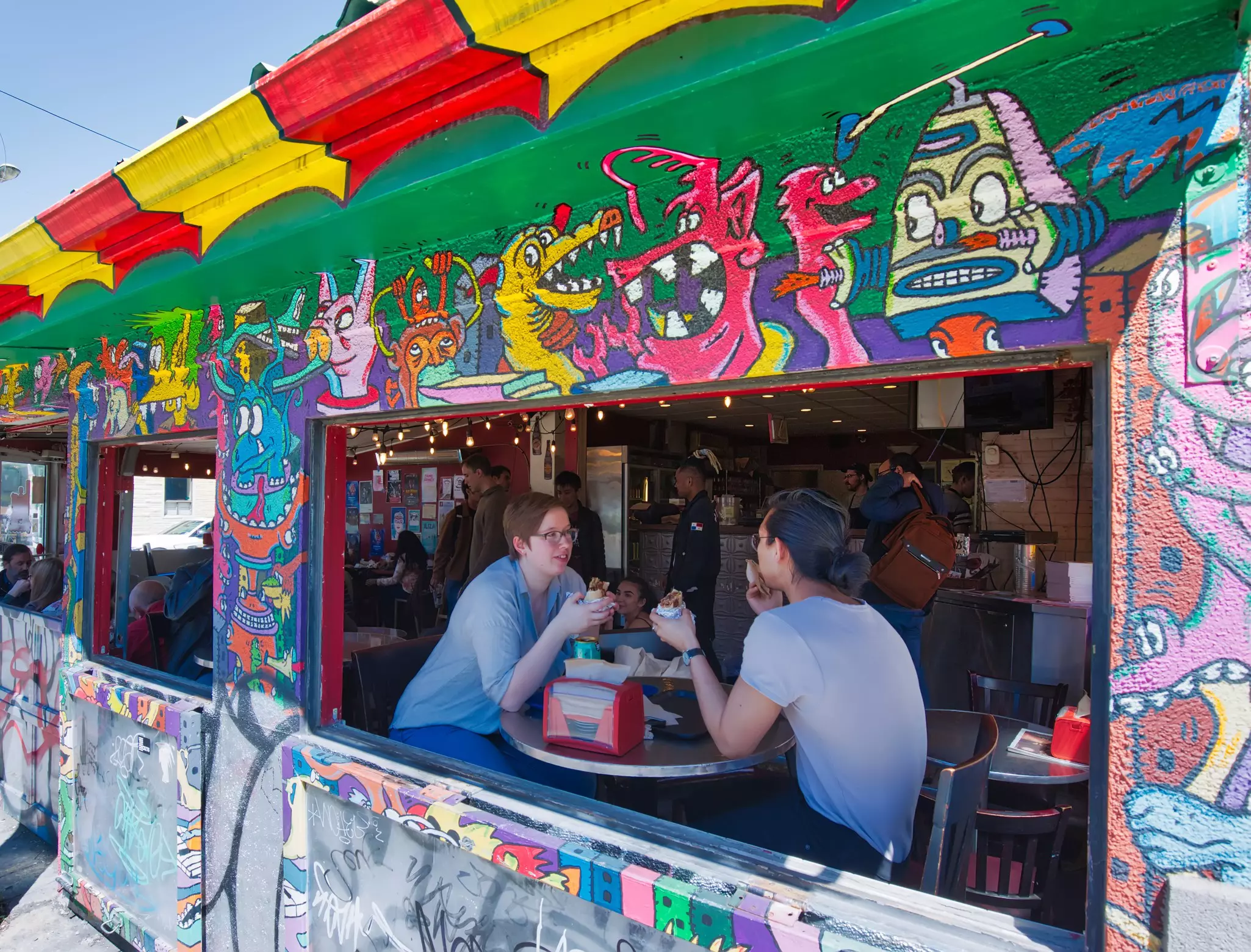
Comprising a complex potpourri of cultures and neighborhoods, Toronto is Canada’s urban colossus. This diversity finds its most delicious expression in the city’s food scene. The metropolis’s 7,000-ish restaurants represent a phenomenal range of tastes, cultures and experiences. You can explore, graze and experiment through a gamut of neighborhoods, from fine dining in the financial and entertainment districts to hole-in-the-wall eats in Kensington Market and Chinatown.
Detour: Old Town’s sensational St Lawrence Market has been a neighborhood meeting place for over two centuries. The restored, high-trussed South Market houses more than 120 specialty food stalls and shops – think cheese vendors, fishmongers, butchers, bakers, pasta makers and more.
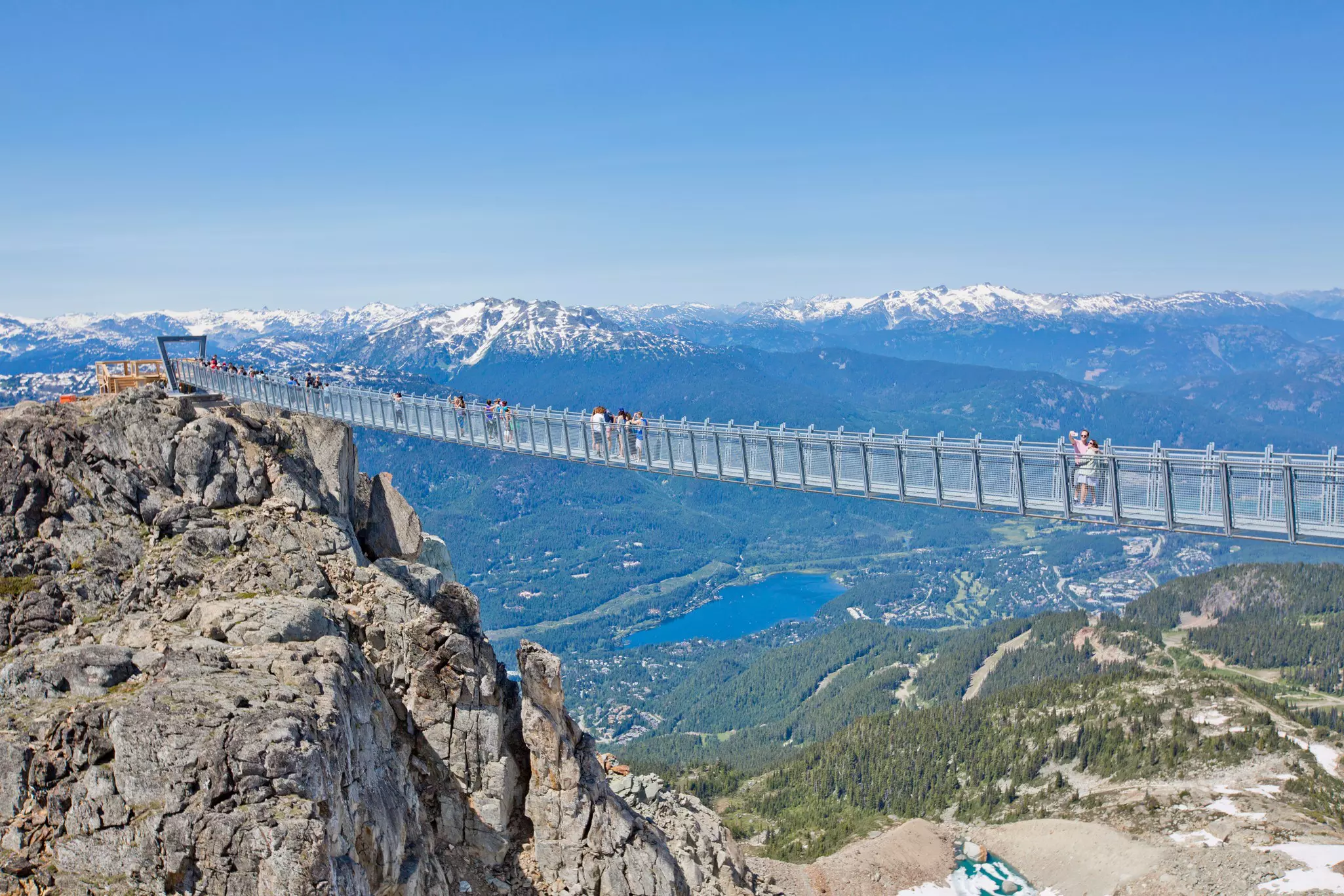
Cool, compact and ruggedly handsome, Whistler is the slick, alpine-style village that cohosted the 2010 Winter Olympics. Spread over two mountains and located a mere 120km (75 miles) north of Vancouver, Whistler has long been renowned for its humongous 8,171-acre ski area (one of the world’s largest). Yet these days – thanks to savvy marketing and subtle infrastructure adjustments – summer visitors outnumber their winter counterparts. Come in any season for instant access to a vast backcountry of wild mountains and recreational lakes.
Planning tip: Access to both Whistler and Blackcomb mountains is provided by high-speed gondolas, which are open year-round. Even better, the two mountaintops are linked by the world’s second-longest free-span gondola, the Peak 2 Peak.
Take your Canada trip with Lonely Planet Journeys
Time to book that trip to Canada
Lonely Planet Journeys takes you there with fully customizable trips to top destinations – all crafted by our local experts.

Explore related stories