go to content go to search box go to global site navigation

Québec

Things to do in Québec

  1. A

    Bières & Compagnie

    This relaxed pub has a great choice of European and local microbrews alongside excellent pub grub and mussels.

    reviewed

  2. B

    La Citadelle

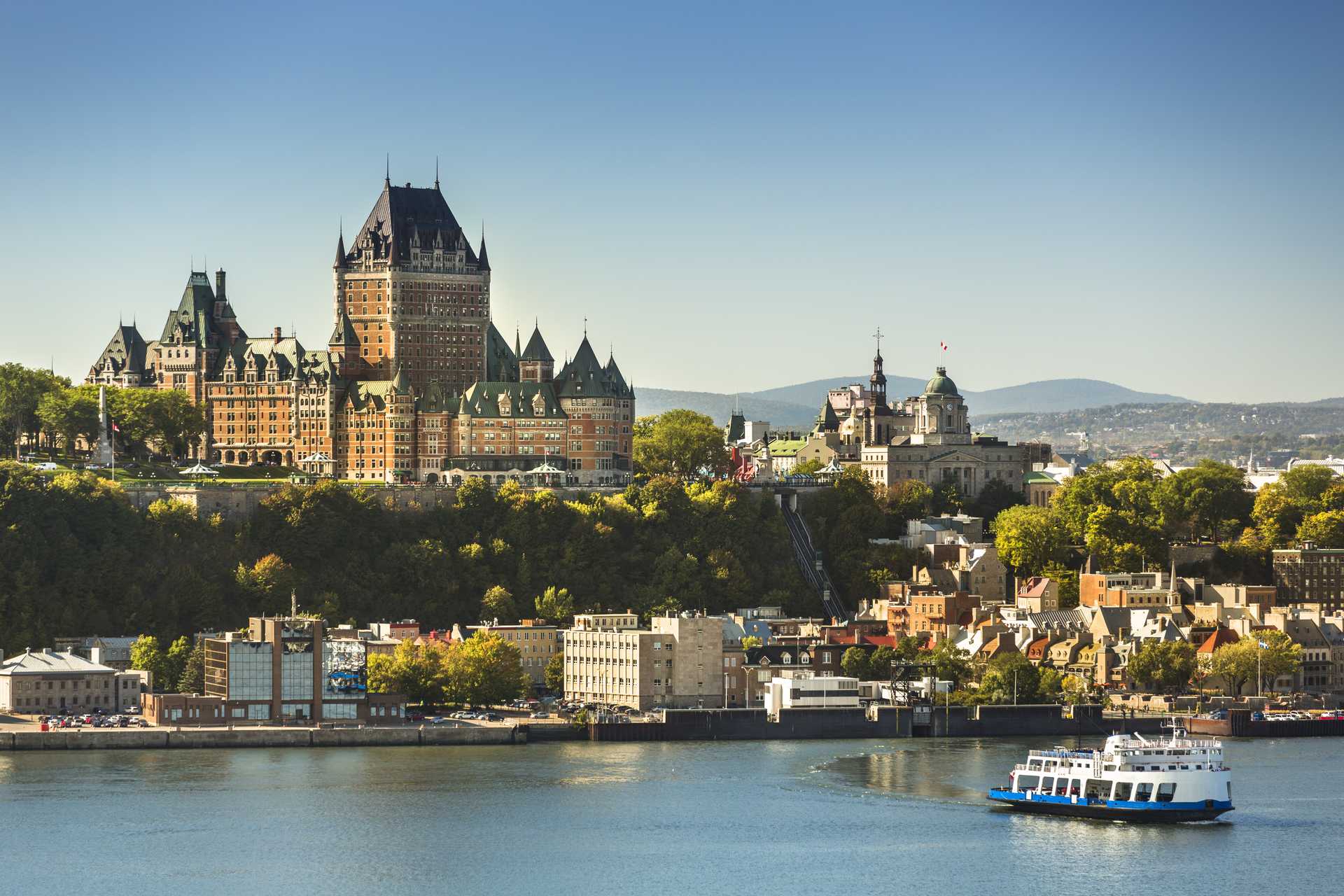
    This massive, star-shaped fort towers above the St Lawrence River on Cap Diamant. French forces started construction here in the late 1750s leaving a gunpowder building and a redoubt, the beginnings of a defensive structure. But the Citadelle we know today was actually built by the British, who feared two things: an American invasion of the colony and a possible revolt by the local French-speaking population (that’s why the cannons point not only at the river, but at Québec City itself). However, by the time the Citadelle was completed (construction began in 1820 and was finished about 30 years later) things were calming down. Twenty years later, in 1871, the Treaty of…

    reviewed

  3. C

    Basilique Notre-Dame

    The grand dame of Montréal’s ecclesiastical treasures, this basilica is a must-see when exploring the city. The looming neo-Gothic church can hold up to 3000 worshippers and houses a collection of finely crafted artworks, including an elaborately carved altarpiece, vibrant stained-glass windows and an intricate pulpit. The Sulpicians had an ever-growing congregation and no one in the soon-to-be Canadian colonies schooled in neo-Gothic architecture. So they commissioned James O’Donnell, a New York architect and Irish Protestant, to design what would be the largest church north of Mexico. Such was O’Donnell’s dedication to the project that he converted to Catholicism so he…

    reviewed

  4. D

    Musée National des Beaux-Arts du Québec

    Anyone curious about Québec art needs to carve out at least half a day for a visit to this museum, one of the best in the province. There are expert permanent exhibitions that range from art and artists in the early French colonies to Québec’s abstract artists. There are also individual halls devoted entirely to the province’s artistic giants of the last century. The do-not-miss permanent exhibitions include one devoted to Jean-Paul Lemieux (1904–90) and another to Jean-Paul Riopelle (1923–2002), which includes L’hommage à Rosa Luxemburg (Tribute to Rosa Luxemburg; 1986), his largest work. The Brousseau Inuit Art Collection of 2639 pieces spanning 50 years…

    reviewed

  5. E

    Musée des Beaux-Arts

    Montréal's Museum of Fine Arts, the oldest in the country and the city's largest, is housed in two buildings: the classical, marble-covered Michal and Renata Hornstein Pavilion, and the modern annex across the street, the Jean-Noël Desmarais Pavilion. The latter plays host to works by European and Canadian masters but also ancient artifacts from Egypt, Greece, Rome and the Far East; Islamic art and works from Africa and Oceania.

    The Old Masters collection has paintings from the Middle Ages stretching through the Renaissance and classical eras up to contemporary works. Exhibitions change but some great painters (such as Rembrandt, Picasso or Matisse) and sculptors (Henry…

    reviewed

  6. F

    Hôtel du Parlement

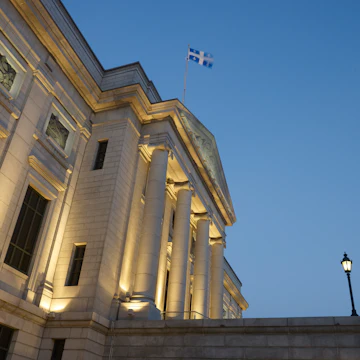
    The National Assembly building is a Second Empire structure completed in 1886. It’s home to the Provincial Legislature. Free tours are given in English and French year-round. The 30-minute visits get you into the National Assembly Chamber, the Legislative Council Chamber and the Speakers’ Gallery. The facade of the building is decorated with 23 bronze statues of significant provincial historical figures, including explorer Samuel de Champlain (1570–1635), early New France governor Louis de Buade Frontenac (1622–98) and battle heroes like James Wolfe (1727–59) and Louis-Joseph Montcalm (1712–59), the English and French generals who met, fought and received mortal…

    reviewed

  7. Vignoble l'Orpailleur

    Ice wine was discovered in Germany by accident, when growers found that pressing wine grapes after they froze on the vine left a sweet, highly concentrated juice. Ice wine results when this juice is left on the vine to ferment, creating one of the most coveted dessert wines on the market; it’s so expensive because of the amount of grapes that need to be pressed for enough juice to be extracted. Ontario-produced varieties are the out-and-out stars of this luxury sweet-treat, but the Québec-produced kinds are starting to give them a run for their money. If you’re doing the winery tour in the Eastern Townships, you’ll come across many, fascinating local varieties. In Dunham,…

    reviewed

  8. G

    Musée Ferroviaire Canadien

    The Canadian Railway Museum contains more than 150 historic vehicles, ranging from locomotives, steam engines, Old Montréal streetcars and passenger cars to snow plows. It’s widely acknowledged as one of North America’s most outstanding collections. Not particularly well known by Montrealers, this museum gets raves from those who make the trek, especially families, and many claim it’s the best museum in the Montréal area. The aerodynamic steam engine Dominion of Canada broke the world speed record in 1939 by clocking over 200km/h. A special sight is Montréal’s famous Golden Chariot, an open-air streetcar with tiers of ornate seats and gilt ironwork. Another…

    reviewed

  9. Québec Kebs

    The city’s brand-new basketball team, the Québec Kebs play at the 5000-seat stadium of Pavillon de la Jeunesse. In the Atlantic division of the Premier Basketball League, the Kebs play from December through March. Incidentally, the logo of the Kebs (a jumping frog that goes by the name ‘Dunky’) is a still a sore spot for some locals. ‘Frog’ has long been a derogatory name the English have used for French-speaking people and some consider it racist. When the man behind bringing the franchise to Québec City, businessman Réal Bourassa, said the new team name would be either the Québec Jumping Frogs or Kebekwa (how Québécois is pronounced in English), the uproar was heard…

    reviewed

  10. H

    Musée d'Archéologie et d'Histoire Pointe-à-Callière

    Built on the very spot where European settlers set up their first camp, the Pointe-à-Callière Museum of Archaeology & History provides a good overview of Montréal's beginnings. Visitors should start with Montreal, Tales of a City a 20-minute multimedia show that illustrates the centuries with the aid of film, hologram characters and real drizzle.

    For the most part the museum is underground. Head to the archeological crypt in the basement where you can explore the remains of the city's ancient sewage and river system and the foundations of its first buildings and first public square. Interactive exhibits include video monitors that allow visitors to ask questions of the…

    reviewed

  11. Advertisement

  12. TOHU

    If you decide to take a jaunt to Montréal’s circus mecca in its working-class St-Michel district, be prepared to be wowed. This innovative complex TOHU (which comes from the French expression tohu-bohu, for hustle and bustle), includes an arena designed only with the circus arts in mind, Cirque du Soleil’s international headquarters and artists’ residence and the National Circus School. Moreover, it was built on the sight of North America’s second largest waste dump and the whole complex is now powered completely by methane gas from the landfill garbage beneath it.

    You can visit the complex on your own (via guided audio tour), or on a guided 90-minute tour. TOHU…

    reviewed

  13. I

    Parc Nature du Cap-St-Jacques

    Arguably the most diverse of Montréal’s nature parks, Cap-St-Jacques has a huge beach, 27km of trails for hiking and skiing, a farm and even a summer camp. The maple and mixed deciduous forest in the interior is a great patch for a ramble, and in spring a horse-drawn carriage brings visitors to a sugar shack to watch the maple sap boil. On the north shore there’s the Eco-Farm, a working farm with two barns and horses, pigs and chickens, as well as a large greenhouse for viewing. Picnic tables abound and a restaurant serves the farm’s produce. The beach is a comfortably wide stretch of fine white sand, and the shallow water is wonderful for splashing with kids, but…

    reviewed

  14. J

    Cathedral of the Holy Trinity

    Built from 1800 to 1804, this cathedral was designed by two officers from the British army’s military engineering corps and modeled on St Martin-in-the-Fields Church in London, England. This elegantly handsome Anglican cathedral was the first ever built outside the British Isles, with oak imported from Windsor Castle’s Royal Forest just to make the pews. Upon its completion, King George III sent the cathedral a treasure trove of objects, including candlesticks, chalices and silver trays. The elaborateness of the gifts heading toward the New World sent London’s chattering classes atwitter. The royal box for the reigning monarch or her representative is located in the upper…

    reviewed

  15. K

    Place-D’armes

    This square is framed by some of the finest buildings in Old Montréal, including its oldest bank, first skyscraper and Basilique Notre-Dame. The square’s name references the bloody battles that took place here as religious settlers and First Nations tribes thrashed out control of what would become Montréal. At its center stands the Monument Maisonneuve, dedicated to city founder Paul de Chomedey, sieur de Maisonneuve. The red sandstone building on the east side of the square is the New York Life Insurance Building, Montréal’s first skyscraper (1888). It’s said to be built with the blocks used for ballast on ships bringing goods to Montréal. Next door, the Aldred…

    reviewed

  16. Rue St-Jacques

    Known as the Wall Street of Canada into the 1930s, Rue St-Jacques was lined with the head offices of insurance companies and banks that proclaimed Montréal’s prosperity for the best part of a century. In those days it was known as St James Street.

    Some great edifices are veritable temples to capitalism. The 1902 Guardian Insurance Building has helmeted women guarding the entrance while lions and mermaids watch over on the 2nd floor. The Molson Bank Building looks more like a royal residence; heads of founder William and his two sons grace the doorway.

    The most glamorous of the lot is the Royal Bank Building, the city’s tallest building (22 stories) when it was built in…

    reviewed

  17. L

    Musée des Ursulines

    The fascinating story of the Ursuline nuns’ lives and their influence in the 17th and 18th centuries is told in this thoughtful, well-set-out museum. The sisters established the first girls’ school on the continent in 1641, educating both aboriginal and French girls. Marie de l’Incarnation, the founder, was one of the most intriguing figures from the order. Leaving a young son in France after she was widowed, she joined the Ursulines and moved to New France and lived well into old age. She taught herself aboriginal languages and her frequent and eloquent letters to her son back in France are held by historians to be some of the richest and most valuable material available…

    reviewed

  18. M

    Maison St-Gabriel

    This magnificent farmhouse in Pointe St-Charles is one of the finest examples of traditional Québec architecture. The house was bought in 1668 by Marguerite Bourgeoys to house a religious order. Young women, called the Filles du Roy, who were sent from Paris to Montréal to find husbands also stayed here. The 17th-century roof of the two-story building is of particular interest for its intricate beam work, one of the few of its kind in North America. The museum has an excellent collection of artifacts going back to the 17th and 18th centuries, with unusual items including sinks made from black stone and a sophisticated water-disposal system. It all gives visitors a…

    reviewed

  19. Parc des Champs de Bataille

    One of Québec City’s must-sees, this verdant, cliff-top park contains the Plains of Abraham. This was the stage for the infamous 1759 battle between British General James Wolfe and French General Montcalm that determined the fate of the North American continent. The park, named for Abraham Martin, a Frenchman who was one of the first farmers to settle in the area, is packed with sites, old cannons, monuments and commemorative plaques. It also has a fine multimedia history museum and several impressive fortification towers (one with a small military museum inside). The park is also a draw for locals, who come for outdoor activities such as running, in-line skating and,…

    reviewed

  20. N

    Château Dufresne

    Brothers Oscar and Marius Dufresne commissioned this beautiful beaux-arts mansion, along the lines of the Versailles Palace in France, in 1916 and moved in with their families – Oscar on one side and Marius on the other. The interiors are stunning – tiled marble floors, coffered ceilings in Italian Renaissance style, stained-glass windows –and are open for the public to explore. Italian artist Guido Nincheri was in charge of interior decoration and painted many murals, including one of dainty nymphs in the Petit Salon. Marius’ side of the building is furnished in a more masculine style, with a smoking room fitted to look like a Turkish lounge with hookah pipes. The…

    reviewed

  21. O

    Château Ramezay

    A home of French governors in the early 18th century, this mansion is one of the finest examples from the ancien régime. It was built for the 11th governor, Claude de Ramezay, and includes 15 interconnecting rooms with a ballroom of mirrors and mahogany galore. Ramezay went broke trying to maintain it. American generals used it as a headquarters during the revolution, and Benjamin Franklin stayed here attempting (and failing) to convince the Canadians to join the cause. In 1903 turrets were added to give the ‘château’ its fanciful French look. The building is a repository of Québec history with a collection of 20,000 objects, including valuable Canadian art and furniture.…

    reviewed

  22. Advertisement

  23. En Prison

    Leaving from Musée Québécois de Culture Populaire are the highly recommended 90-minute tours of the former Trois-Rivières prison, En Prison (Tel: 819-372-0406; www.enprison.com; 200 Rue Laviolette; adult/child/student $9/5/7; first tour 10am, last tour 4:45pm Jun-Aug).

    When it closed in 1986 it was the oldest continually in-use jail in Canada. The tours are led by former convicts – perhaps the only job in Canada where a criminal record is a prerequisite. The tours cover not only the history of this particular prison but life in Canada’s prisons in general. It’s fascinating but at times rather disturbing stuff, and guides try to lighten things up a bit by throwing in a…

    reviewed

  24. P

    Martello Tower 2

    Martello Tower 2 is open to the public only during staged events, like the Convict’s Last Drink. This lively interactive theater (in English) gives a taste of 19th-century justice. It features a mock trial of a soldier accused of a crime, and the audience will decide his fate while – and this is the important part – sampling homemade beers. Because alcohol is served, those under 18 must be accompanied by an adult; reserve through the Discovery Pavilion or by phone. A French-language version (La Dernier Verre) takes place at 6:30pm daily (mid-July to early September). Other shows include an ‘1814, council-of-war-style’ feast (adult/child $35/32), during which diners must…

    reviewed

  25. Quebec City and Montmorency Falls Day Trip from Montreal

    Quebec City and Montmorency Falls Day Trip from Montreal

    12 hours (Departs Montreal, Canada)

    by Viator

    Leave Montreal for the day and visit Quebec City, the historic heart of French Canada. You'll take a full day sightseeing tour through Quebec with a local…

    Not LP reviewed

    from USD$107.85
  26. Quai Alexandra & Around

    This eastern-most pier in the port is home to the Iberville Passenger Terminal, the dock for cruise ships that ply the St Lawrence River as far as the Magdalen Islands out in the Gulf of St Lawrence.

    Nearby the Parc des Écluses (Park of Locks) holds exhibitions of landscape architecture, shows and concerts. A bicycle path starts here and runs south-east along the pretty Canal de Lachine.

    The abandoned 17-story-tall concrete silo on the south side of the locks is the last big relic of Montréal’s heyday as a grain port. On the promenade just west of Café des Éclusiers is the Silo Phone, a set of speakers and microphones hooked up to the grain silo across the locks.…

    reviewed

  27. Q

    Parc du Mont Royal

    Montréalers are proud of their 'mountain,' the work of New York Central Park designer Frederick Law Olmsted. It's a sprawling, leafy playground that's perfect for cycling, jogging, horseback riding, picnicking and, in winter, cross-country skiing and tobogganing. In fine weather, enjoy panoramic views from the Kondiaronk Lookout near Chalet du Mont-Royal, a grand old stone villa that hosts big-band concerts in summer, or from the Observatoire de l'Est, a favorite rendezvous for lovebirds. It takes about 30 minutes to walk between the two. En route you'll spot the landmark 40m-high Cross of Montréal (1924), which is illuminated at night. It's there to commemorate city…

    reviewed