Mar 25, 20269 min read
Everything you need to know before traveling to Québec City Sep 18, 2025
7 MIN READ

Writer
Writer
Cobblestone streets, citadels and canons perched atop fortress walls are unexpected sights in North America – but you can find all of that and more in Québec City.
The capital of French Canada, Québec City is known for its 400+ years of colonial history, and yet the only walled city north of Mexico also has a young lifeblood. From wild festivals to a spectacular waterfall to an illuminated night walk showcasing Indigenous history, here are the best things to do in Québec City.
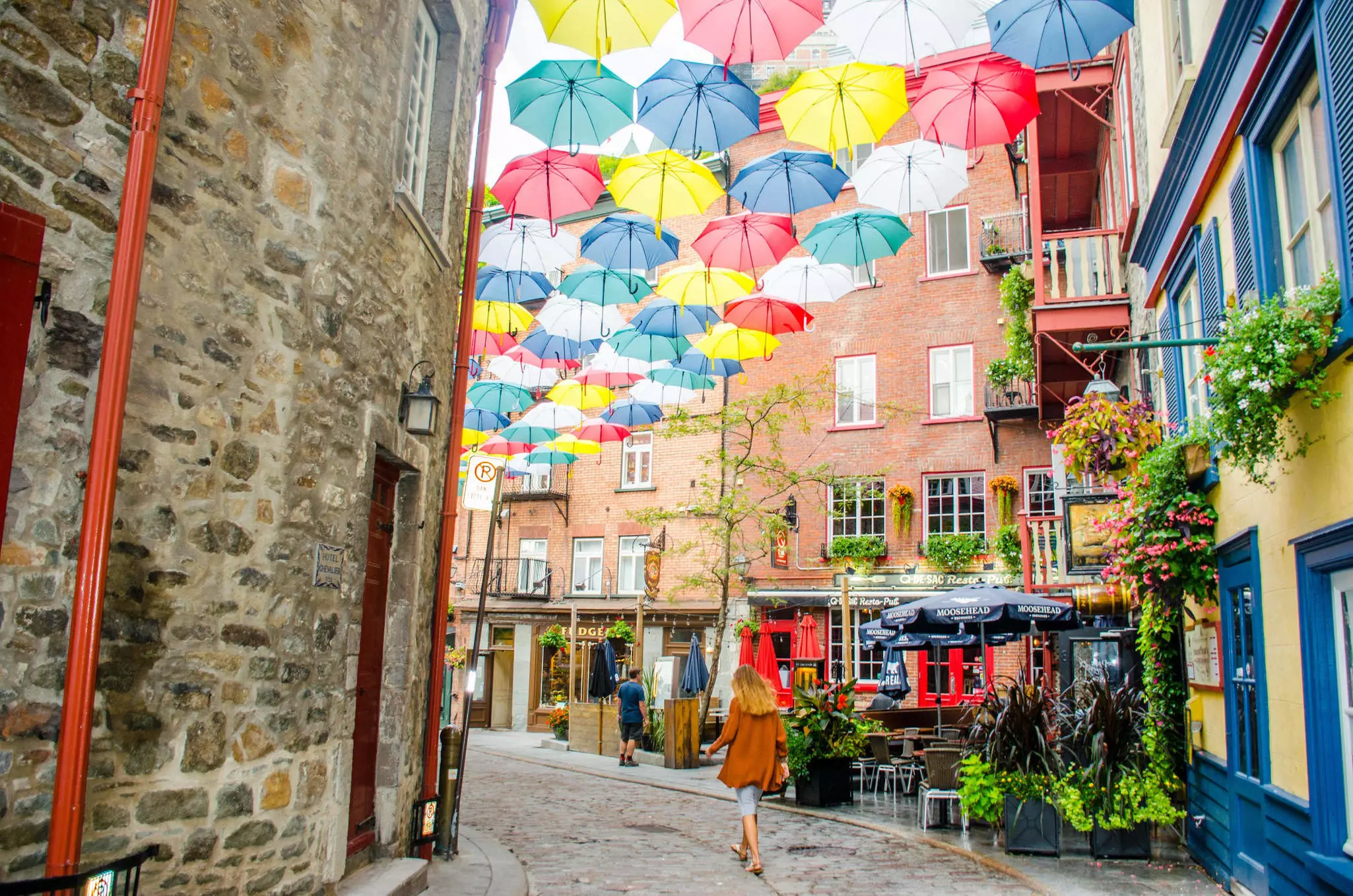
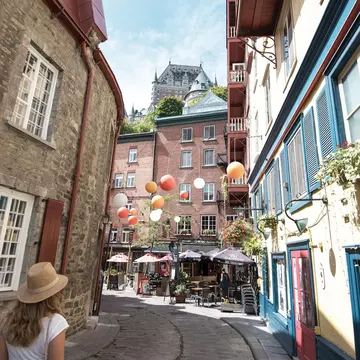
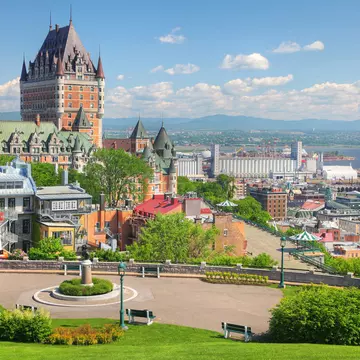
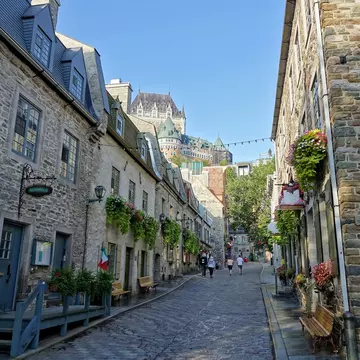
Sure, Old Québec is where the tourists go, and the 19th-century Fairmont Le Château Frontenac Hotel is probably one of the most photographed accommodations on earth, but you simply can’t visit Québec City and skip the UNESCO-recognized Old Town – it’s far too beautiful.
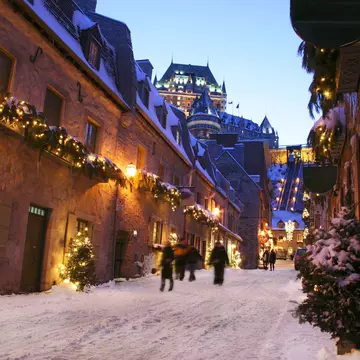
Bigger and older than Montréal’s Old Town, Vieux Québec has an upper and a lower portion. Old Upper Town includes the Le Château Frontenac and Dufferin Terrace, where cannons above an archeological crypt deter any would-be hordes. If you're around in winter, slide down Les Glissades de la Terrasse, which has been hosting toboggan rides for nearly 150 years.
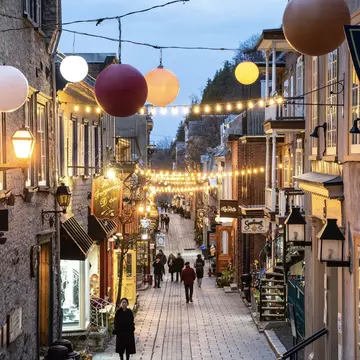
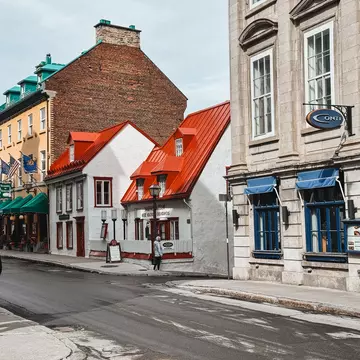
Old Lower Town is more charming and perfect for a winding meander. Strolling the streets sounds simple, until you’re enticed by charming artisanal boutiques and splurge-worthy restaurants like Le Lapin Sauté, a restaurant starring rabbit meat.
Québec is the highest-taxed province in Canada, but it uses some of those funds to support the arts, including incredible festivals year-round.
In July, Festival d’Été is a 9-day festival with stages across the city, including on the Plains of Abraham, where a 1759 battle between France and England decided the fate of North America. Comparatively speaking, Festival d’Été hosts artists from around the world at an affordable price – for instance, 2025's full festival pass cost $165 and gave access to all 11 days of music.
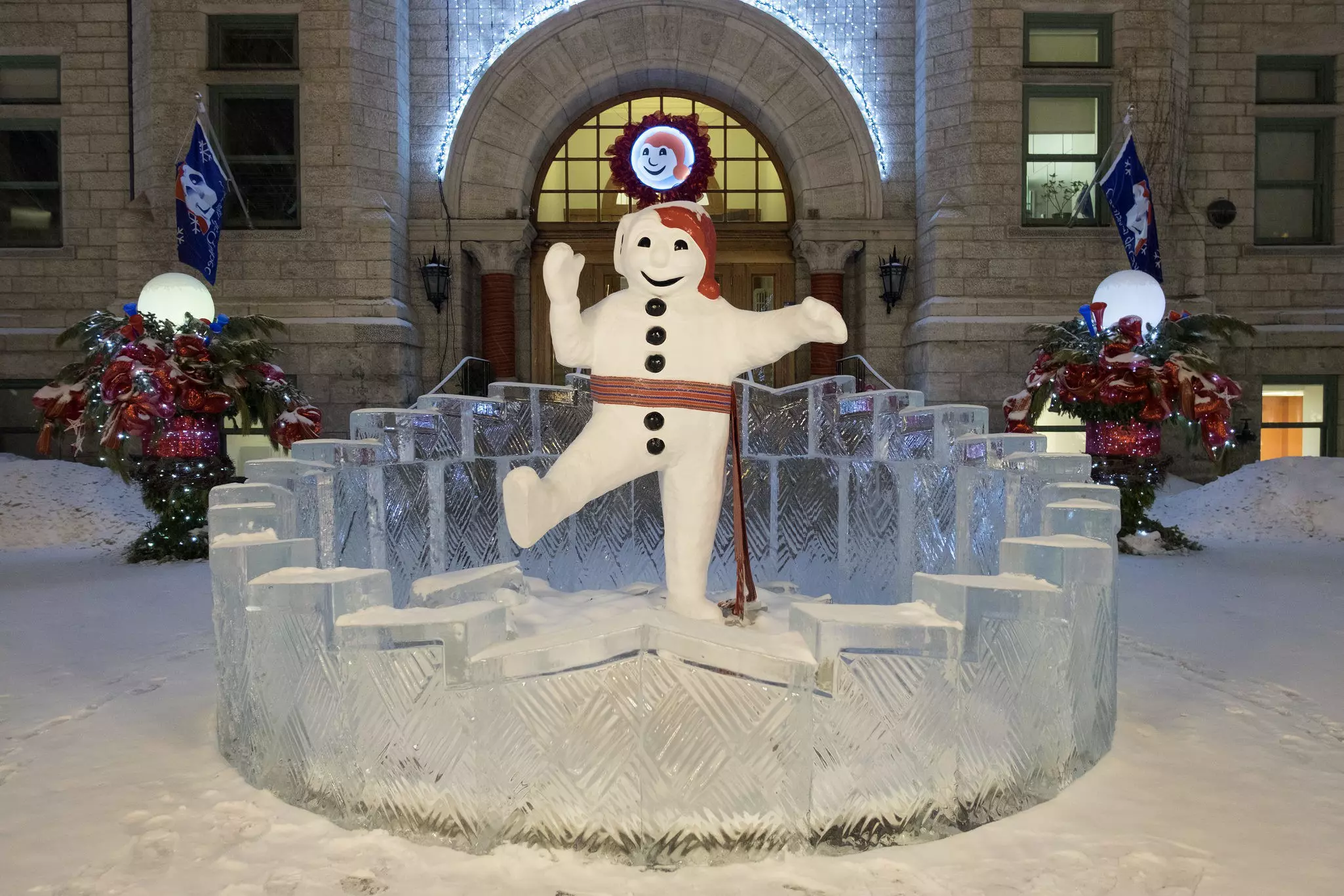
Come February, Québec’s Bonhomme opens his arms wide to travelers at Winter Carnaval, the world’s oldest winter carnival. Yes, it gets cold, but you’ll keep warm skating, dancing in night parades or sipping Caribou – a traditional boozy punch.
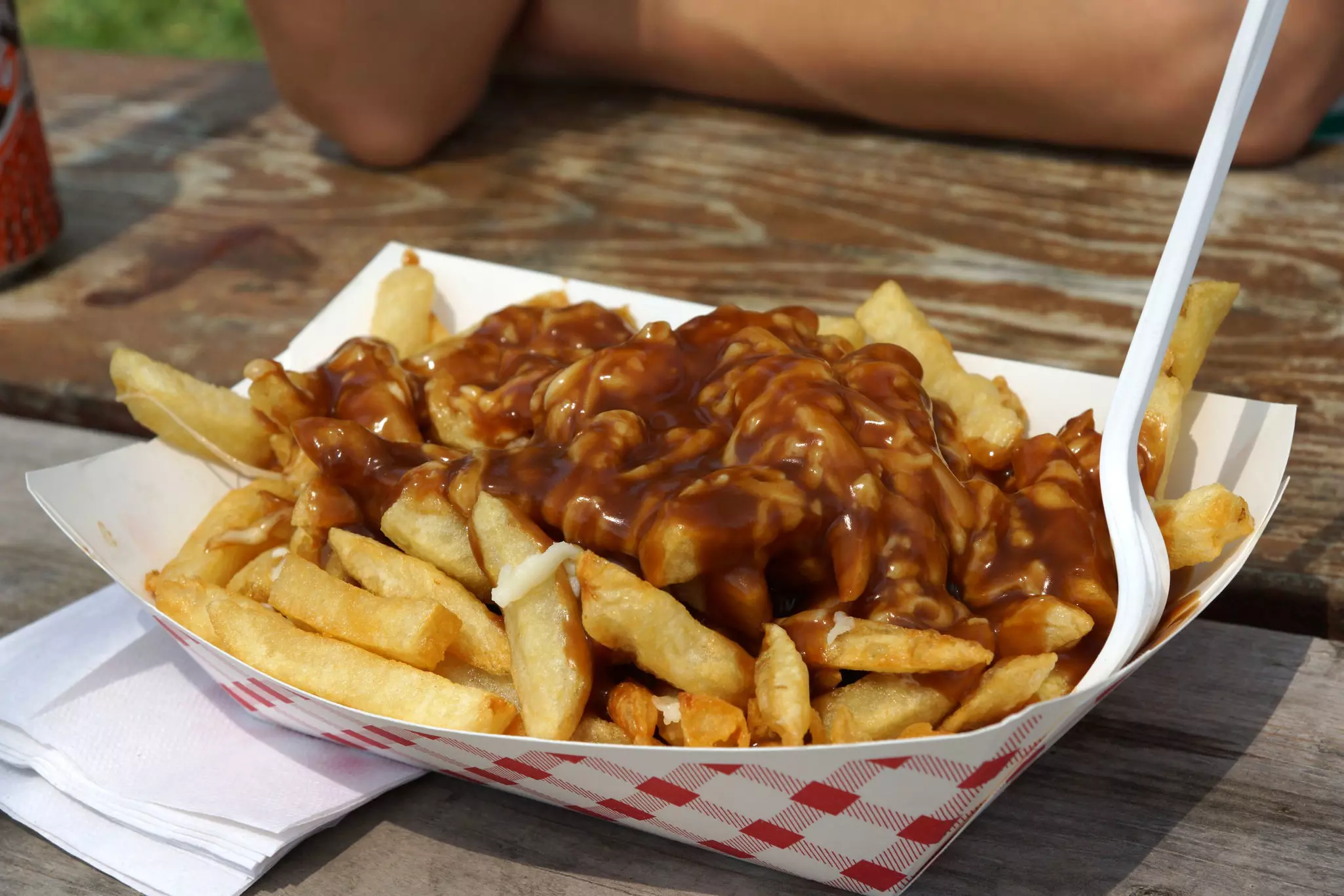
Canada's national dish is poutine – squeaky cheese curds and gravy dumped over golden-brown fries – and you’ll find it on pretty much any menu in town. If you ask around, you’ll probably get plenty of recommendations to try Chez Gaston, a no-frills traditional casse-croute (takeaway) in the Saint-Roch neighborhood, but in a pinch, Québec City’s version of McDonald’s, Chez Ashton, is open 24 hours and has locations around the city.
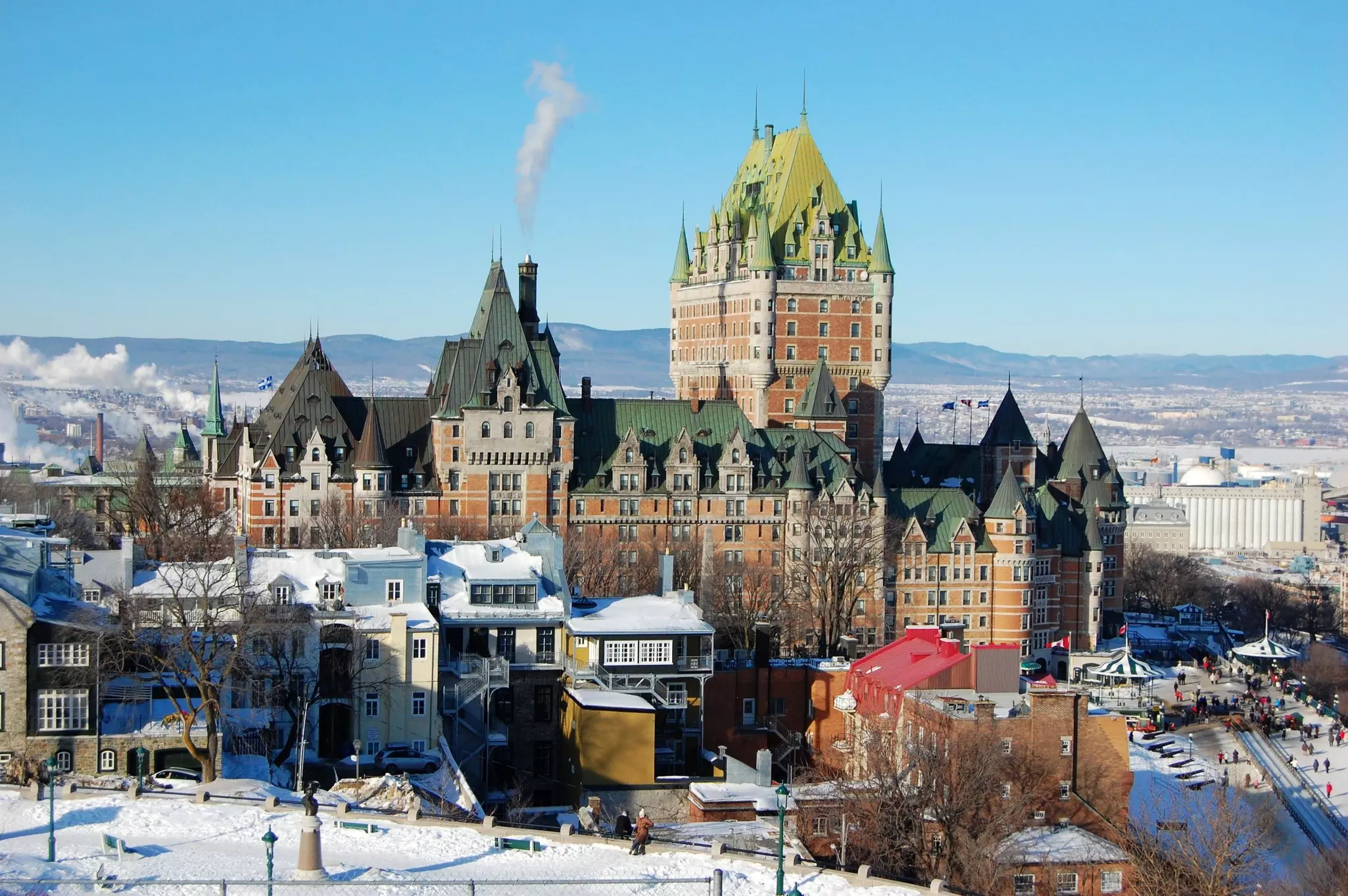
Quebeckers love a good charcuterie setup as much as anyone in France, so provisions won't be hard to come by. Grab some local cheeses, sausages, wine and a baguette and take it all up to Pierre-Dugua-De-Mons Terrace for a picnic – the view over the city from the park benches is spectacular. Plus, you’ll be right next to the largest fort in North America, La Citadelle, which also hosts a museum dedicated to the Royal 22nd Regiment, a mostly francophone infantry regiment of the Canadian Army.
Summers can be filled with tough dilemmas, such as whether to sit in an Adirondack lounge chair to sip your drink or dunk your feet in the pool. La Cour arrière solves that problem by letting you do both. Its Québec City location offers live music and Mexican food to complete the scene. Its Lévis location just across the bridge from Québec City has beach volleyball and a two-story terrace, great for watching the cruise ships come in. (Take the ferry across the St Lawrence for even more scenery.)
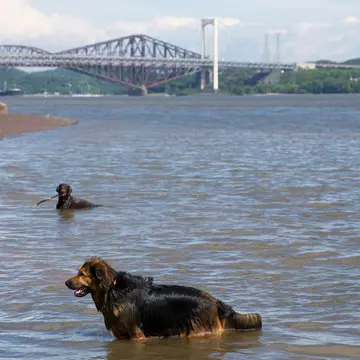
Or try La Cale du Port de Québec along the St Lawrence River for another Adirondack chair pool soak. You can pack your own picnic or purchase food there. Though you can't bring your own alcohol, there are plenty of cocktail, beer and wine choices available to order.
If you want to get off the beaten track and experience Québec City like a local, leave the Old Town.
In the St-Roch neighborhood, go shopping along St-Joseph during the day and grab dinner at the adorably named L’affaire Est Ketchup. Then catch an indie-rock show at L’Anti at night – the bar serves local craft beer, incandescent cocktails and steamy hot dogs. Or for a taste of Québec City’s finer arts, check out Théâtre la Bordée, which puts on five French-language plays per season.
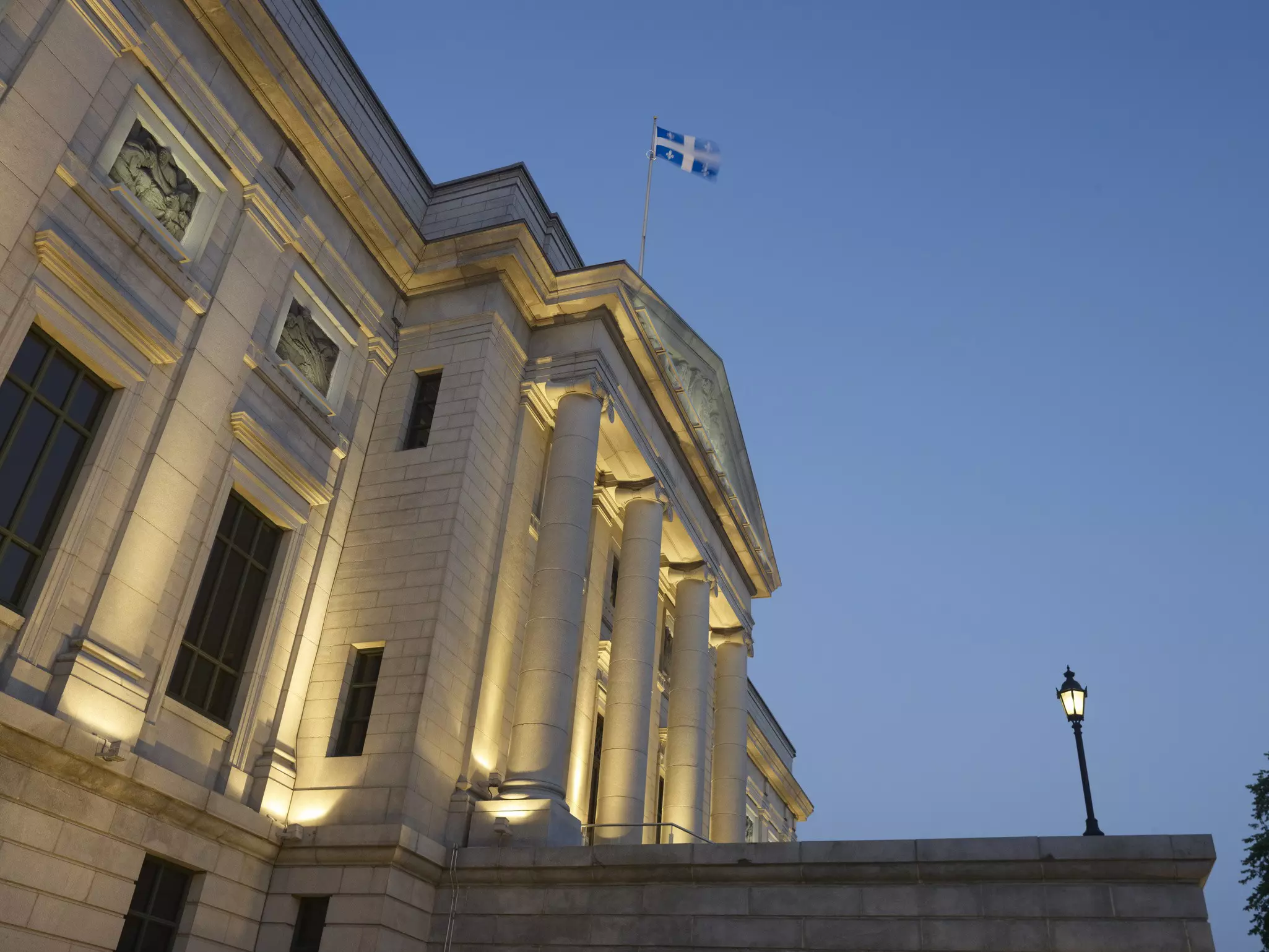
The St-Jean-Baptiste neighborhood is another area worth visiting. It has cute shops and bistros galore, along with a great pub terrace at Le Sacrilège. West of the Old City in the Montcalm neighborhood, you’ll find Musée National des Beaux-Arts du Québec, arguably the city’s finest museum both literally and figuratively.
Québeckers are very active, and the capital has done a great job at paving plenty of bike trails. From the Old Port, bike northwest to the Corridor de la Rivière-Saint-Charles, a 9km loop along the banks of the Saint-Charles River.
For another pretty ride, take Boulevard Champlain from the Old Port and ride along the Saint Lawrence River; decide which yacht is your favorite as you cycle along.
For the ambitious cyclist, Québec City is a stop on La Route Verte, the longest network of bike trails in North America that stretches nearly 4830km through Ontario, Québec, the northeastern US and the Maritimes.
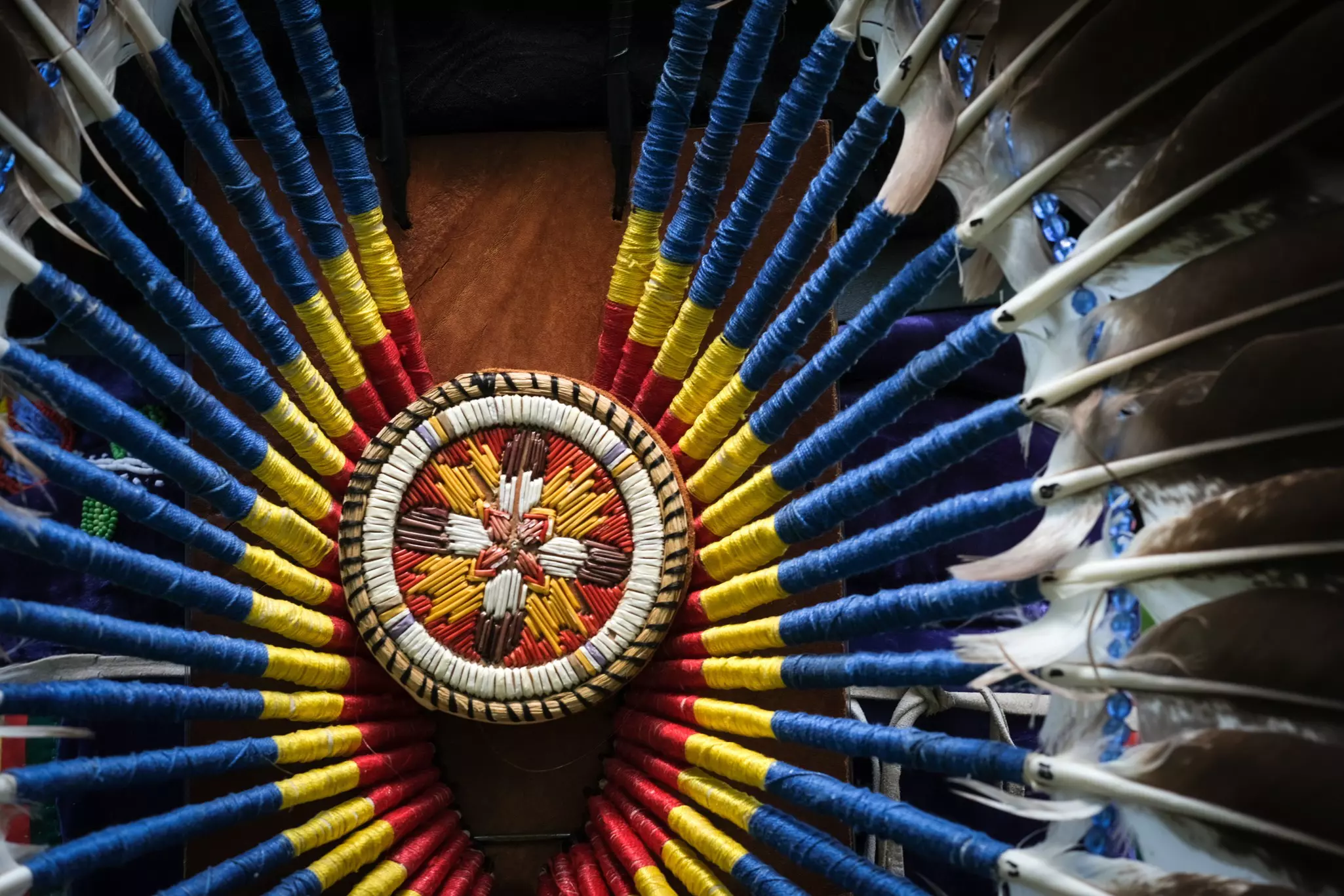
Of course, while Québec City was founded by Samuel de Champlain in 1608, Indigenous peoples lived there for thousands of years prior. Today, you can learn about the history and contemporary culture of the Huron and Wendat people at the Wendake urban reservations, about 20 minutes north of the city. There you’ll find plenty of craft shops to support local Indigenous artists, as well as the Huron-Wendat Museum, which has a great collection of artifacts.
Wendake also hosts Onhwa’ Lumina, an illuminated 244m night walk in partnership with international interactive-exhibit company Moment Factory, so definitely don’t miss that.
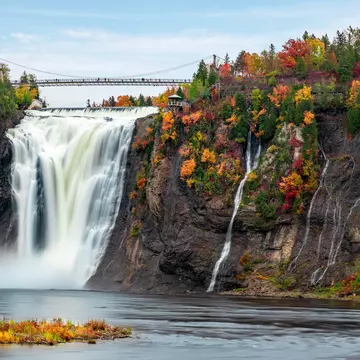
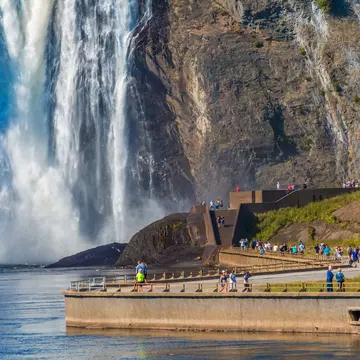
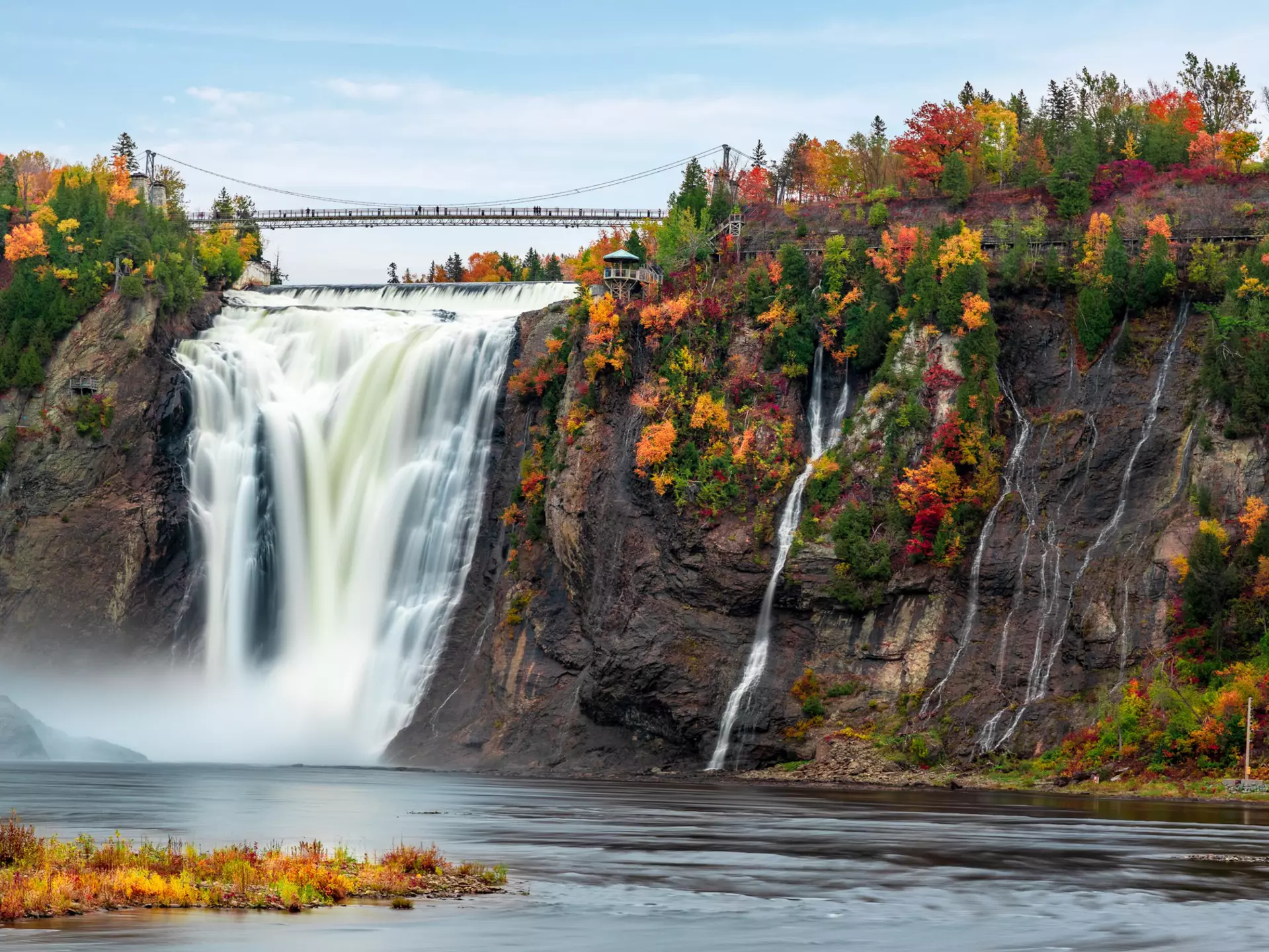
Just northeast of Québec City is a massive 83m waterfall, Chute Montmorency, which gushes powerful inland river water into the Saint Lawrence River. Once you enter the provincial park (called a parc national in Québec), there are some lovely nature walks less than 3km long that will help you find the perfect shot of the cascade.
For the adrenaline seekers out there, Montmorency Falls also has a 300m zipline that runs right in front of the raging whitewater.
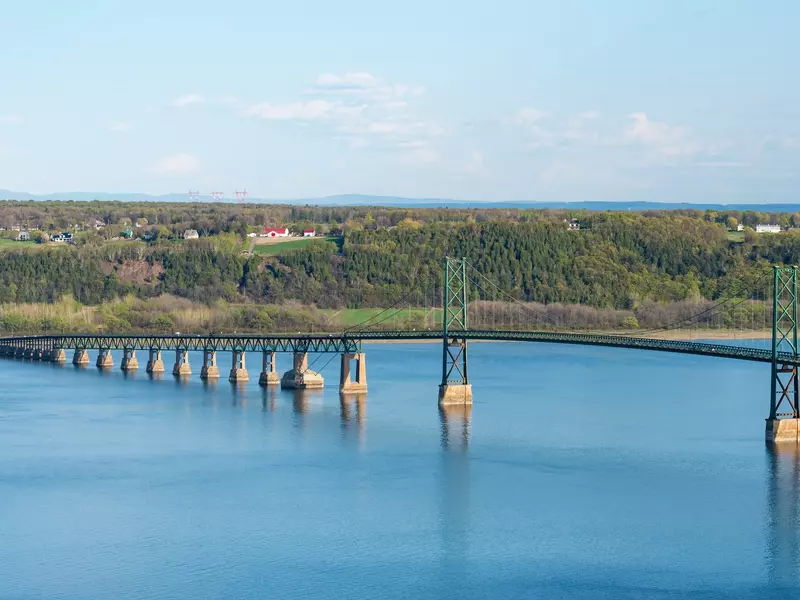
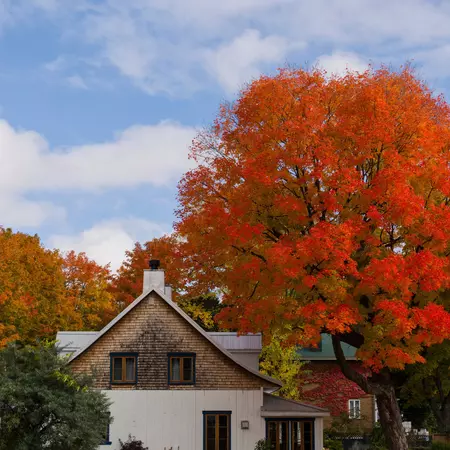
Across a short bridge from Québec City is a gorgeous 259-sq-km island called Île d’Orléans, home to 7000 people spread across six cute villages, all with their own unique vibes.
Visiting is a great way to spend a day. While on the island, indulge at the Chocolaterie de L'Île d’Orléans and do an ice-wine tasting – a Québec tradition that involves making wine out of frozen grapes – at Vignoble Isle de Bacchus.
Before bidding adieu to the Québec capital, hop on a ferry across the St Lawrence River to Lévis. The 12-minute ride allows for great photos of the old city and takes you across to Lévis, which has a picturesque quay perfect for grabbing an ice cream before heading back.
Explore related stories