Temples of Angkor
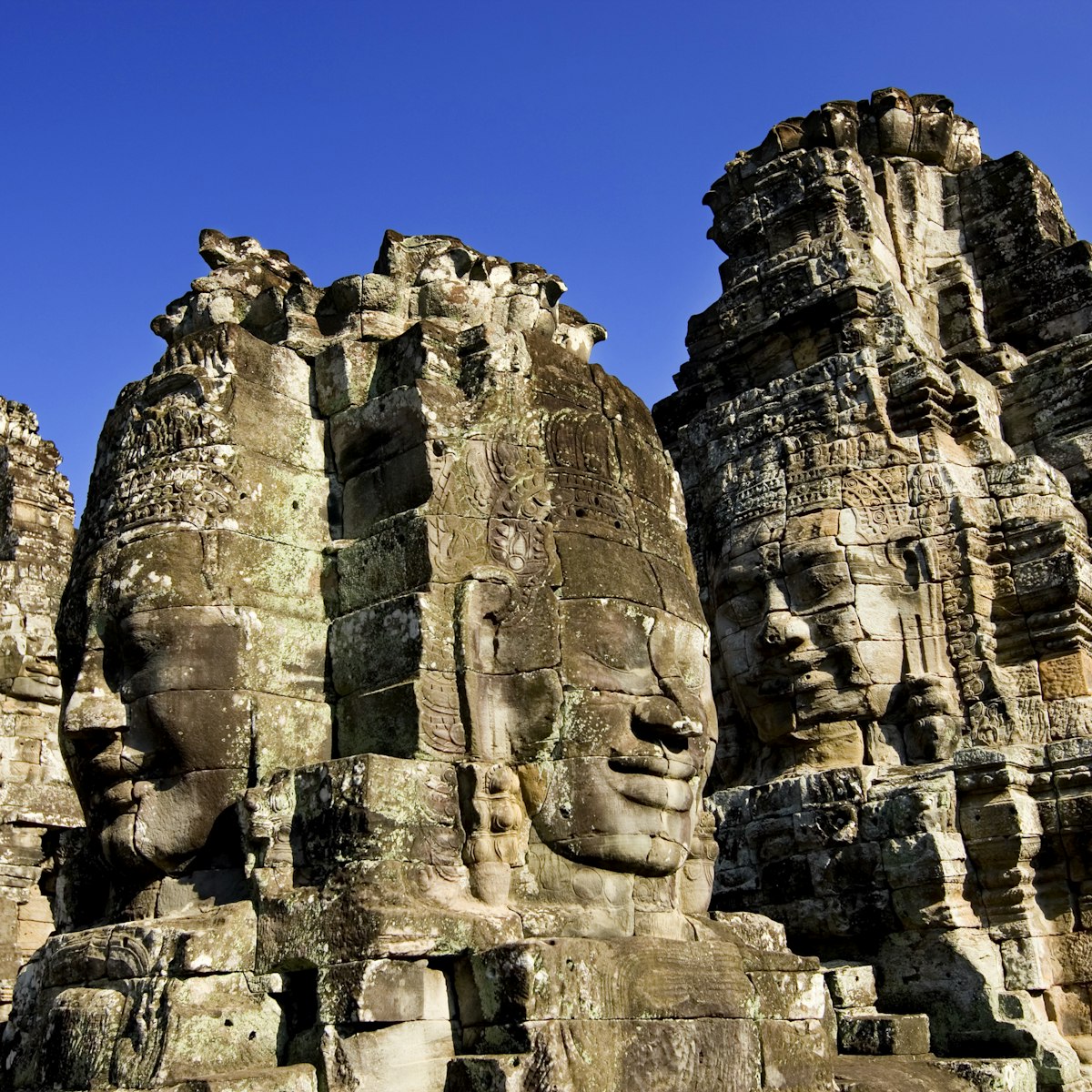
At the heart of Angkor Thom is the 12th-century Bayon, the mesmerising, if slightly mind-bending, state temple of Jayavarman VII. It epitomises the…
Getty Images
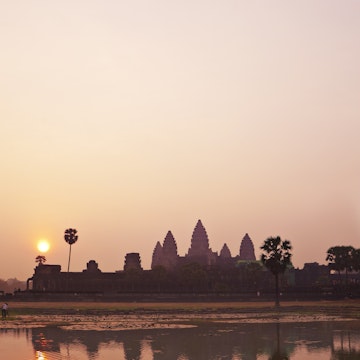
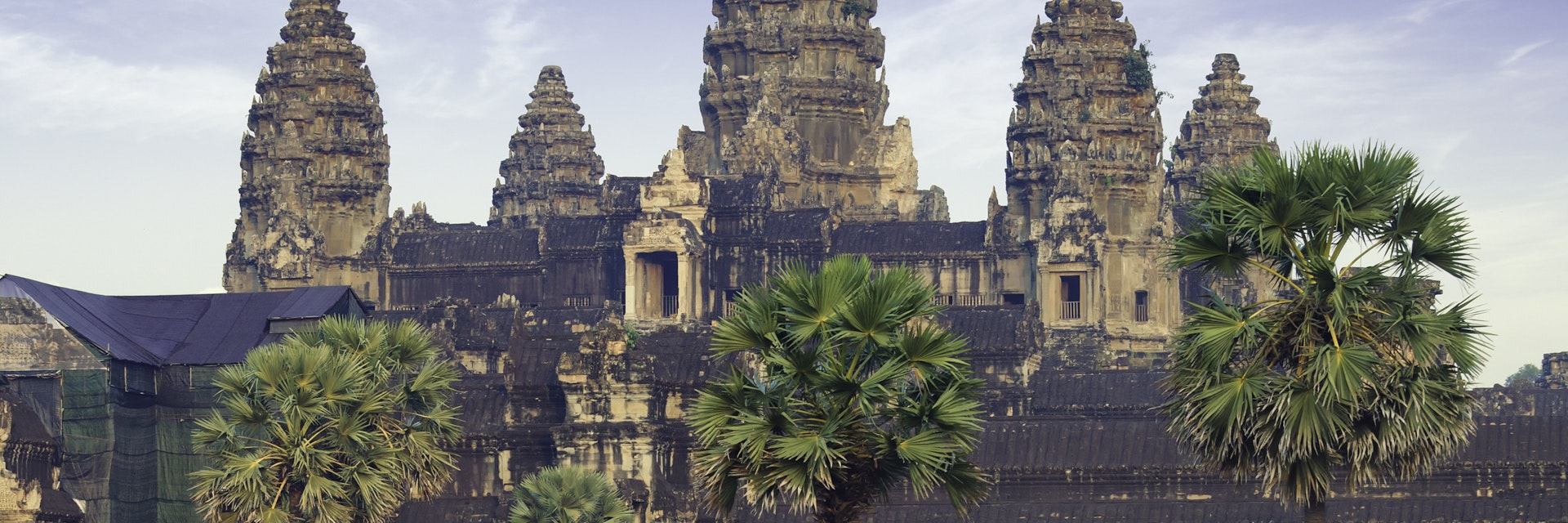
Welcome to heaven on earth. Angkor (ប្រាសាទអង្គរ) is the earthly representation of Mt Meru, the Mt Olympus of the Hindu faith and the abode of ancient gods. The temples are the perfect fusion of creative ambition and spiritual devotion. The Cambodian ‘god-kings’ of old each strove to better their ancestors in size, scale and symmetry, culminating in the world’s largest religious building, Angkor Wat.
Temples of Angkor
At the heart of Angkor Thom is the 12th-century Bayon, the mesmerising, if slightly mind-bending, state temple of Jayavarman VII. It epitomises the…

Temples of Angkor
A spectacular sight to behold, Beng Mealea, located about 68km northeast of Siem Reap, is one of the most mysterious temples at Angkor, as nature has well…

Temples of Angkor
The traveller's first glimpse of Angkor Wat, the ultimate expression of Khmer genius, is matched by only a few select spots on earth. Built by Suryavarman…
Temples of Angkor
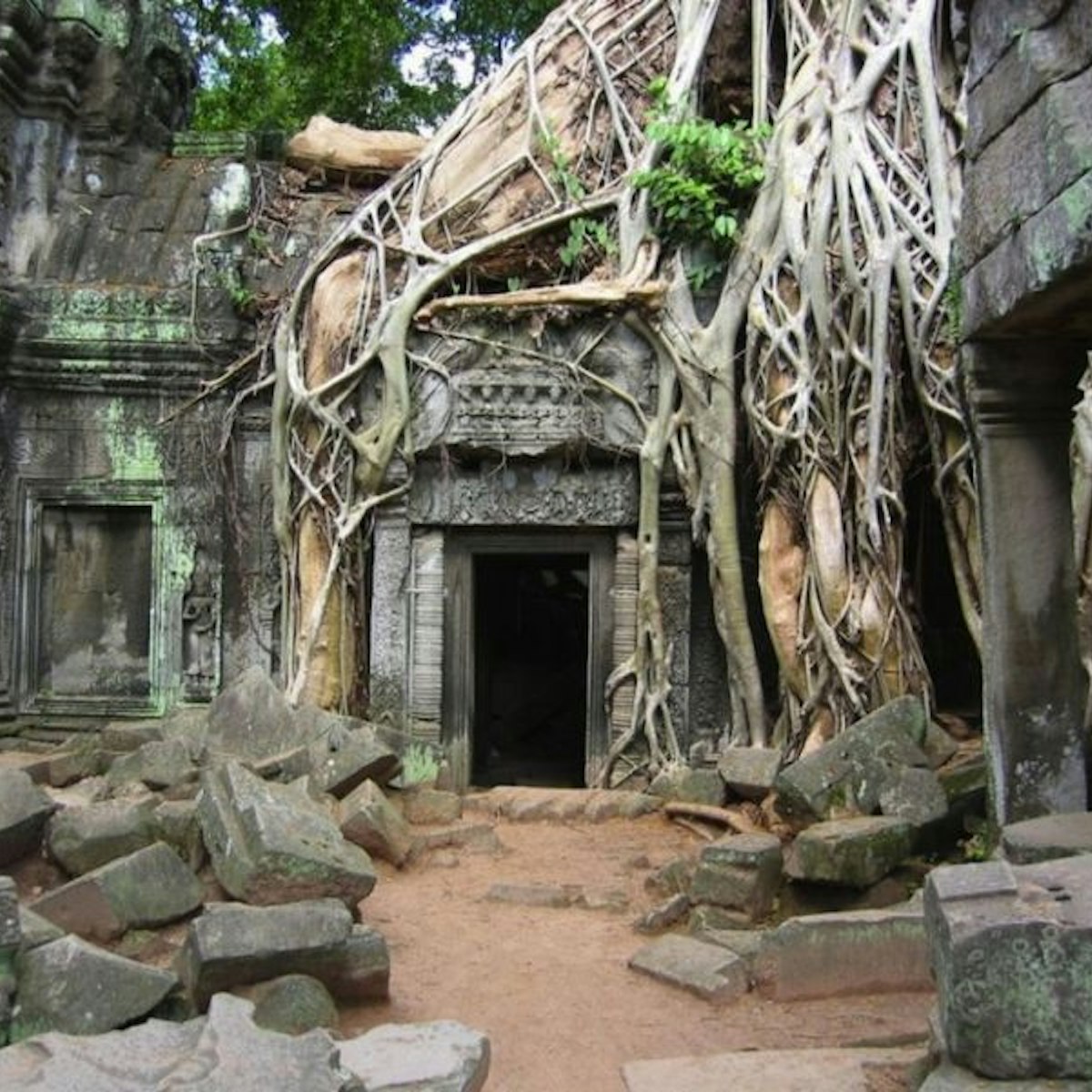
The so-called 'Tomb Raider Temple', Ta Prohm is cloaked in dappled shadow, its crumbling towers and walls locked in the slow muscular embrace of vast root…
Temples of Angkor
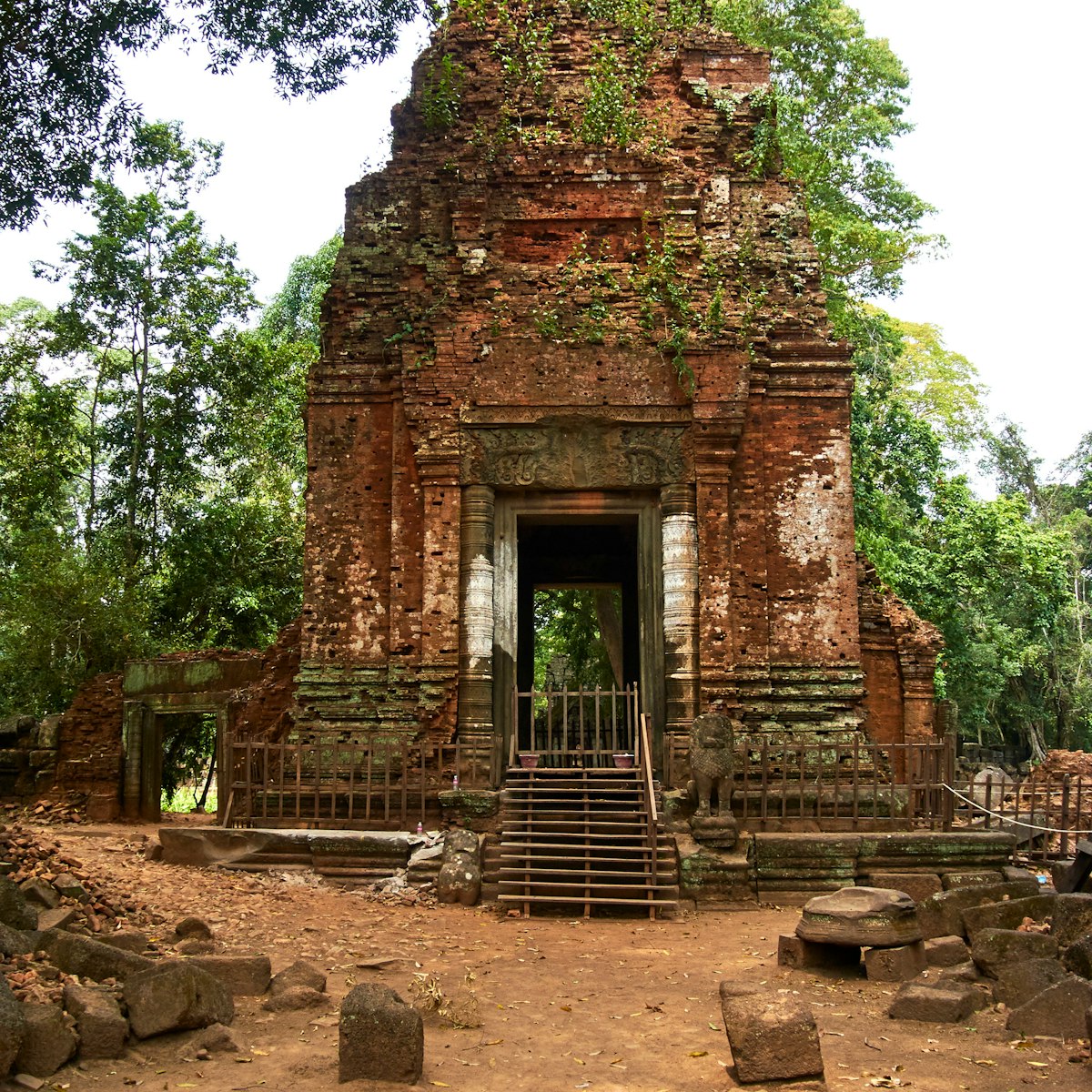
Abandoned to the forests of the north, Koh Ker, capital of the Angkorian empire from 928 to 944 CE, is within day-trip distance of Siem Reap. Most…
Temples of Angkor
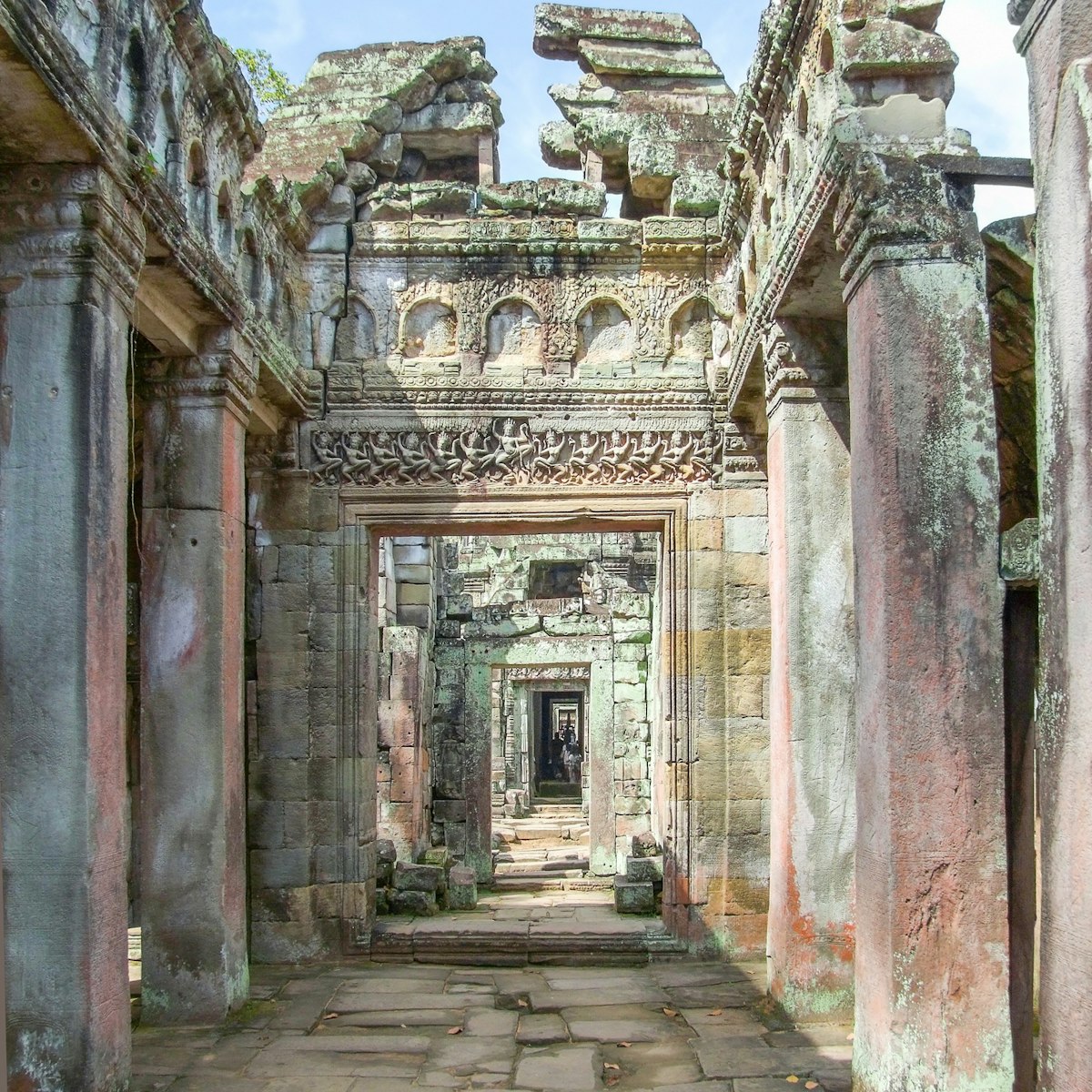
The temple of Preah Khan is one of the largest complexes at Angkor, a maze of vaulted corridors, fine carvings and lichen-clad stonework. It is a good…
Temples of Angkor
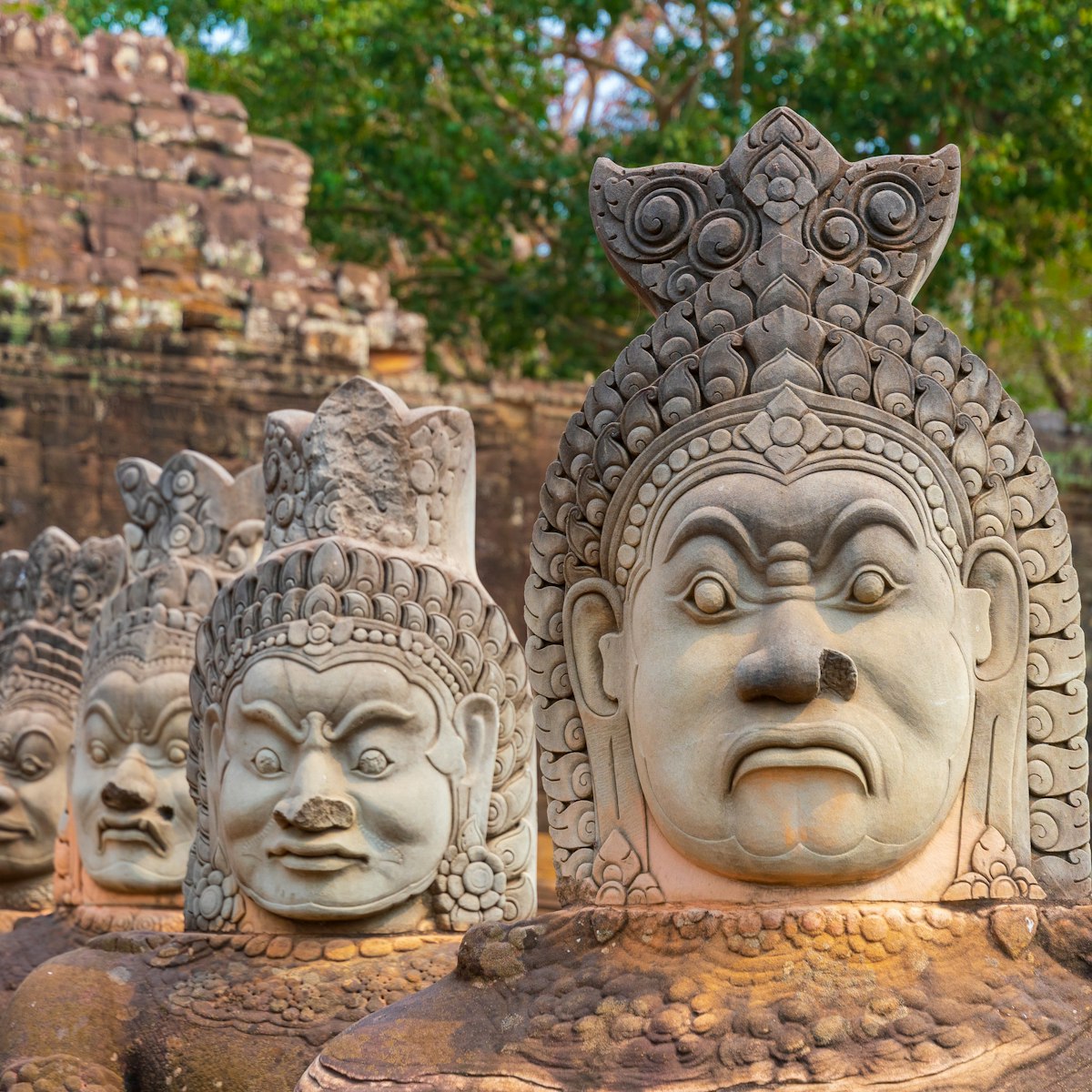
The south gate of Angkor Thom is most popular with visitors, as it has been fully restored and many of the heads (mostly copies) remain in place. The gate…

Angkor Wat
The southern section of the east gallery is decorated by the most famous of the bas-relief scenes at Angkor Wat, the Churning of the Ocean of Milk. This…
Filter by interest:

Wildlife & Nature
Siem Reap: 11 best things to do after you explore Angkor WatNov 18, 2021 • 5 min read
Get to the heart of Temples of Angkor with one of our in-depth, award-winning guidebooks, covering maps, itineraries, and expert guidance.