May 6, 20267 min read
The top 10 beaches to visit in BrazilJan 28, 2026
13 MIN READ

Writer
Writer
Whether you prefer wilderness or dense cities, the call of frogs in the rainforest or the beat of samba drums, Brazil has an incredible range of things to do. The country’s status as a natural paradise is impossible to deny. While superlatives simply don’t do it justice, you can travel around this continent-sized nation and find the largest rainforest, the most sprawling wetlands, and more known species of plants, freshwater fish and mammals than any other country in the world.
Brazil is also home to myriad indigenous and immigrant cultures, each with their own unique languages, foods and music. Get a taste for Afro-Brazilian heritage by eating acarajé in Salvador, dance samba in Rio de Janeiro, or move to the sounds of frevo in Olinda during Carnaval. The Amazon, too, hosts some of the biggest parties in Brazil. If you think you’ll be ready for another vacation at the end of all that, look no further than Brazil’s tropical islands for some downtime.
Plan your shortlist of must-dos with our expert guide to Brazil's top experiences.
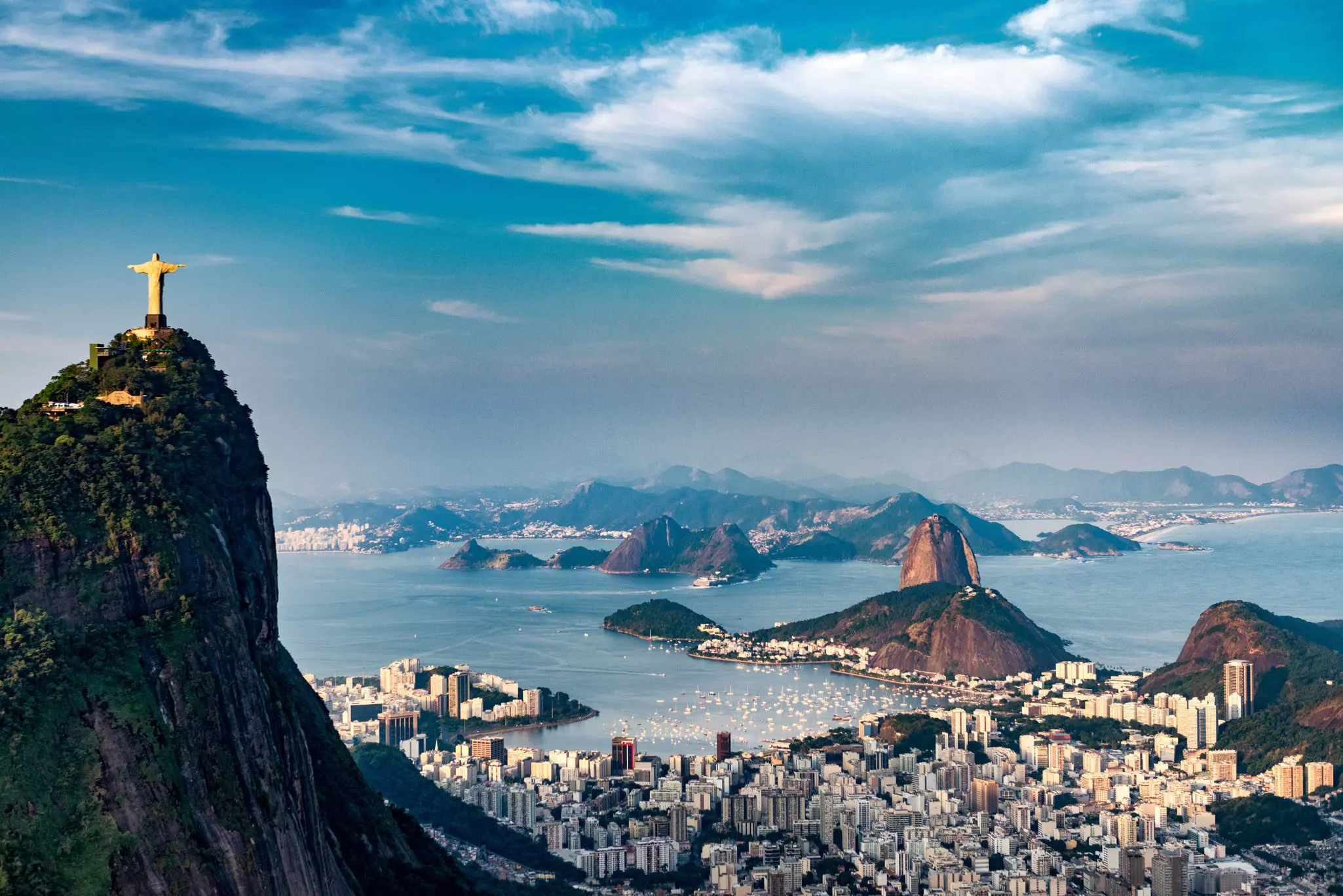
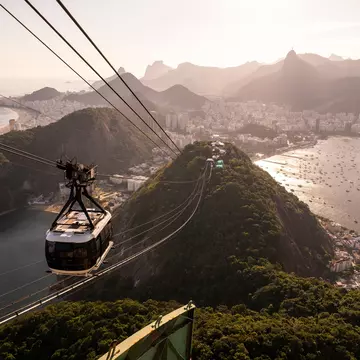
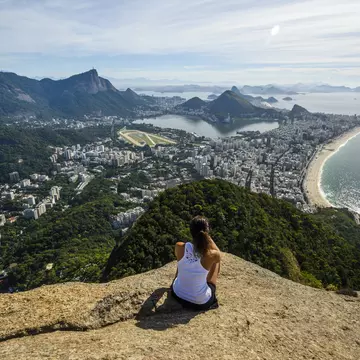
Beaches, architecture, museums, waterfalls, nightlife...there are dozens of good reasons to visit Rio de Janeiro. But if this city has one essential thing to do, it’s getting up high to admire the view. From above, Rio’s dramatic topography is revealed in all its splendor, with forest-covered mountains plunging down to the ocean with urban sprawl jammed in between.
Visitors jostle for selfie space at two of the city’s most popular tourist spots, the 710m-high Christ the Redeemer statue and Pão de Açúcar (Sugarloaf Mountain), which both offer spectacular 360-degree views. To avoid the crowds, a splurge on a helicopter tour is worth every real.
A stunning vista is the reward at the end of hikes in the Parque Nacional da Tijuca, with particularly breathtaking views from the Pico da Tijuca and Pedra da Gávea peaks.
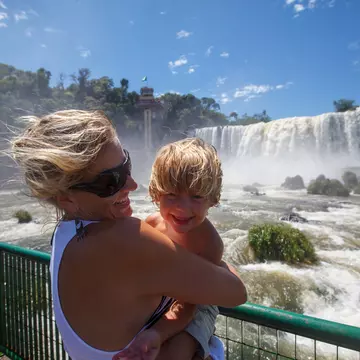
The thunder and roar of 1.5 million liters of water pouring over the edge of Iguaçu Falls every second is a thrilling, visceral experience. Dozens of activities in and around the falls will keep visitors occupied for days, from hiking and cycling in the surrounding national park to feeding the birds at the Parque das Aves bird and wildlife sanctuary.
There’s a good chance you’ll get wet at some stage during your visit, so why not submit to the deluge in the most adrenaline-fueled way possible, with a speedboat ride right under the falls? Turbo-dinghies with 500 horsepower outboard motors pass right beside the falls, where it’s so loud no one will hear your shrieks.
Planning tip: Journeys in this region can be long. For example, it's a 10-hour bus journey between Curitiba and Foz do Iguaçu. Factoring in travel time, 3 days is the minimum you’ll need to put this resplendent natural wonder into perspective. Daily entry numbers are limited so book tickets in advance. The nearby Itaipú Dam – the world’s second-largest – is well worth a visit, too, and accessible via Brazil or Paraguay.
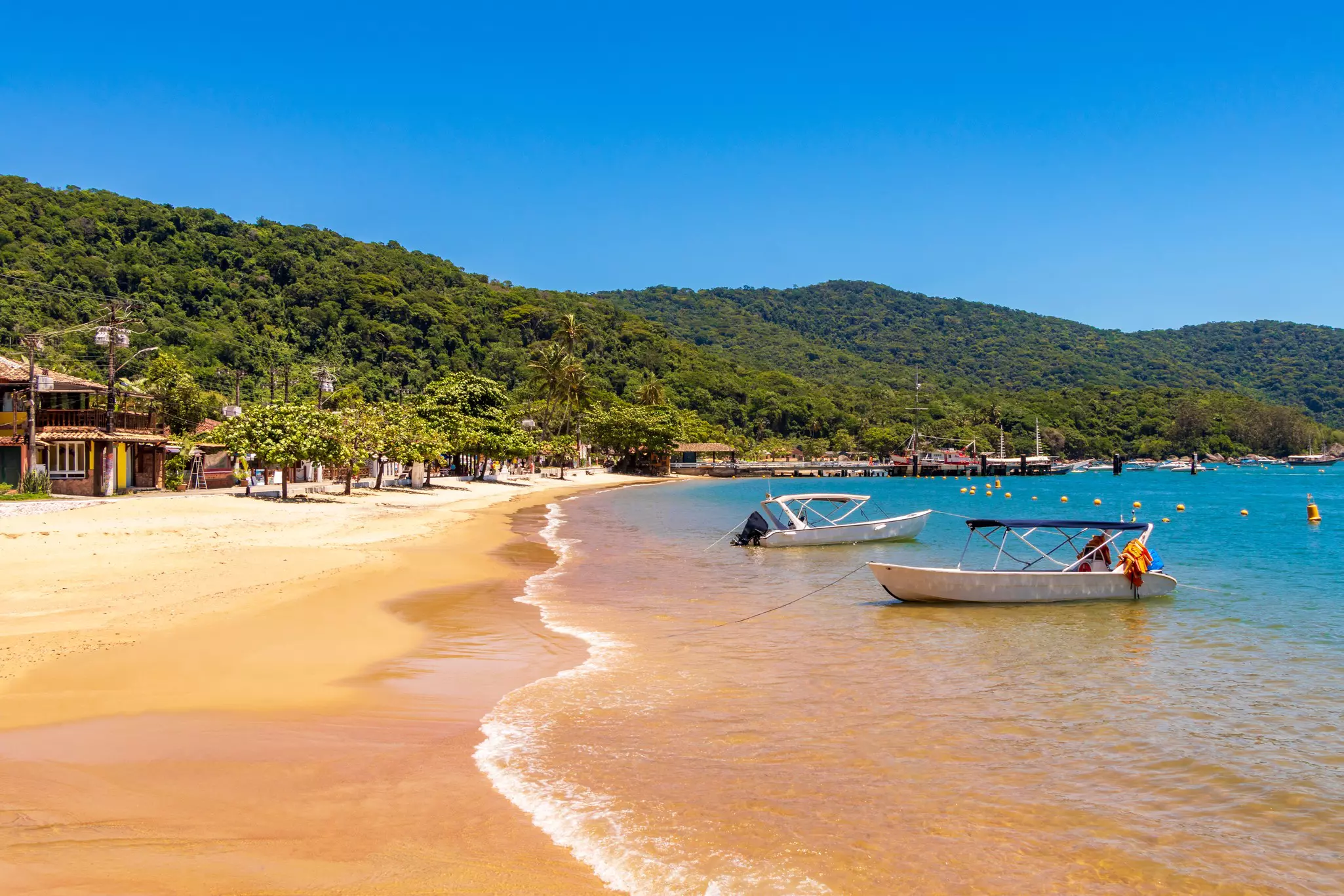
Brazil has thousands of beaches along its coastline, but you can side-step the difficult task of choosing one by escaping to a tropical island instead. Ilha Grande, south of Rio de Janeiro on the Costa Verde, has warm seas and white sandy beaches fringed by the forests of the Mata Atlântica. Ilhabela combines good restaurants for the São Paulo weekenders with hiking trails and guest houses hidden away in dense, jungle-covered hills.
Smaller Ilha do Mel in the south of Brazil near Paranaguá feels more remote, with just a handful of accommodation options, plus a lighthouse, fort and caves to explore. The Bahian coast is a safe bet for sunshine, and Boipeba has more than 20km of palm-lined beaches and a castaway vibe.
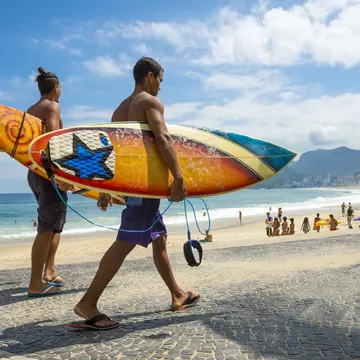
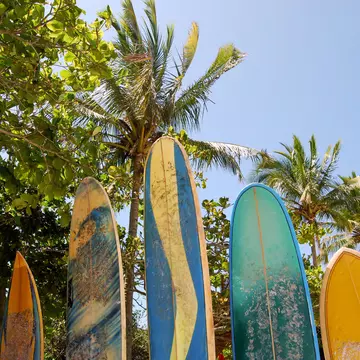
Once a sleepy fishing hamlet, Praia do Rosa is now a top surf destination, with charming guest houses and hotels tucked into the hillside above a bay. In the winter months (June to November), surfers are joined by another type of visitor playing in the waves: southern right whale calves.
Whales were hunted in these waters as far back as the 1700s and were widely thought to be extinct by the 1970s. Despite making a comeback, they’re still highly endangered. The whales migrate here from Patagonia every year to breed, and a marine reserve stretching 130km along the coast was established to help protect them.
Planning tip: Only masochists will want to swim in the sea this far south in the winter, but the beach is a beautiful destination for windy walks and whale spotting year-round. Boat tours can also be booked for a closer look.
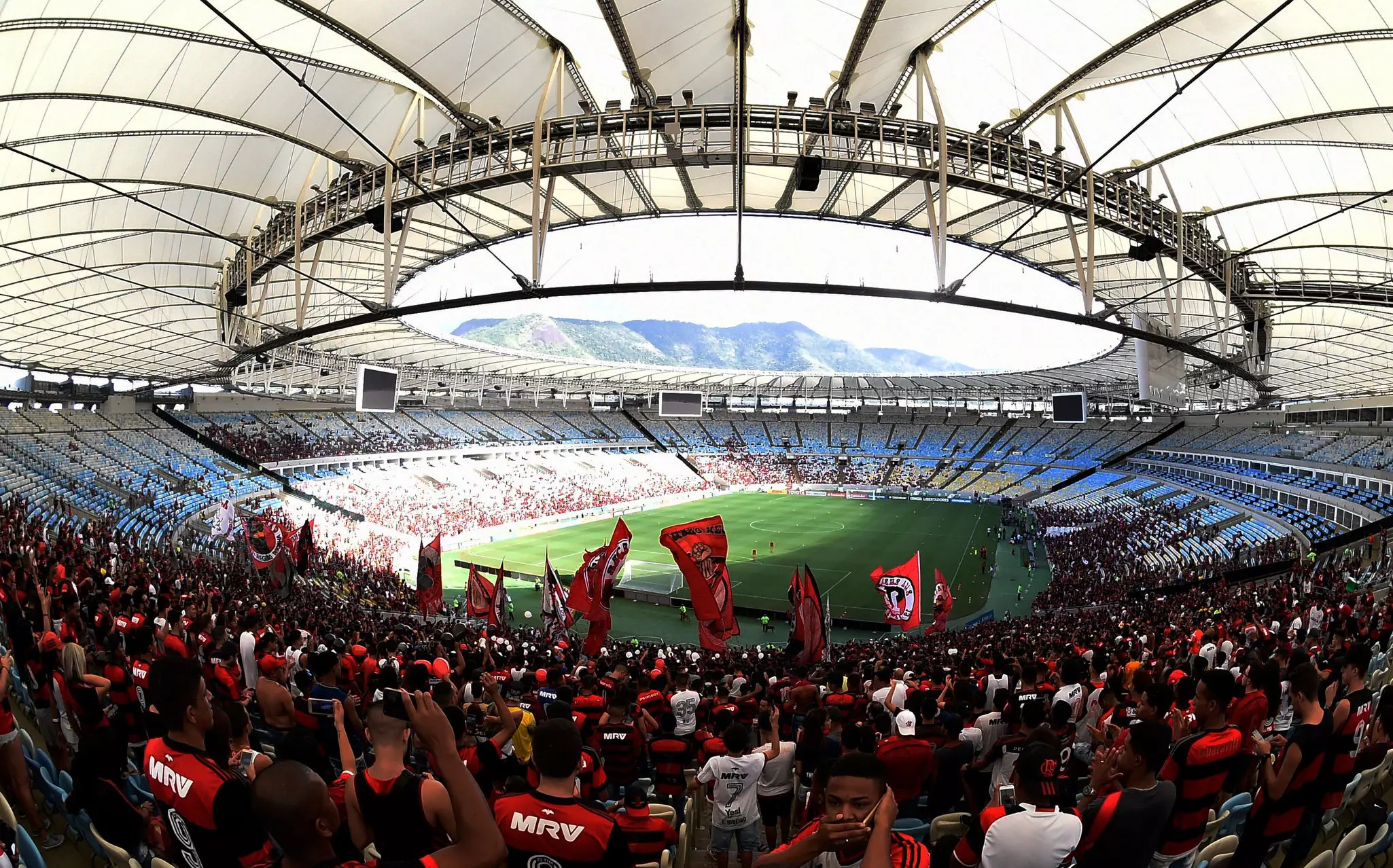
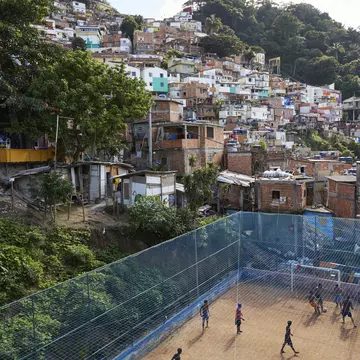
It’s impossible not to know when there’s a big soccer game playing in Brazil, as every screen in every bar will have it on, with shouts ringing out across neighborhoods when goals are scored. Join in the action by booking tickets to see a game, where the passionate supporters can be as much of a spectacle as the game itself.
The Maracanã stadium in Rio de Janeiro is legendary – it hosted the 2014 FIFA World Cup final between Germany and Argentina, as well as the opening and closing ceremonies of the 2016 Summer Olympics. SR Flamengo is the biggest club in Rio and you can expect excited crowds when the team goes head-to-head with any of its local rivals.
In São Paulo, SE Palmeiras and Corinthians both have gleaming modern stadiums, and the latter in particular is famous for its passionate supporters. The city’s Pacaembu Stadium is an art deco jewel, although it hosts fewer games these days. The soccer museum underneath the stadium is a monument to Brazil’s greatest passion.
Planning tip: Informative 45-minute tours of the Maracanã run outside of game days with prices starting at R$75 per adult.
Bird-watching enthusiasts will want to trek to some of the most spectacular off-the-beaten-path spots in the Mata Atlântica (Atlantic Forest). One of Brazil’s six biomes, the Atlantic Forest is a hot spot for birding – it's home to nearly 900 bird species, a quarter of which don’t live anywhere else, including three-toed jacamars and kaleidoscopic green-headed tanagers.
You can explore Atlantic Forest habitats in dozens of national and state parks as well as hundreds of private nature reserves. Itatiaia, established in 1937 as Brazil’s first national park, is a birding paradise. Further south, among the mangroves and salt marshes of Superagui National Park and the Sebui private nature reserve, other Atlantic Forest species such as scarlet ibis and the red-tailed Amazon parrot fill the skies at sunset as they come in to roost for the night.
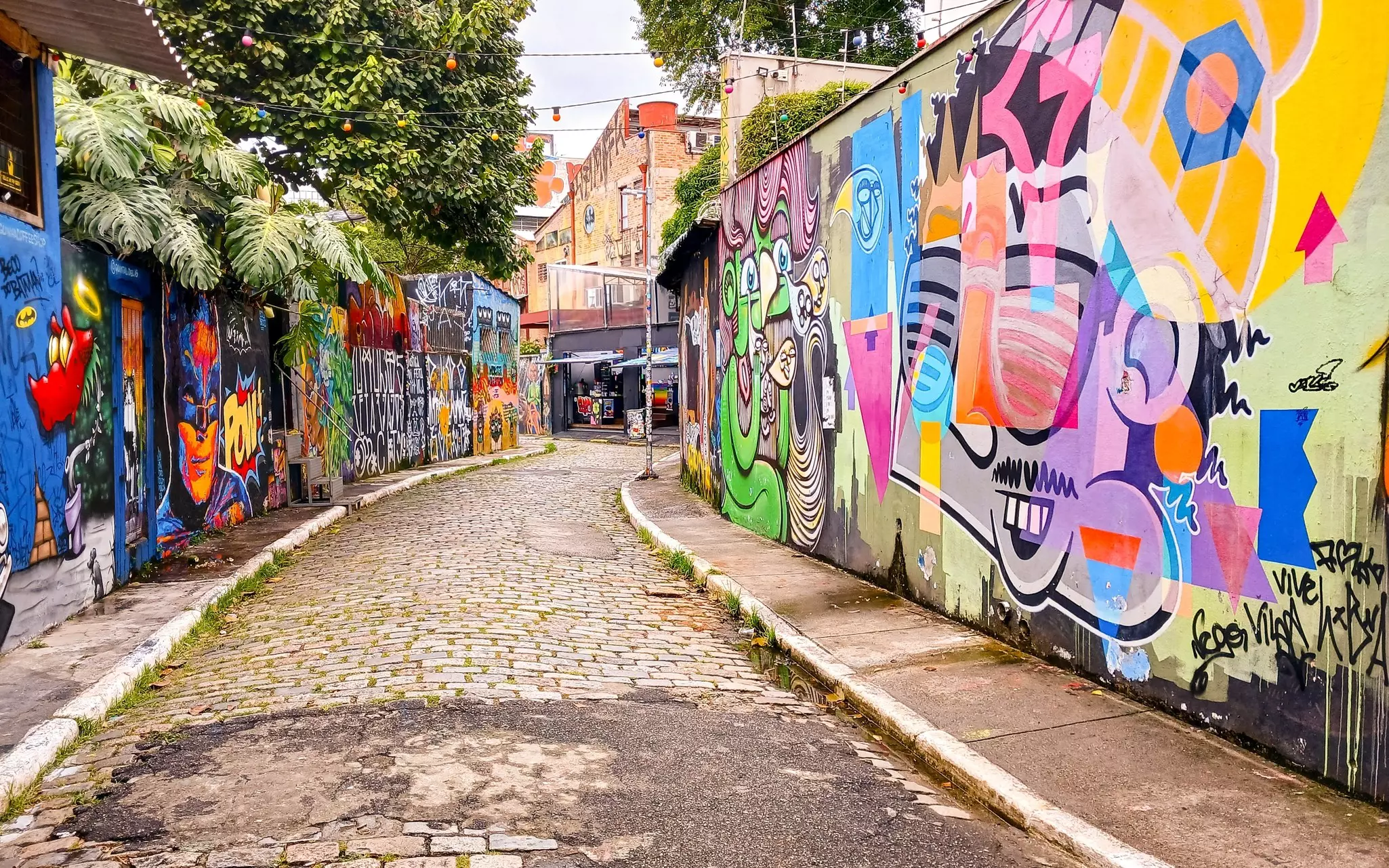
A maze of underpasses and overpasses, sidewalks cracked by tree roots, and steep hills make walking in São Paulo something of an adventure sport. But the reward is a wealth of murals and graffiti daubed across the city’s urban sprawl, all the more striking against the city’s ubiquitous gray concrete.
The colorful Beco do Batman (Batman’s Alley) is a top spot for street art and a tourist honeypot. In Centro, artist Felipe Yung’s 10,000 sq m Aquarium covers the facades of 15 buildings. The 3.5km Minhoção – officially Via Elevada Presidente João Goulart – is closed to traffic at night and at weekends, making it the perfect place to stroll while taking in artwork by such artists as Speto, Zezão and Mag Magrela.
Cambuci, in the southeast of the city, was the stomping ground for the world-famous duo OsGemeos in their youth, and it’s the best place to see their art outside of museums. In northern São Paulo, the Museu Aberto de Arte Urbana (Open Museum of Urban Art) brings together street art by dozens of creators on the huge columns underneath a metro line.
For one hot, sweaty but utterly thrilling day of your life, you can feel like a star as you don an enormous costume and join a samba school to parade down the Sambódromo during Carnaval in Rio de Janeiro. Broadcast live on national television, with many thousands of spectators cheering from the grandstands, this parade is a fierce competition that’s taken extremely seriously by the samba schools that prepare for it year-round.
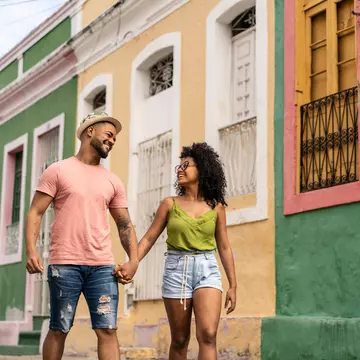
But Carnaval is not all about Rio. Each corner of the country celebrates in its own way, and one of the most traditional can be found in the coastal city of Olinda. Instead of samba, the rhythms of frevo, maracatu and afoxé ring out across the hilly streets of this charming town. Local bands playing percussion and brass draw huge crowds of excitable revelers trying to keep pace.
Planning tip: Tickets for the Sambódromo can be bought through the official website, which sells seats for the arquibancadas (bleachers) or camarotes (boxes). However, they sell out extremely quickly. Tickets may be available on resale sites, but expect to pay upwards of US$100.
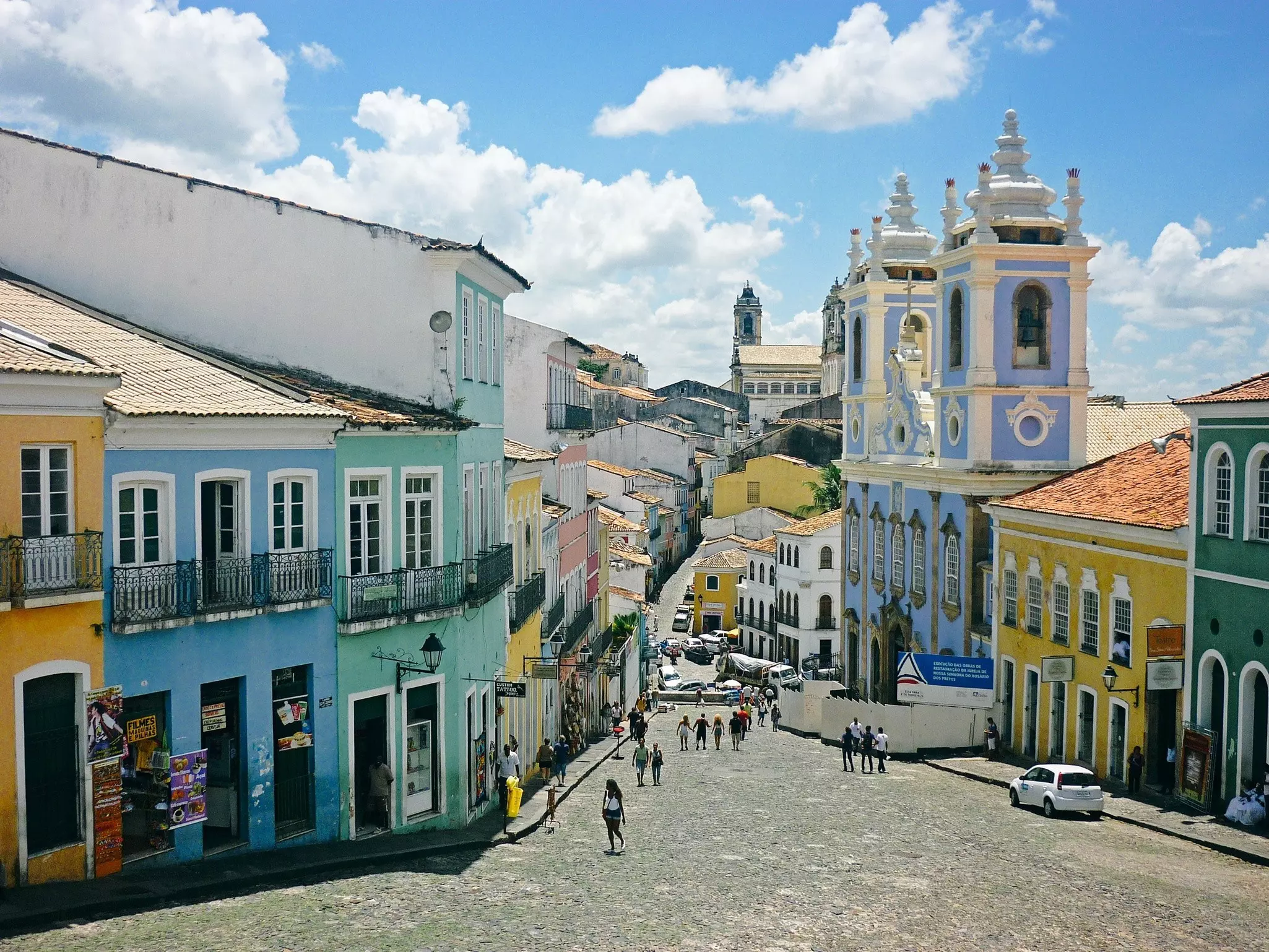
Chili, coconut, coriander, dried shrimp, dendé palm oil...the ingredients of Bahian cuisine make for some of the tastiest dishes in Brazil, showing the strong African influences in the city of Salvador.
A popular street food is acarajé, a deep-fried ball of black-eyed pea paste stuffed with a dried shrimp stew and condiments. The dish is traditionally made by Baianos, descendants of the first Africans in Brazil, and it was even given protected cultural heritage status in 2005. Acarajé is just one of the Baiano-made foods connected to the worship of orixás, deities of Yoruban origin.
Planning tip: Salvador is the best place in Brazil to immerse yourself in Afro-Brazilian culture and religion. The Caminho dos Orixás – Oxum is a tour of the city’s sights run by an agency specializing in Afro-Brazilian culture. Viare Travel also organizes tours tailored around Afro-Brazilian heritage.
The culmination of a lifetime’s work for Brazilian archaeologist, Niède Guidon, the Museu da Natureza (Museum of Nature) opened in late 2018. A spiral-shaped building at the edge of the Serra da Capivara National Park, the museum explores the history of humans and other species from their earliest known existence.
Highlights include saber-toothed cat teeth and a 6m life-size model of the giant sloth Eremotherium, fossils of which were found in the park. Serra da Capivara has an astounding 300 archaeological sites where fossils, ceramics, bones and tens of thousands of examples of cave art – the largest collection in the world – have been found over the decades. These discoveries suggest that humans settled here as far back as 50,000 years ago, challenging the mainstream theory about human settlement in the Americas.
Planning tip: An airport was built near the Serra da Capivara in 2015, but the only commercial flights run from Petrolina and Recife; most visitors drive or catch a bus from Petrolina or Teresina.
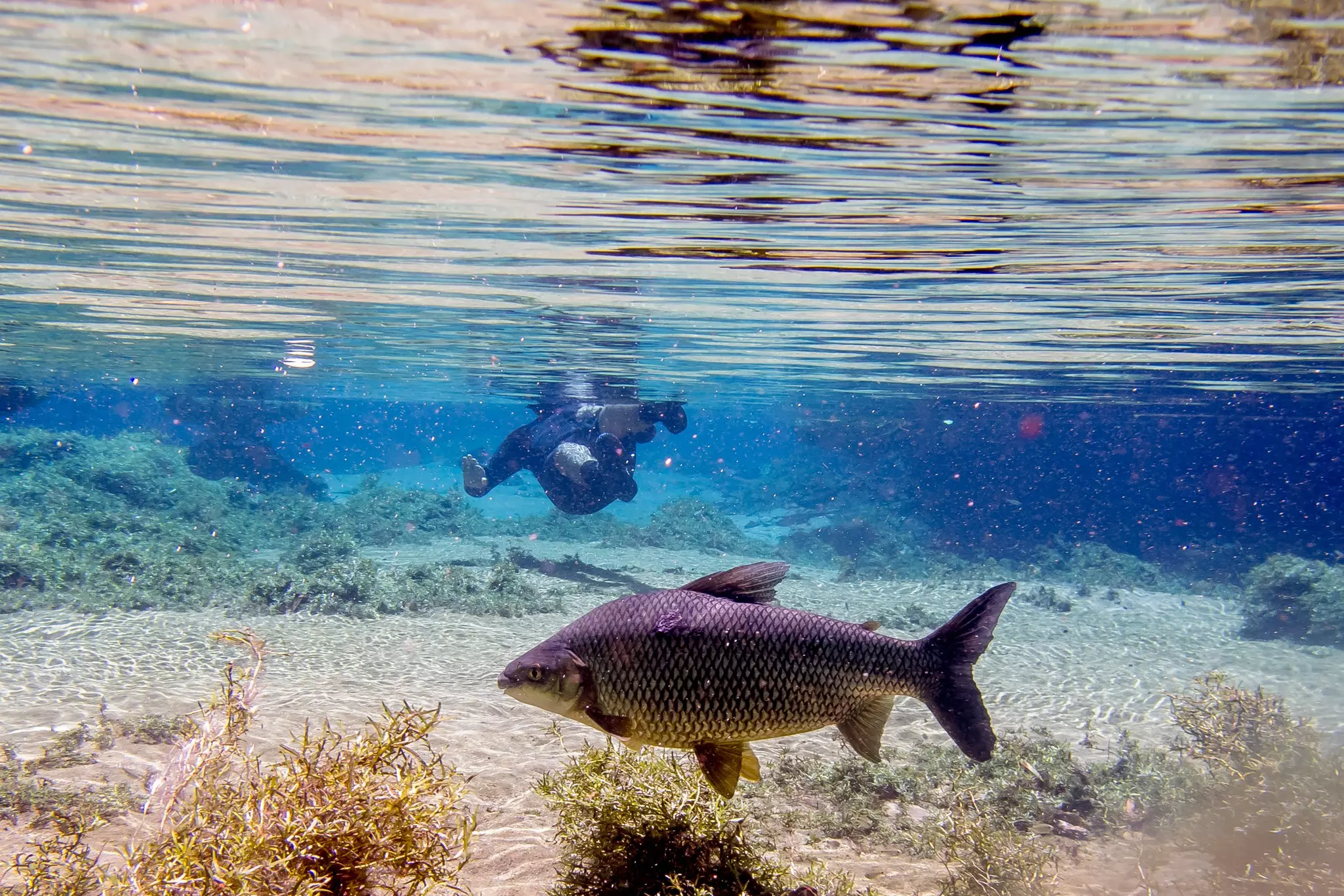
An ecotourism boom town near the Pantanal wetlands, Bonito is a giant aquarium and a playground for lovers of nature. The clear waters here spring up through a limestone base that acts as a water purifier, allowing for astounding underwater visibility. Visitors will come face to face with all sorts of fascinating fish while floating down or snorkeling in the Rio da Prata. Alternatively, rafting down the Rio Formoso provides a chance to look out for fish and birds while you navigate the rapids.
Planning tip: There are strict regulations and caps on visitor numbers in place for those going to Bonito's natural attractions. In order to protect the clarity and pureness of the waters, no sunscreen or insect repellent are allowed.
Trees, not people, are what dominate the Amazon in the popular imagination. But the world’s largest rainforest is home to more than 30 million people and they throw some pretty spectacular parties (they’re Brazilian too, after all). Bumba Meu Boi is a folk festival held in June in Parantins that recounts the death and resurrection of an ox, with music, fireworks, dancing and glittering costumes.
The biggest Amazonian festival is Círio de Nazaré, a Catholic celebration that attracts more than a million devotees each October. Devout locals file through the streets of Belém, at the mouth of the Amazon River, in a cathartic throng. Some 966km upriver, the town of Maués throws a festival every December to celebrate the harvest of its energy-boosting guaraná fruit. Locals dance on the beaches of the Maués-Acú River until the early hours.
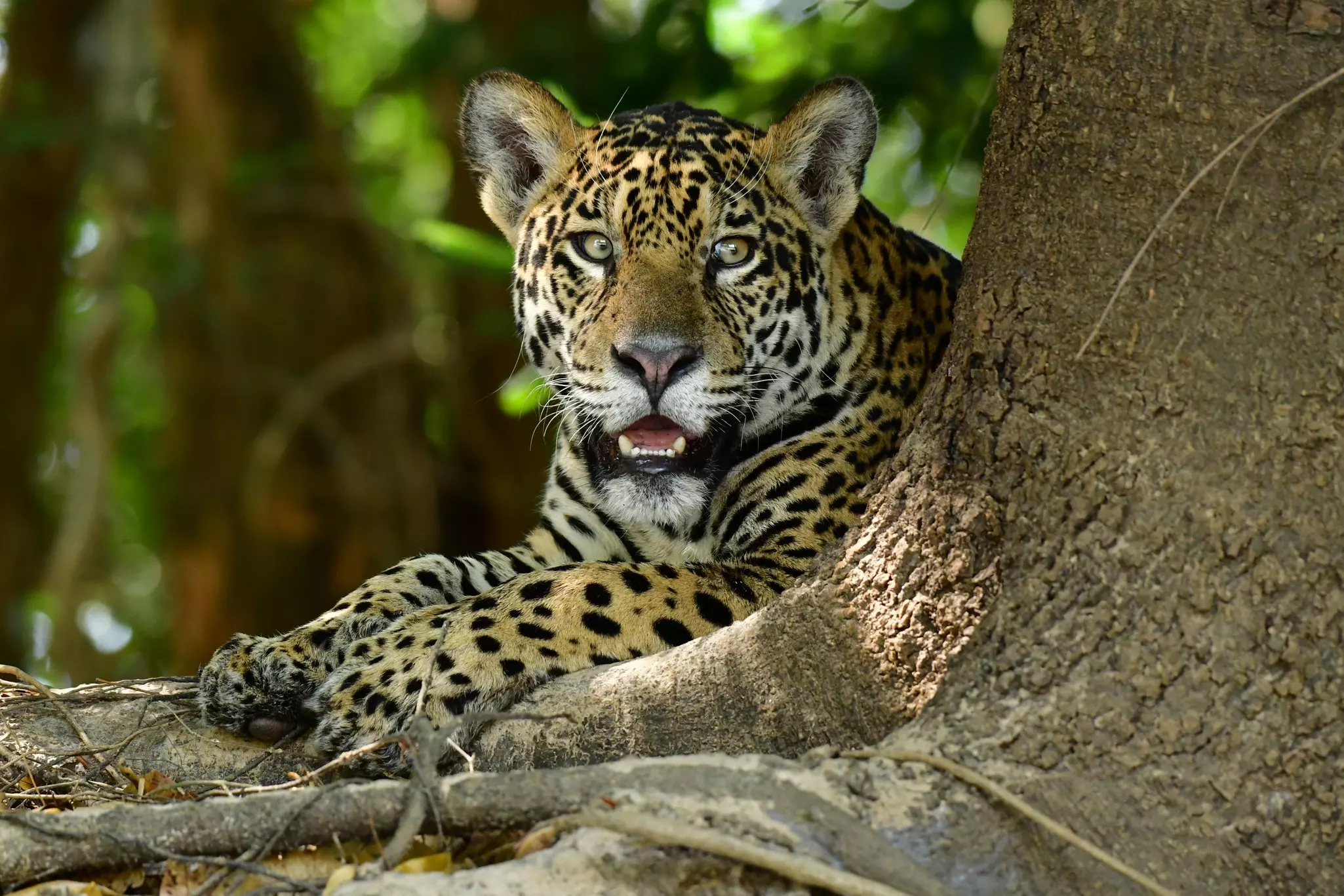
The largest cat in the Americas, the jaguar is a rare and elusive creature. These famed big cats roam far and wide across Brazil, and despite game hunting being illegal since 1967, jaguars are still poached. Add in habitat loss – exacerbated by recent fires and the expansion of cattle ranching – and the result has been a decline in their population, placing these magnificent animals at risk of extinction.
One of the best habitats for spotting jaguars is the Pantanal, the world’s largest wetland. Conservation NGO Onçafari was set up in 2011 to help protect the jaguars through research and ecotourism. The group runs jaguar safaris from its base at the Caiman Lodge, a private nature reserve.
Planning tip: A number of local tour operators also run jaguar safaris, and the deeper you get into the wetlands, the better chance you have of spotting one. Chances of sightings are best during the dry season (April to September).
Also known as pinga (among dozens of other nicknames), cachaça is an exclusively Brazilian distilled sugarcane spirit that can range from cheap rocket fuel to an expensive, aged artisanal delicacy. It’s also the main ingredient in the unofficial Brazilian national drink, the caipirinha. Bars can provide an easy education in the delights of cachaça – but better still is a distillery tour.
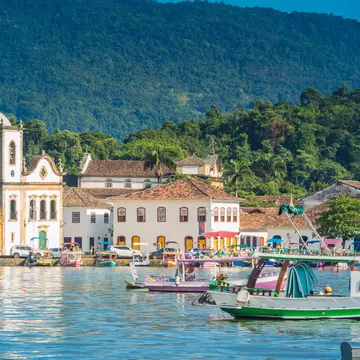
Minas Gerais is the main cachaça-producing region in Brazil and home to the oldest functioning distillery, Engenho Boa Vista, which has been in business for more than 260 years. Overlooking the sea, the Maria Izabel distillery is a must for any visitors to Paraty.
Planning tip: The Mapa da Cachaça website is a great resource, mapping out distilleries across the country.
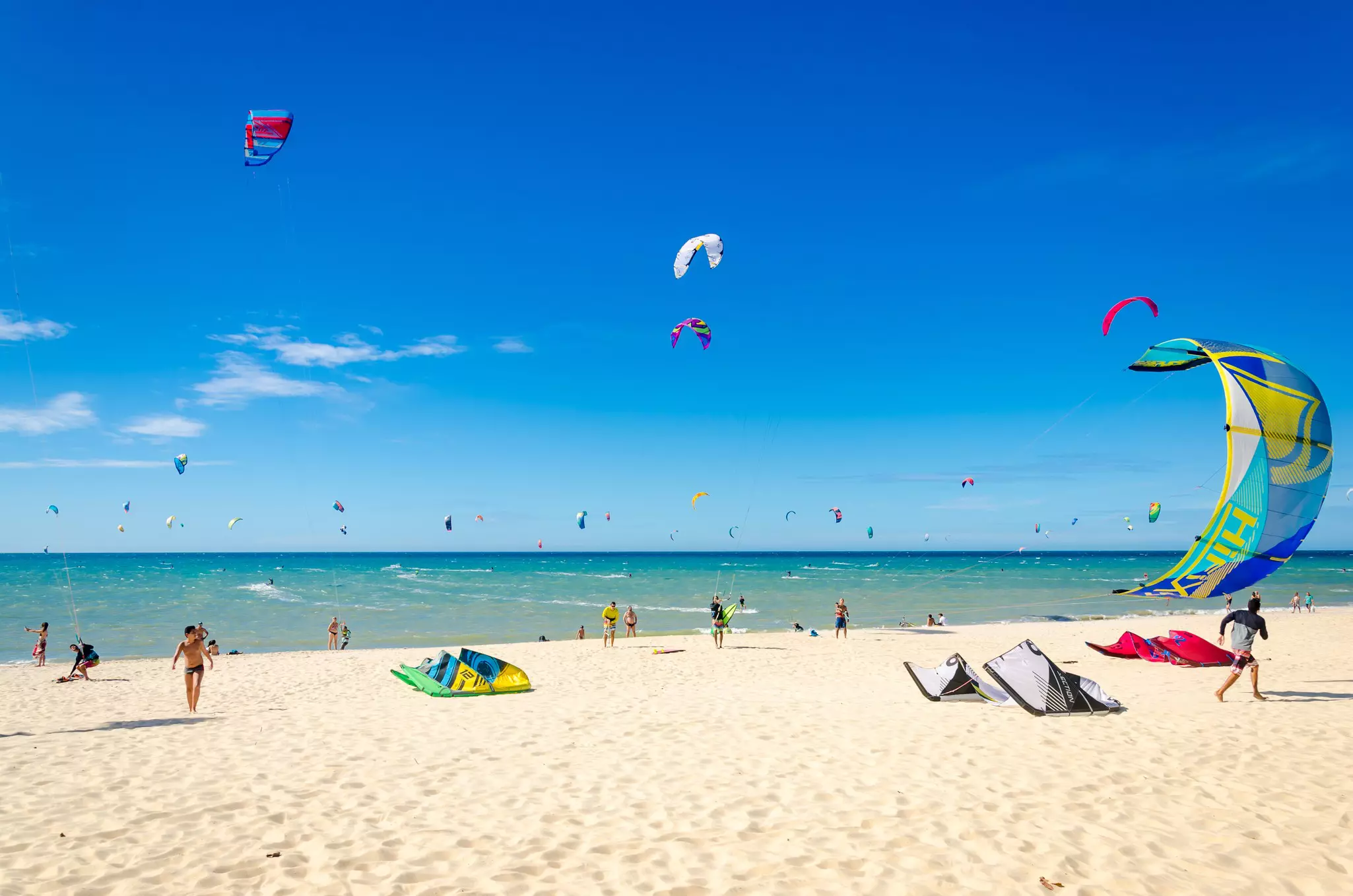
Some of the world's most respected kitesurfing champions are from Brazil – no surprise given the country’s thousands of miles of windswept Atlantic coastline. Ceará in northeastern Brazil has some of the best kitesurfing hot spots, including Cumbuco (a playground for some of the top athletes) and the coastal hubs of Icapuí and Preá.
A little farther north in Piauí state, Barra Grande is an up-and-coming spot for the sport. In Maranhão, lagoons in Atins offer up wind without the waves and the bonus of being on the doorstep of the desert-like Lençois Maranhenses National Park.
Explore related stories