Garni & Geghard
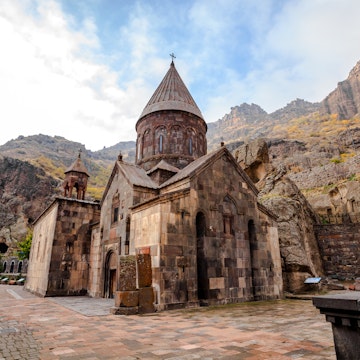
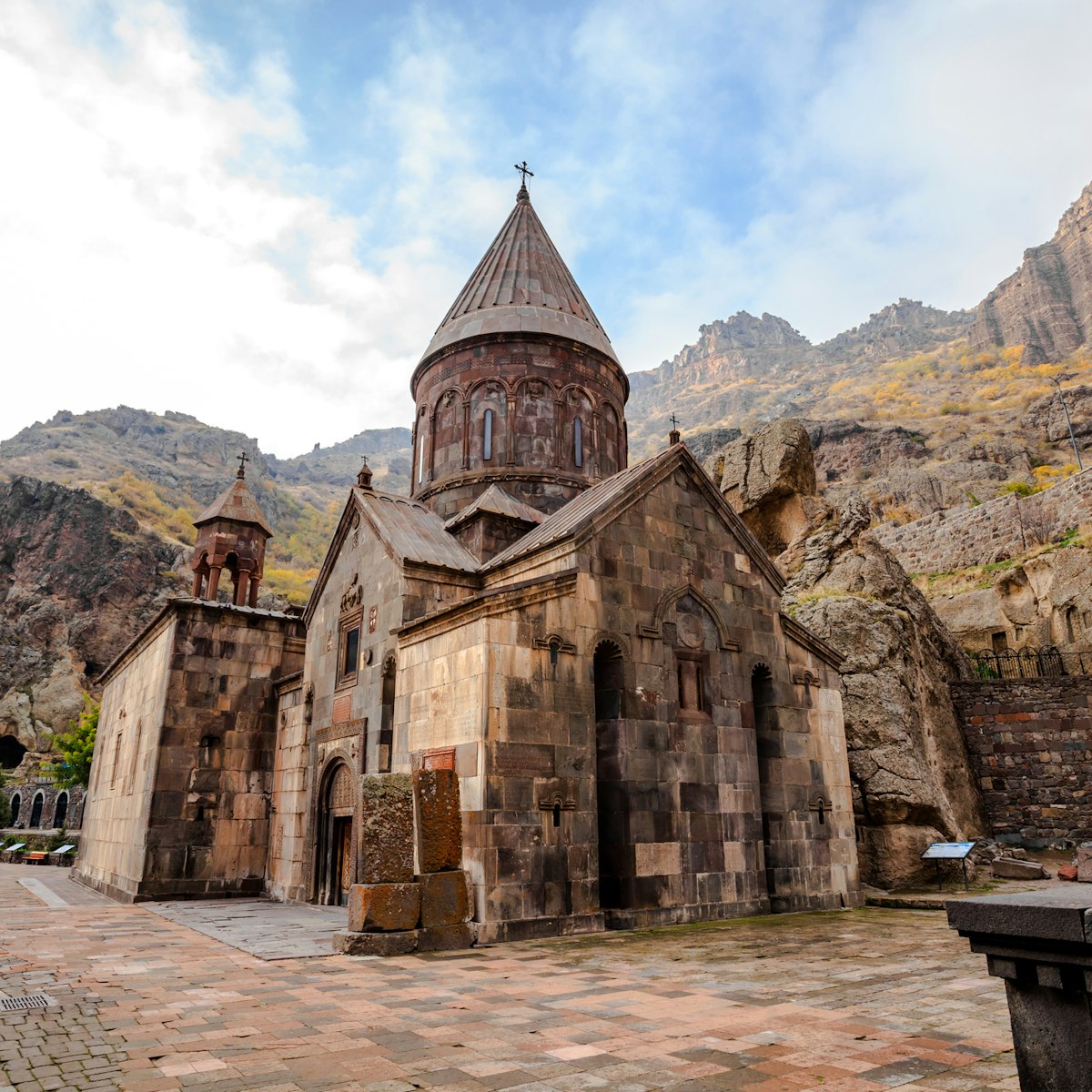
Named after the lance that pierced Christ’s side at the crucifixion (a shard is now on display at the museum in Etchmiadzin), this World Heritage–listed…
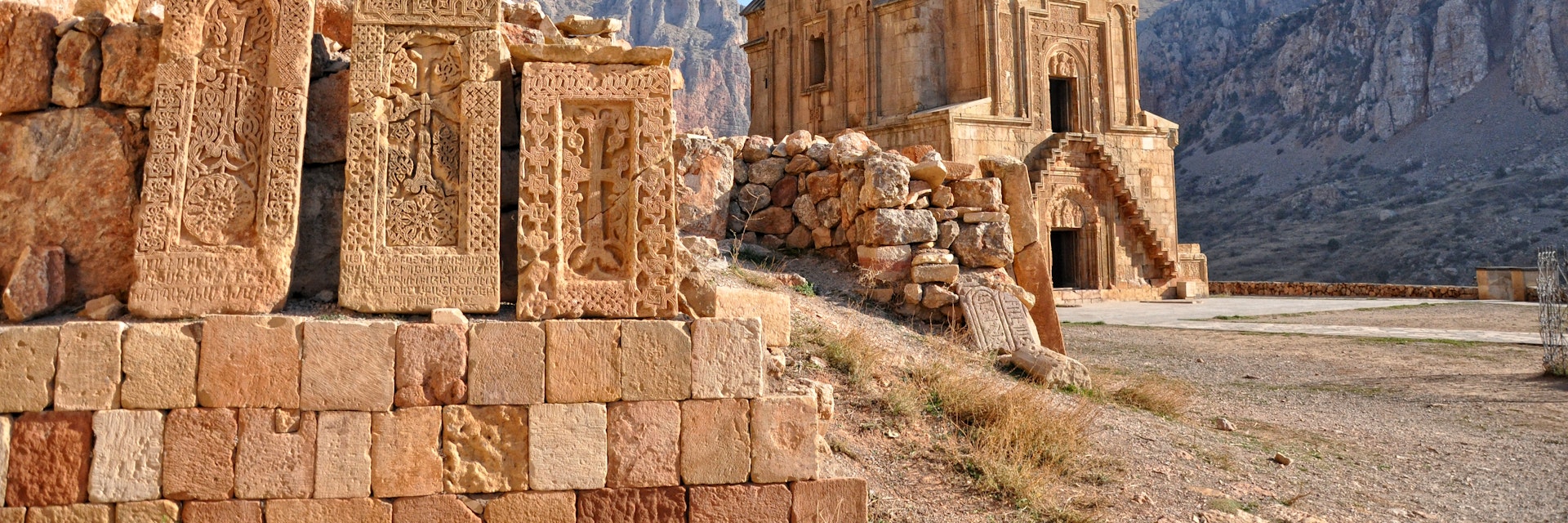
Few nations have histories as ancient, complex and laced with tragedy as Armenia (ՀԱՅԱՍՏԱՆ). And even fewer have a culture that is as rich and resilient. This is a destination where you will be intrigued by history, awed by monuments, amazed by the landscape and charmed by down-to-earth locals. It's not an easy place to explore – roads are rough, transport is often hard to navigate and those who don't speak Armenian or Russian may find communication difficult – but travelling here is as rewarding as it is revelatory.
Experience the real Armenia. Let a local expert handle the planning for you.
Get startedGarni & Geghard
Named after the lance that pierced Christ’s side at the crucifixion (a shard is now on display at the museum in Etchmiadzin), this World Heritage–listed…
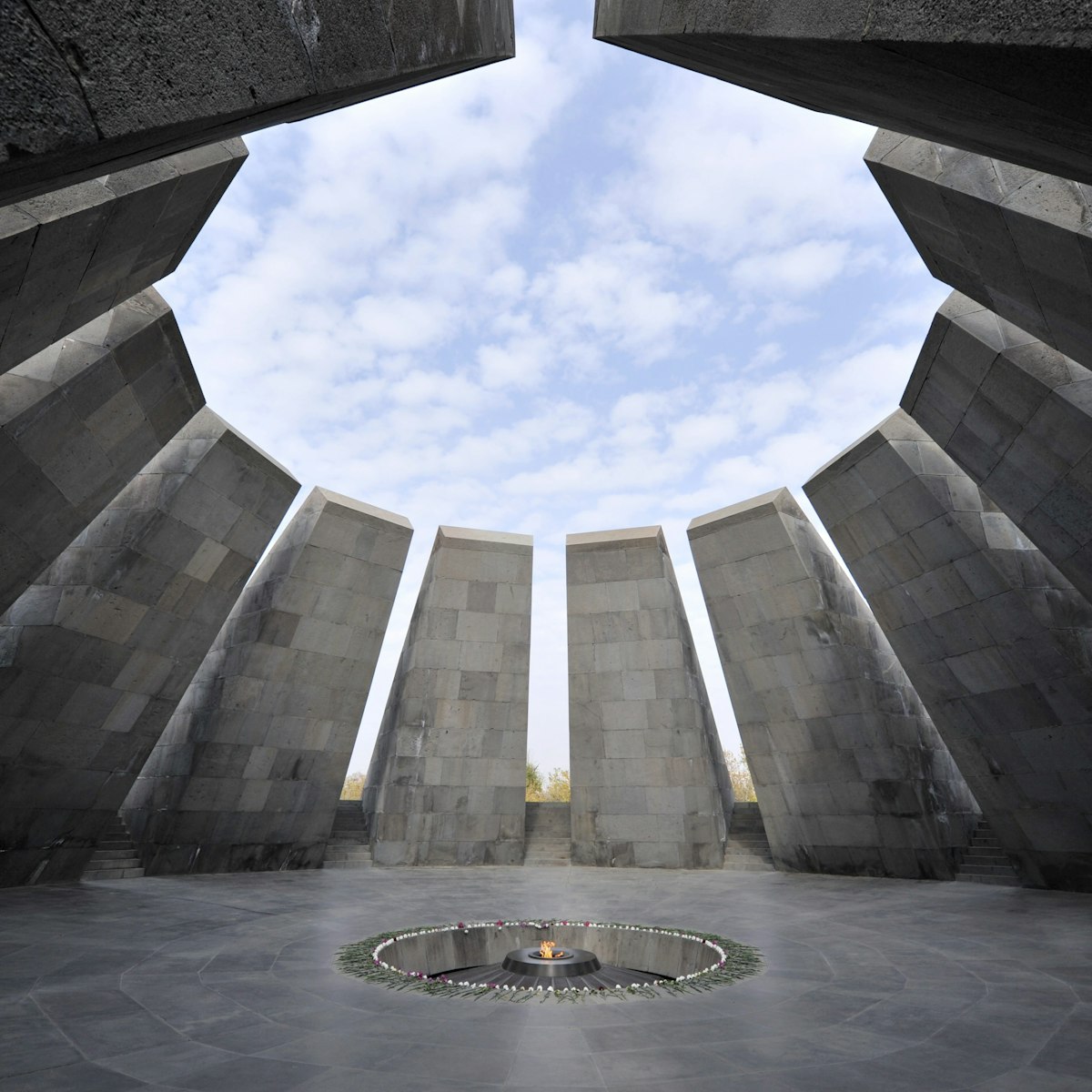
Armenian Genocide Memorial & Museum
Yerevan
Commemorating the massacre of Armenians in the Ottoman Empire from 1915 to 1922, this institution uses photographs, documents, reports and films to…
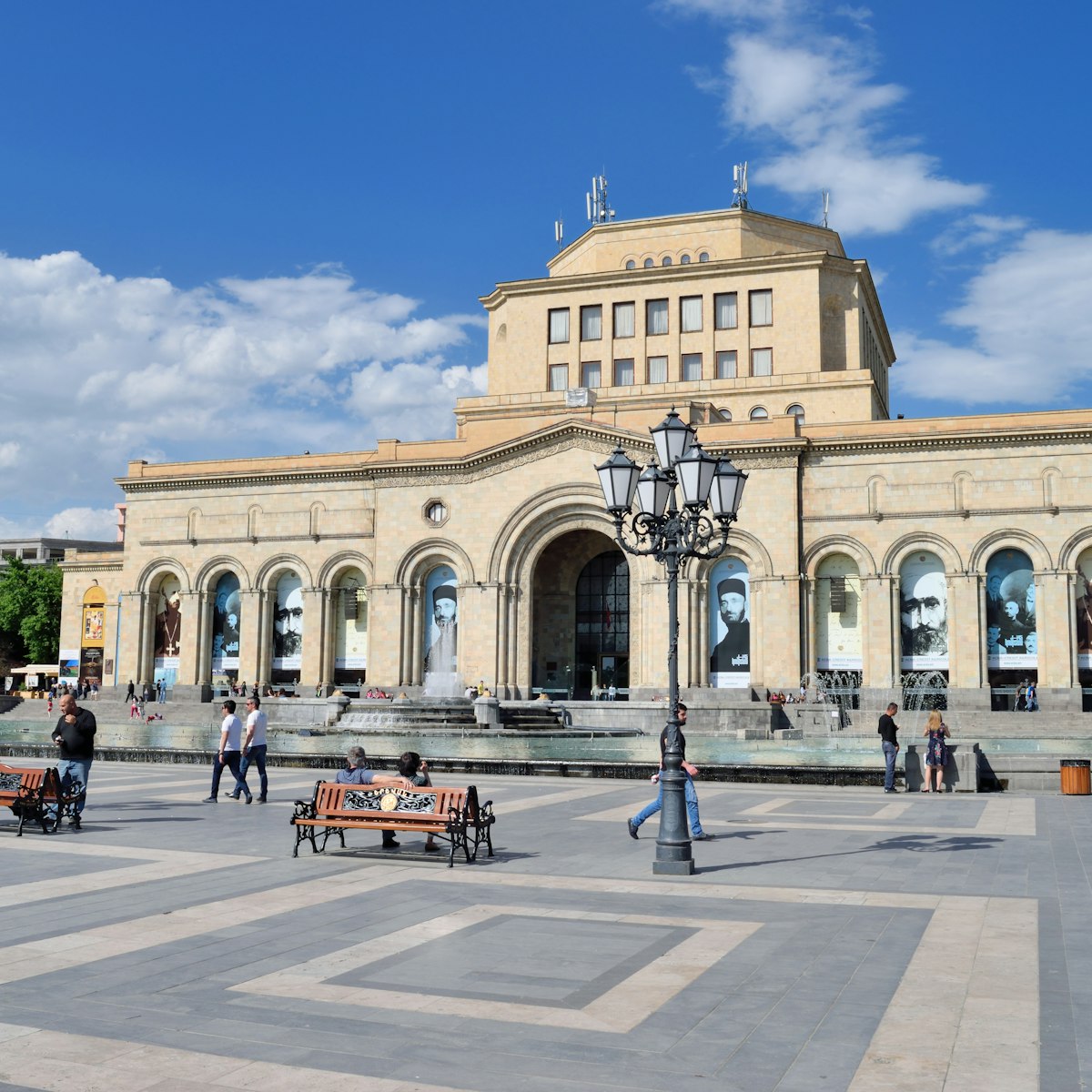
Yerevan
Its simply extraordinary collection of Bronze Age artefacts make this museum Armenia's pre-eminent cultural institution and an essential stop on every…

Armenia
Founded by Bishop Hovhannes in 1205 and sensitively renovated in the 1990s, Noravank (New Monastery) is one of the most spectacular sites in Armenia and…
Garni & Geghard
Built by Armenia’s King Trdat I in the 1st century AD, this Hellenic-style temple set on the edge of a gorge overlooking the Azat River was dedicated to…
Armenia
Dug into volcanic sandstone on the slopes of Khor Dzor (Deep Gorge), the village of Old Khndzoresk was inhabited as far back as the 13th century. By the…
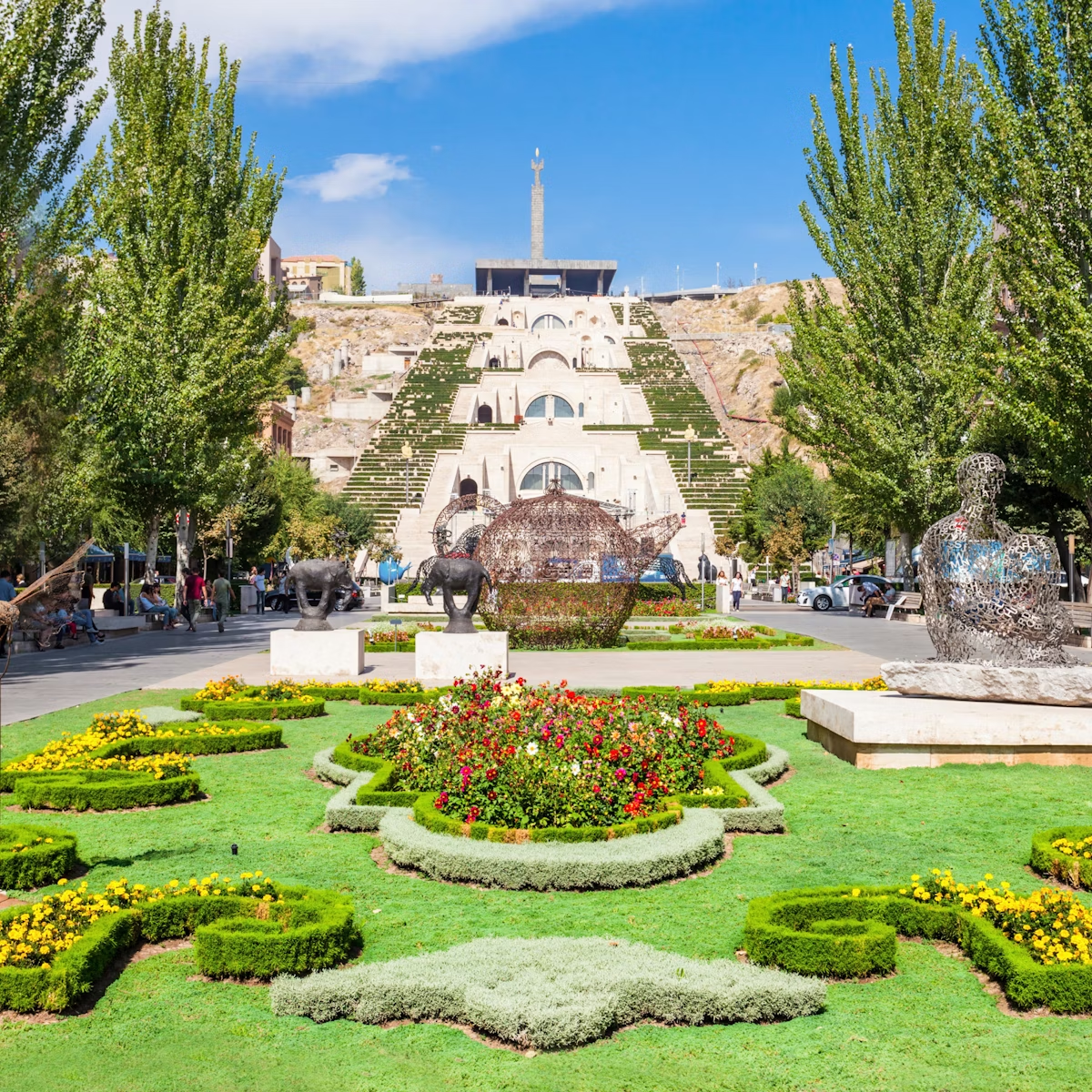
Yerevan
Housed in a vast flight of stone steps known as the Cascade, this arts centre is one of the city's major cultural attractions. Originally conceived in the…
Armenia
Located 32km south of Yerevan at the foot of Mt Ararat, Khor Virap has been repeatedly rebuilt since the 5th century. Legend says the pagan King Trdat III…
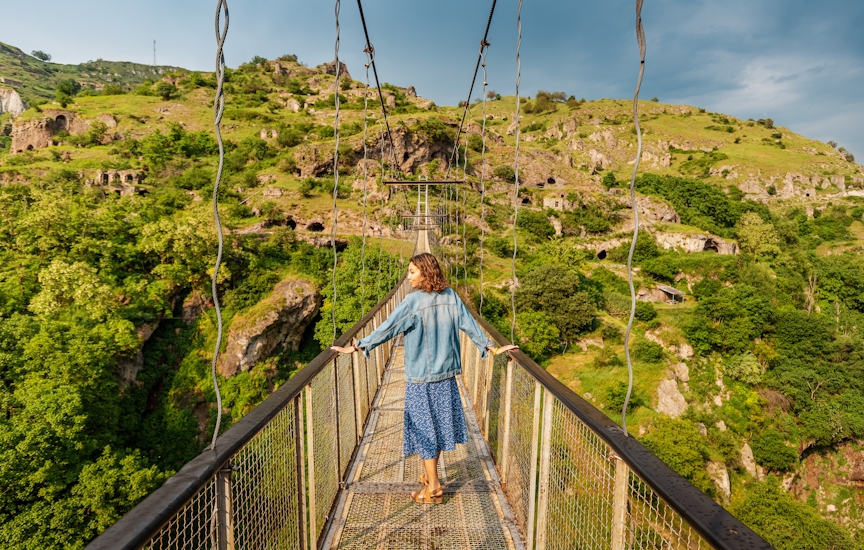
Filter by interest:


Nov 8, 2019 • 2 min read
Apr 4, 2017 • 2 min read
in partnership with getyourguide
Get to the heart of Armenia with one of our in-depth, award-winning guidebooks, covering maps, itineraries, and expert guidance.