Oct 29, 20255 min read
How to experience tango in Buenos AiresJun 30, 2025
8 MIN READ

Writer
Writer
Buenos Aires is an eclectic city with a long history of cultural exchange rooted in local traditions and European influences.
Beyond the chaotic and architecturally beautiful downtown are quiet, coffee shop-filled residential neighborhoods, the perfect places to spend the day wandering with friends, maybe stopping for an aperitif or a glass of wine.
From classical French-inspired architecture to a mix of Spanish and Italian culinary traditions, here's our pick of the best experiences in Argentina’s capital.
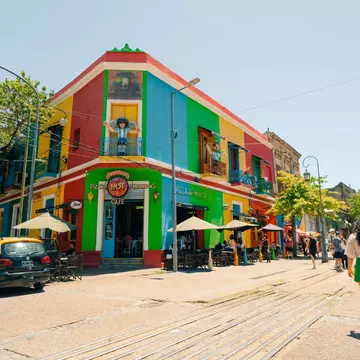
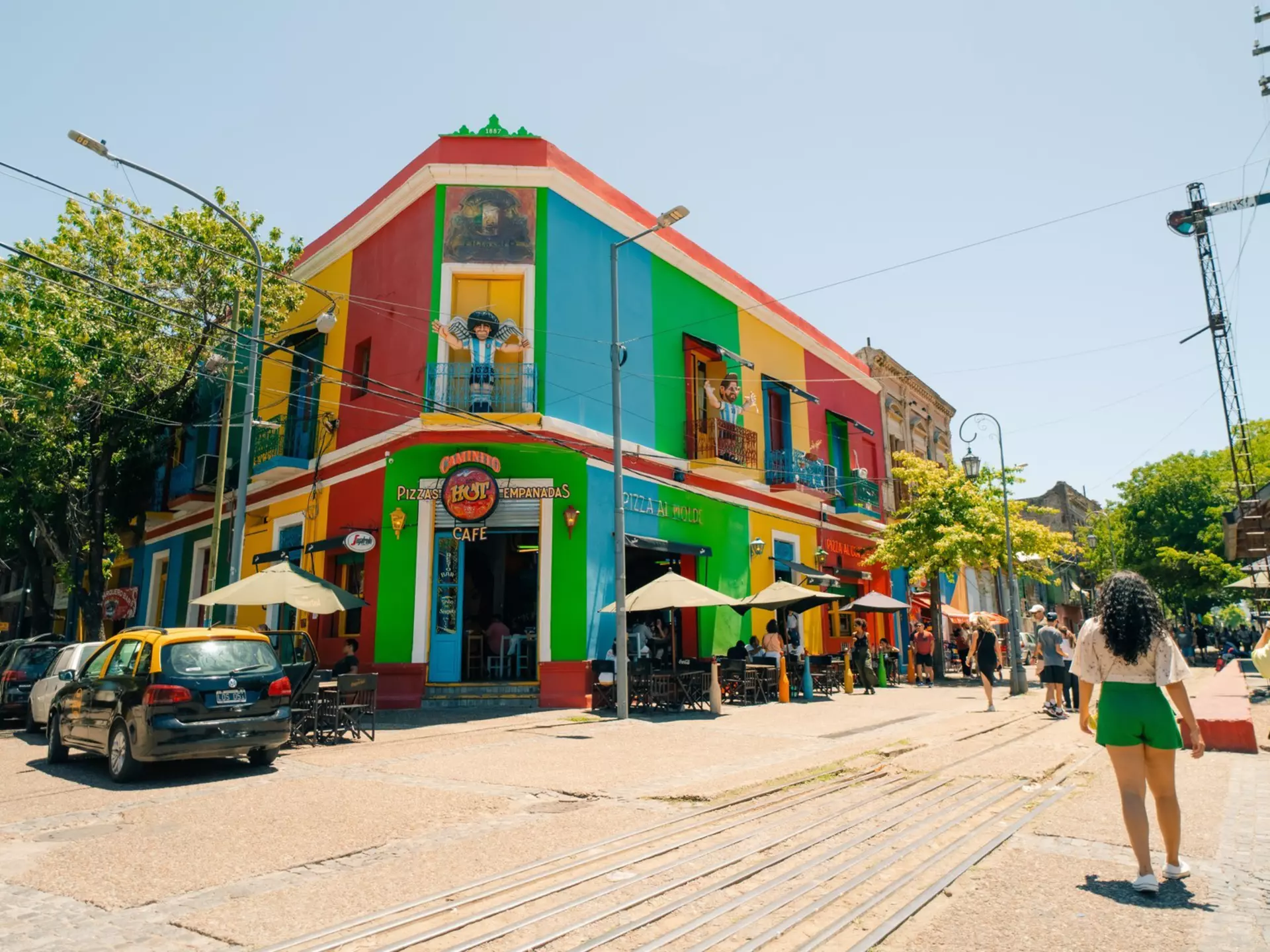
Touristy for all the right reasons, El Caminito is definitely one of the most picturesque parts of the city. Located in the heart of a historic working-class neighborhood, it became a time capsule for early 20th-century life in the city.
Take a picture next to the old sheet-metal houses painted in bright colors, inspired by the works of painter Benito Quinquela Martín, while you enjoy street performers dancing the tango.
This is also a good place to appreciate the arts, as you have two essential museums just a few steps away from each other. The Quinquela Martín Museum displays the works of the eponymous painter, who depicted the shipyards and port life in the 1920s.
Don't miss checking out the Fundación Proa Museum, one of the best contemporary art establishments in the city.
Detour: Head to the rooftop terrace of Quinquela Martin Museum for a great view of the surrounding area and the southernmost part of Buenos Aires.
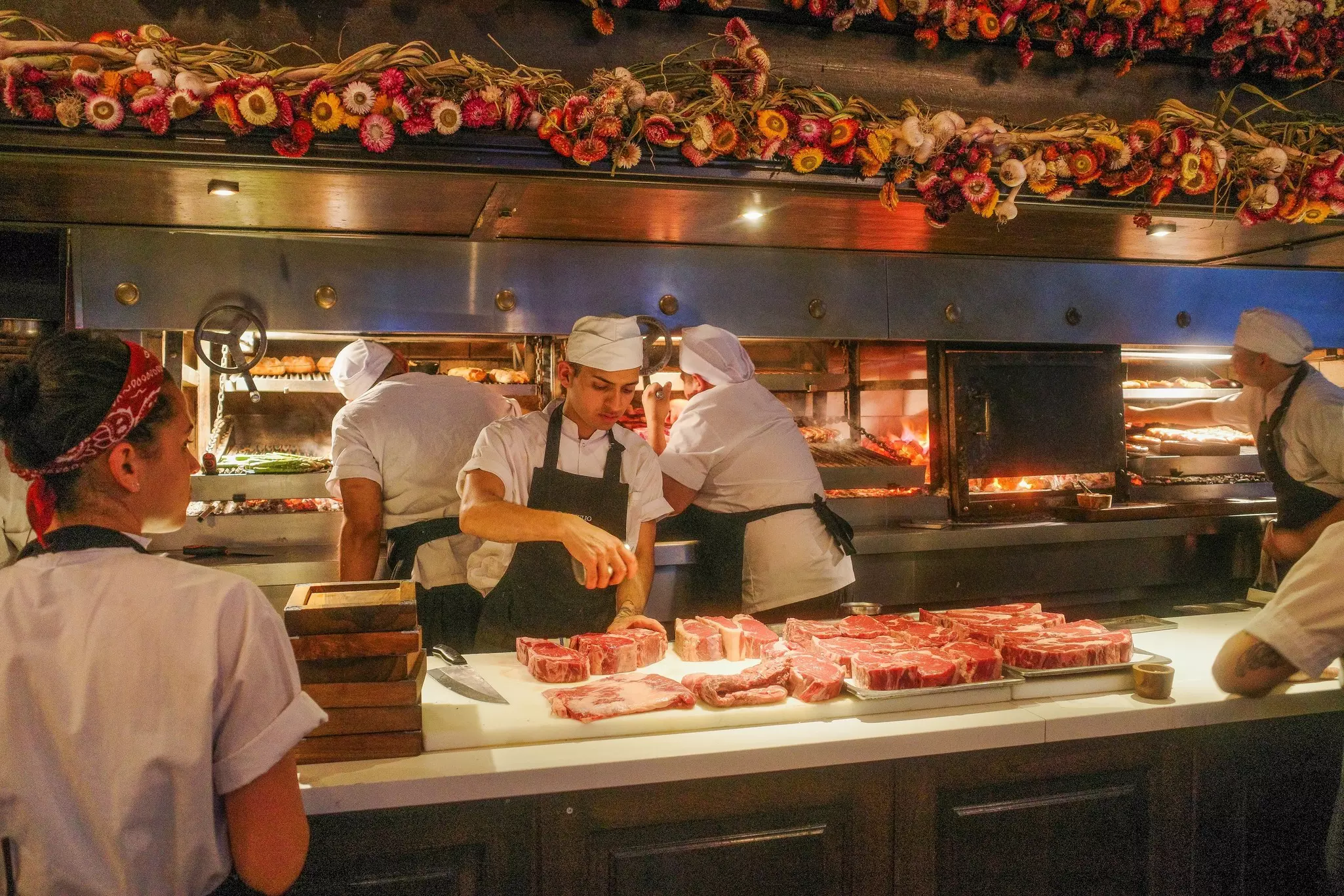
Argentina consistently ranks high on the meat consumption per capita charts, and there's good reason for it.
Cattle here are raised on the open, fertile grasslands of the Pampas, where free-range practices produce beef that's exceptionally tender, flavorful, and an essential part of any visit to Buenos Aires.
Book a reservation at Don Julio, a pricey but incredible place for a meaty introduction to this culinary tradition. La Cabrera is another excellent option if you are looking to dine on traditional Argentinian meat.
However, if you want a less expensive and more genuine porteño (resident of BA) experience, El Ferroviario and its massive portions are an excellent option.
No matter where you go, you should always pair your steak experience with a glass of Malbec, the renowned Argentinian variety.
Local tip: Don't miss out on the Ojo de Bife, one of the tastiest cuts of meat you can try. And if you are a cheese lover, have a provoleta, a grilled provolone disc with olive oil and a delicious smoky flavor.
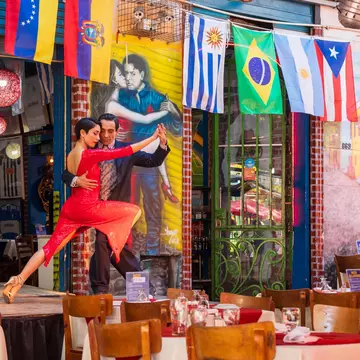
As one of Buenos Aires' most iconic cultural expressions, tango attracts many visitors. Many big, fancy tango shows are created to accommodate tourists' needs. If you want to see one of these shows, Bar Sur is a very intimate option that lets you stay oh-so-close to the professional dancers.
If you want to a more genuine experience, visit local milongas (dance schools), where the tango scene is still alive. Take a beginner lesson in La Viruta and then stay for a night of dancing.
Tango nights take place on Wednesdays, Fridays and Sundays, with lessons included in the general admission and starting around 10pm.
If you don't have a partner, don't worry; the custom is to ask strangers for a dance, so you'll likely be invited to participate (or you can ask someone for a dance, too!).
Detour: El Boliche de Roberto, a small, timeworn bar, features local tango musicians who play old classics for whoever can crawl into its tiny but truly authentic space.
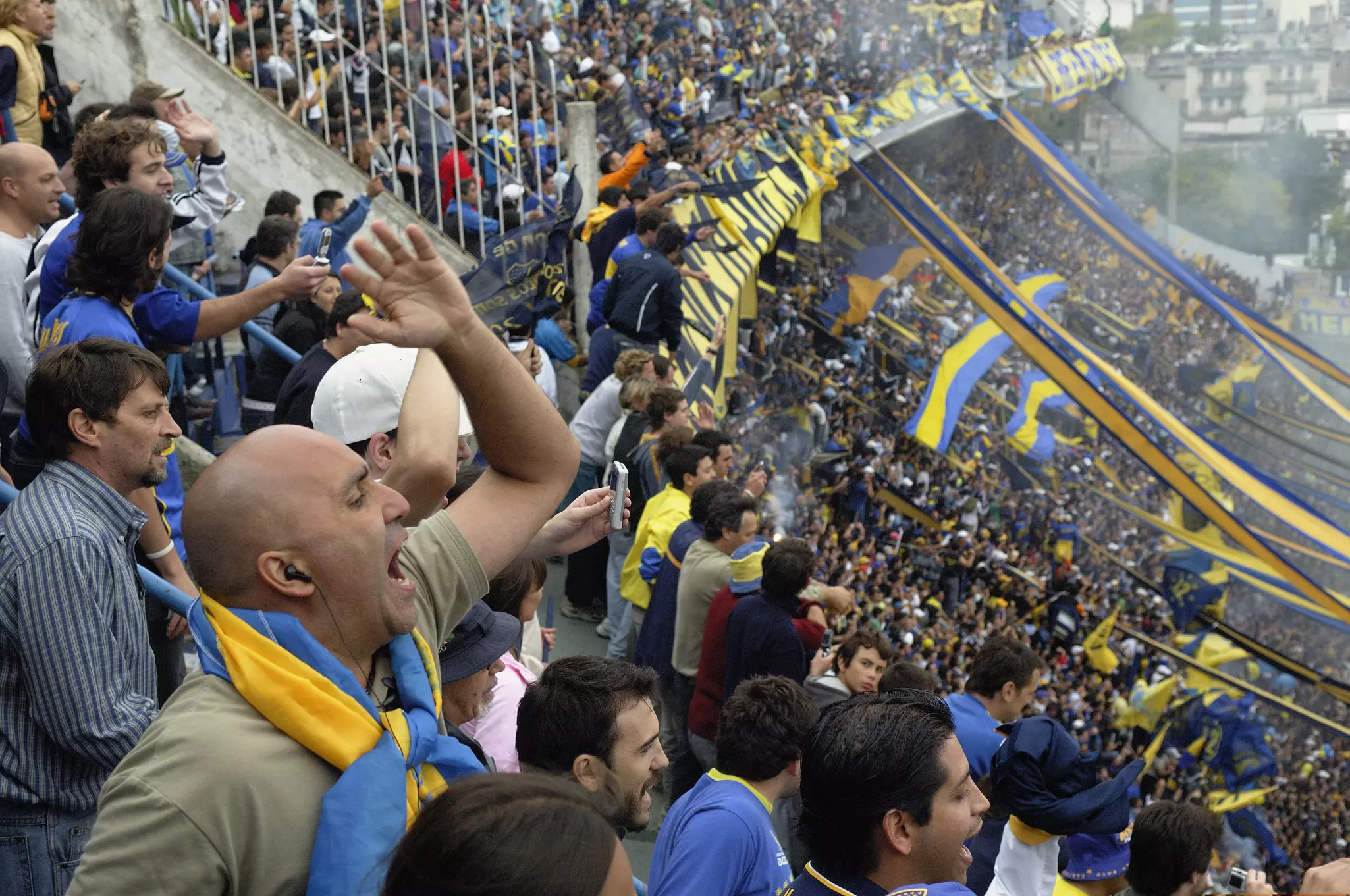
Fútbol (soccer) is Argentina's greatest passion and in Buenos Aires, the proof is in the numbers: the city is home to 19 stadiums dedicated to the sport.
What is the best way to experience that passion? Feel the tremble of the stands beneath your feet as fans jump and chant in unison, cheering on their team.
Boca Juniors is the country's most popular club, and its home stadium, La Bombonera, is one of the most iconic and intense in the world. Across the city, their longtime rivals, River Plate, play at El Monumental, the largest stadium in the country.
Planning tip: Most football games sell out quickly. We recommend booking tickets in advance through a travel agent.
Porteños take their pizza seriously. The waves of Italian immigration to Buenos Aires and local culture gave rise to a new pizza style: pizza al molde (deep-pan pizza). With its thick crust and generous cheese, a slice of pizza al molde is nearly impossible to eat with your hands.
Grab a slice at Güerrín, the most famous joint in town, and enjoy its excessive, savory glory. Also, don't miss out on El Cuartito, whose sports and tango memorabilia-covered walls and shouted orders feel like 1950s Naples-meets-chaos.
Local tip: Don't leave without trying a slice of fugazzeta, a cheese-stuffed, onion-topped classic with no tomato sauce. It's Buenos Aires' signature style and an essential experience for any first-time visitor.
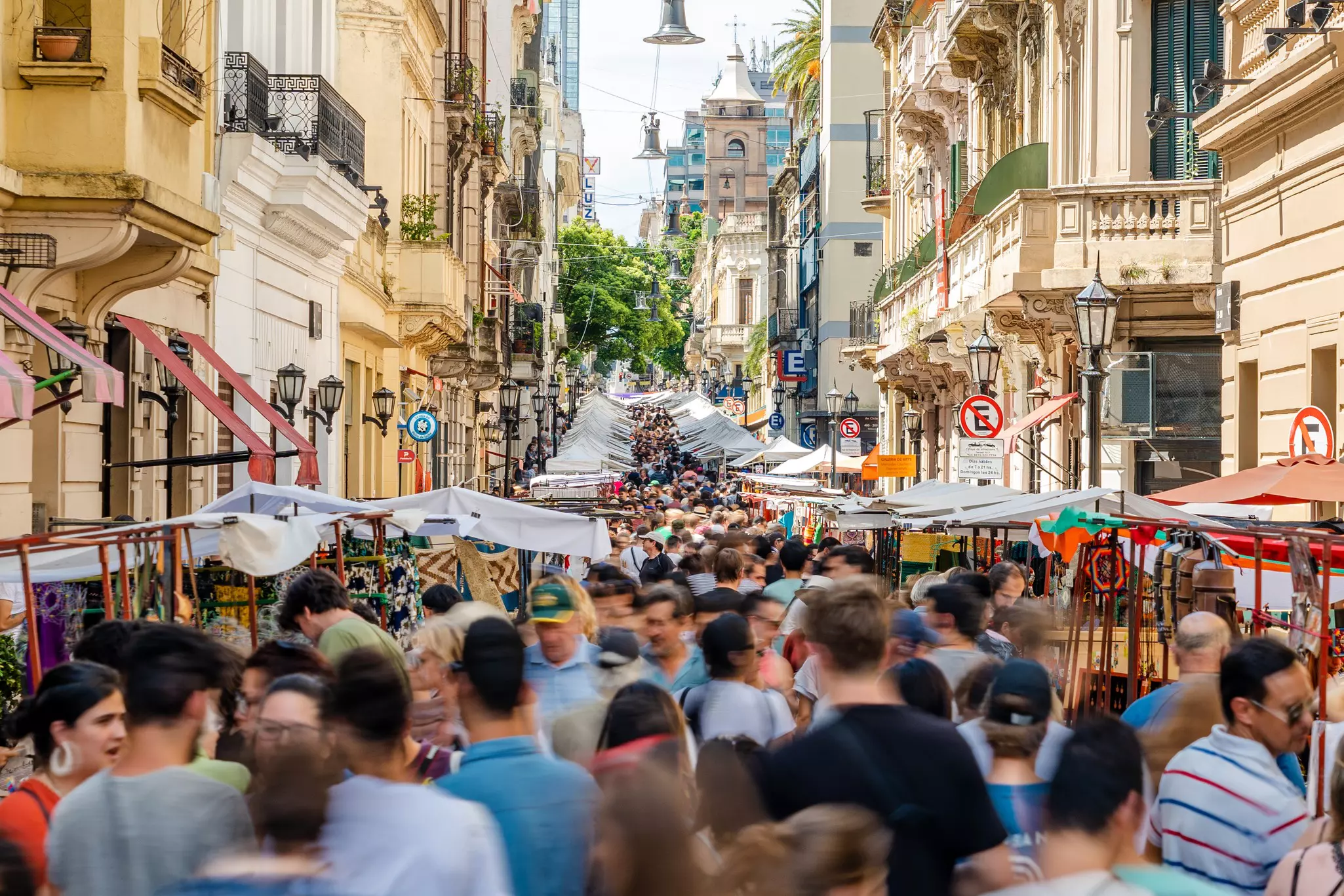
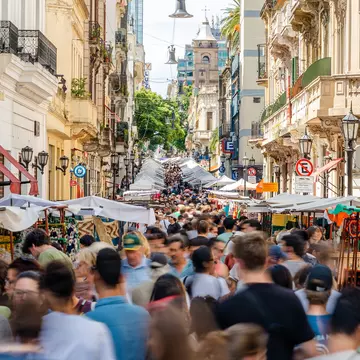
Visit Plaza Dorrego, a square in the San Telmo neighborhood (the oldest part of town) surrounded by antique and coffee shops that, on weekends, turn into a full-blown fair that spans all along Defensa St and attracts a considerable crowd.
Many artisans and street performers animate the scene, with tango dancers and musicians taking center stage.
The antique stands are packed with cool finds – old cameras, silver cutlery, vinyls and odd little collectibles – giving you a peek into Argentina’s history. Consider visiting during work days if you are looking for a quieter experience.
Grab a bite at San Telmo Market, which used to be the city's old central market and now hosts everything from antique and vinyl dealers to cheesemongers and a growing food court where you'll find classic Buenos Aires dishes alongside a fusion of new culinary trends.
If you are in the mood for history, step into El Zanjón de Granados, a maze-like 19th-century group of tunnels with high archaeological value that may be one of the few last remains of early Buenos Aires.
Detour: Although San Telmo's main artery is Defensa St, be sure to explore its secondary streets too. The neighborhood has many interesting bookstores, coffee shops and restaurants tucked away.
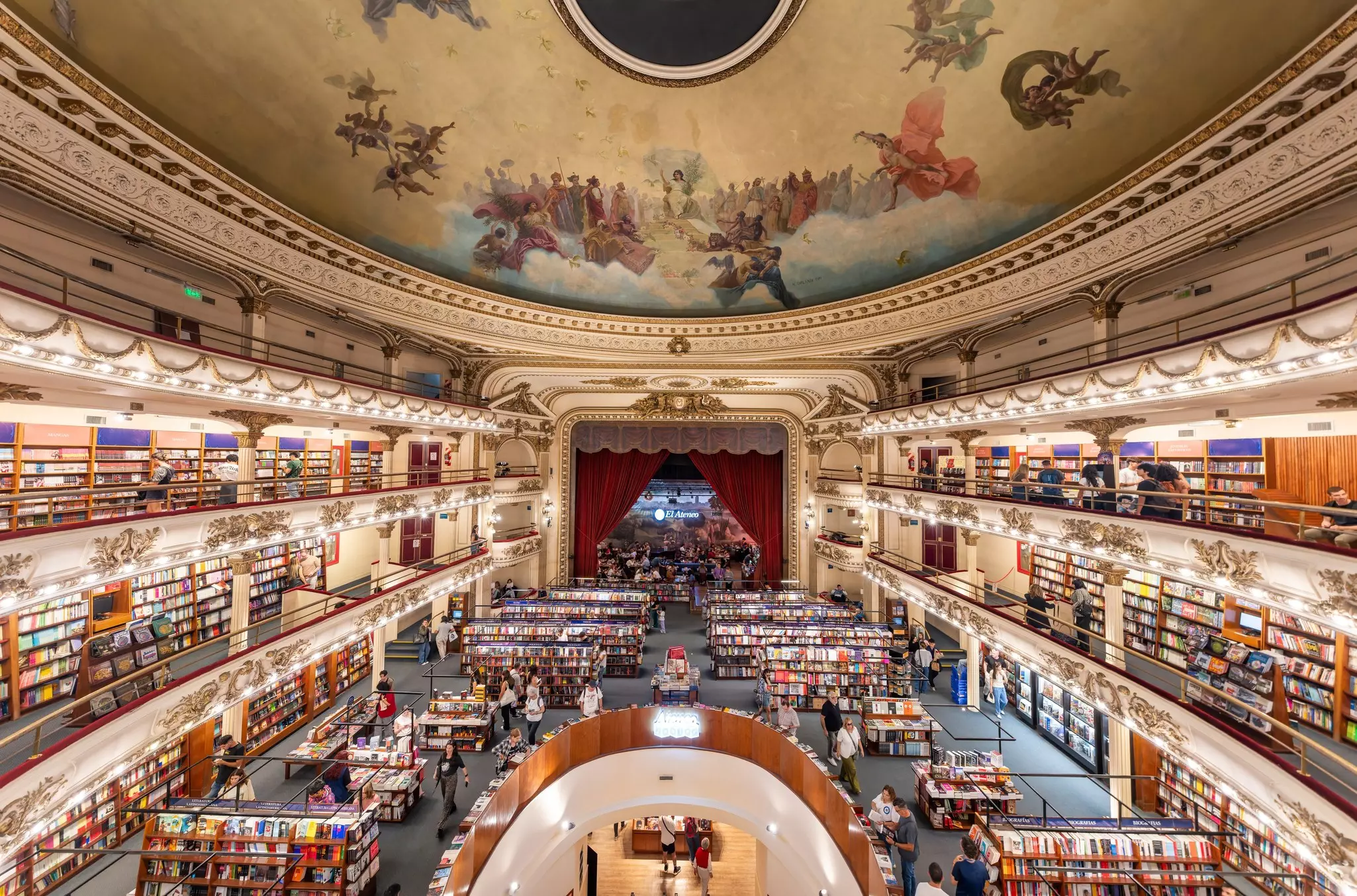
Wander through the aisles of El Ateneo Grand Splendid, regarded as one of the world's most beautiful bookstores.
Housed in an opulent theater built in 1919, it was remodeled in 2000, adapting spaces like the lobby and all the seating areas (including the balcony boxes) into book stands. Even the old ticket offices now work as the checkout area.
The former stage retains its original curtain and was turned into a cafe where visitors can read a book while enjoying the impressive view of the old theater.
Find the English section and take a book by an Argentinian literature master, such as Jorge Luis Borges, Julio Cortázar or Adolfo Bioy Casares, and settle down for a read.
Pay a visit to Feria de Mataderos and catch a glimpse of Argentinian rural culture. Every Sunday afternoon, a piece of the Mataderos neighborhood transforms into a festival celebrating gaucho heritage.
Bathed in the tempting scent of grilled meat and deep-fried empanadas, folk musicians from all across the country gather to perform while hundreds of dancers take to the street.
There’s plenty of room for artisans selling authentic regional products, from handcrafted leather goods and traditional instruments like charangos, sikus, and bombo legüero, to culinary specialties like dulce de leche and handmade alfajores (cookie-like sandwiches).
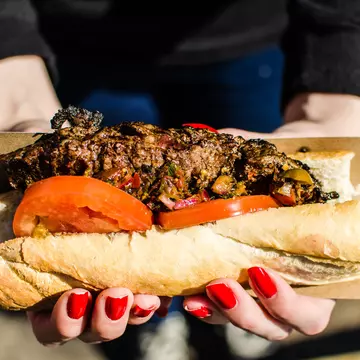
Enjoy a round of traditional mates (tea-like drinks) while gauchos perform various skill demonstrations dressed in traditional attire, or try the Argentine trademark sausage sandwich: the choripán.
Local tip: If you're trying a choripán, dress it with chimichurri, a zesty, herb-packed sauce made with parsley, garlic, red pepper, oregano, olive oil and vinegar. It's essential.
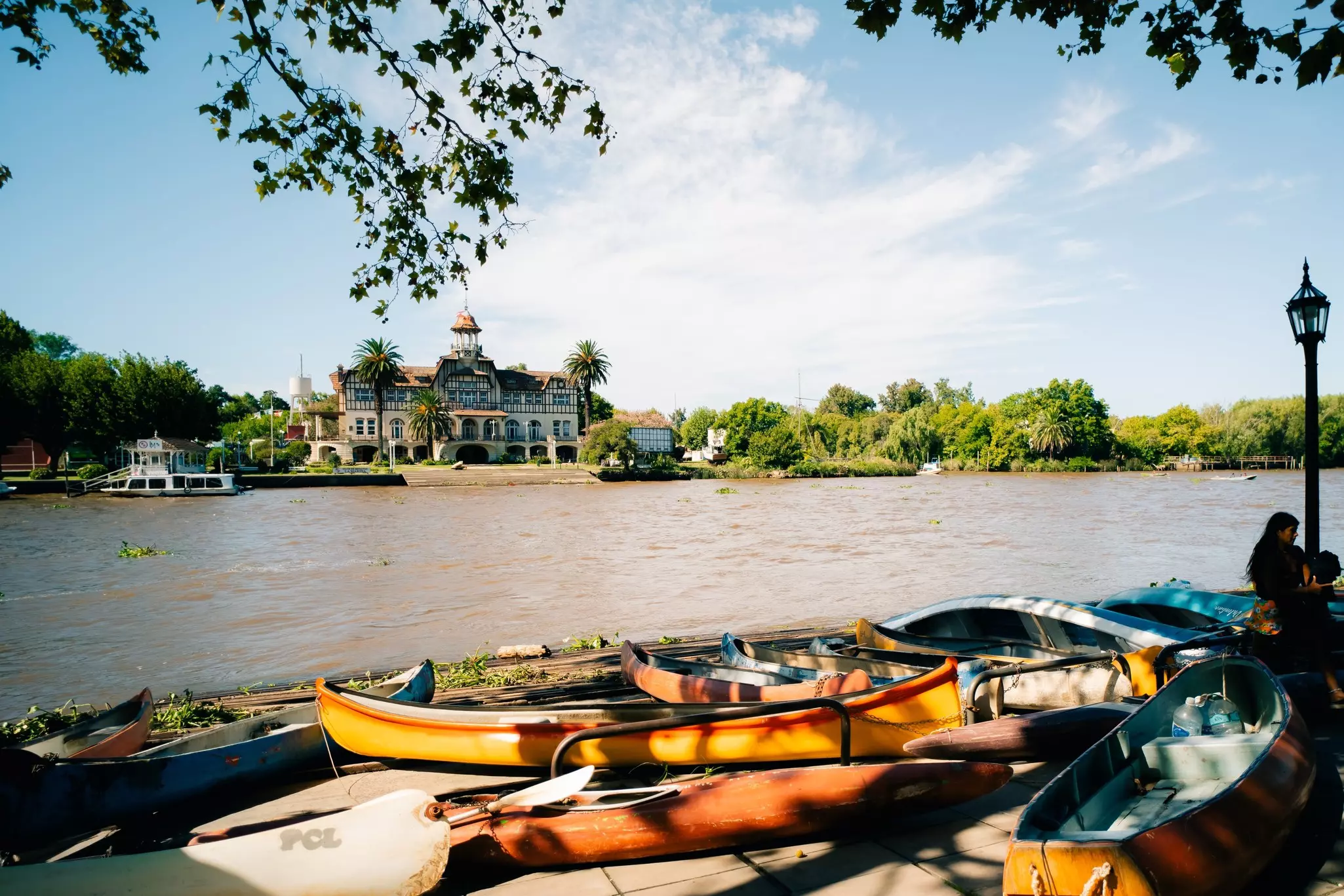
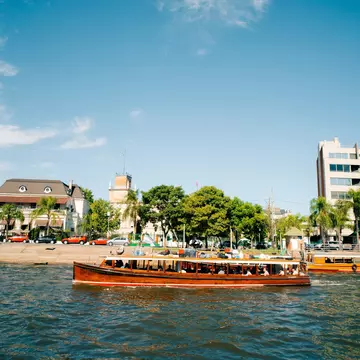
Embark on a day adventure and visit Tigre, the classic day trip for porteños. Just outside Buenos Aires, where the Paraná and Uruguay Rivers meet the Río de la Plata, lies Tigre, a peaceful delta of wooden stilt houses and winding waterways.
A day in Tigre typically includes a catamaran ride through the streams, calmly taking in the scenery and appreciating the region's native flora. Boats run every 30 minutes, and you can buy tickets online ahead of time or right at the Estación Fluvial Tigre.
Pick up a souvenir and grab a bite to eat at the artisan fair at Puerto de Frutos and make a visit to the Tigre Art Museum.
It's housed in a grand building that blends neoclassical architecture with French influences and hosts works from grand Argentine masters like Eduardo Sívori, Antonio Berni and Raúl Soldi.
Wander through its galleries and enjoy the view of the Luján river from its majestic belle époque-style backyard.
From February to December, you can book seats for an opera or ballet performance at Teatro Colón and experience its marvelous world-class acoustics. Built in 1908, the building combines architectural influences from Italy and France.
You can book a tour to discover its hidden secrets, like its working shop, where every scenography is made with top craftsmanship. Walk through its marble staircases and admire its wonderful stained-glass windows.
Local tip: Book less expensive tickets for the standing section at the top of the theater. You’ll be far from the action, but the acoustics and the look are always amazing.
Explore related stories